Some everyday foods found in many kitchens can sometimes leave people feeling bloated after a meal.
A new discussion is highlighting seven common food categories that may be linked to belly bloating. The list includes familiar ingredients and drinks that many people regularly use at home, from beans and vegetables to grains, fruits, and carbonated beverages.
The focus is not on avoiding these foods completely, but on understanding that different people may have different experiences with the meals they prepare and enjoy.
Why this matters for everyday readers
Food is part of daily life, whether it is a quick meal during a busy day or a recipe shared with family and friends. When certain ingredients are used often, knowing which foods are commonly associated with bloating can help people pay closer attention to their own eating experiences.
For home cooks, this information offers another way to think about meal choices. Different ingredients can play different roles in recipes, and personal experiences with food can vary.
The following seven foods and food groups are highlighted as possible contributors to belly bloating.
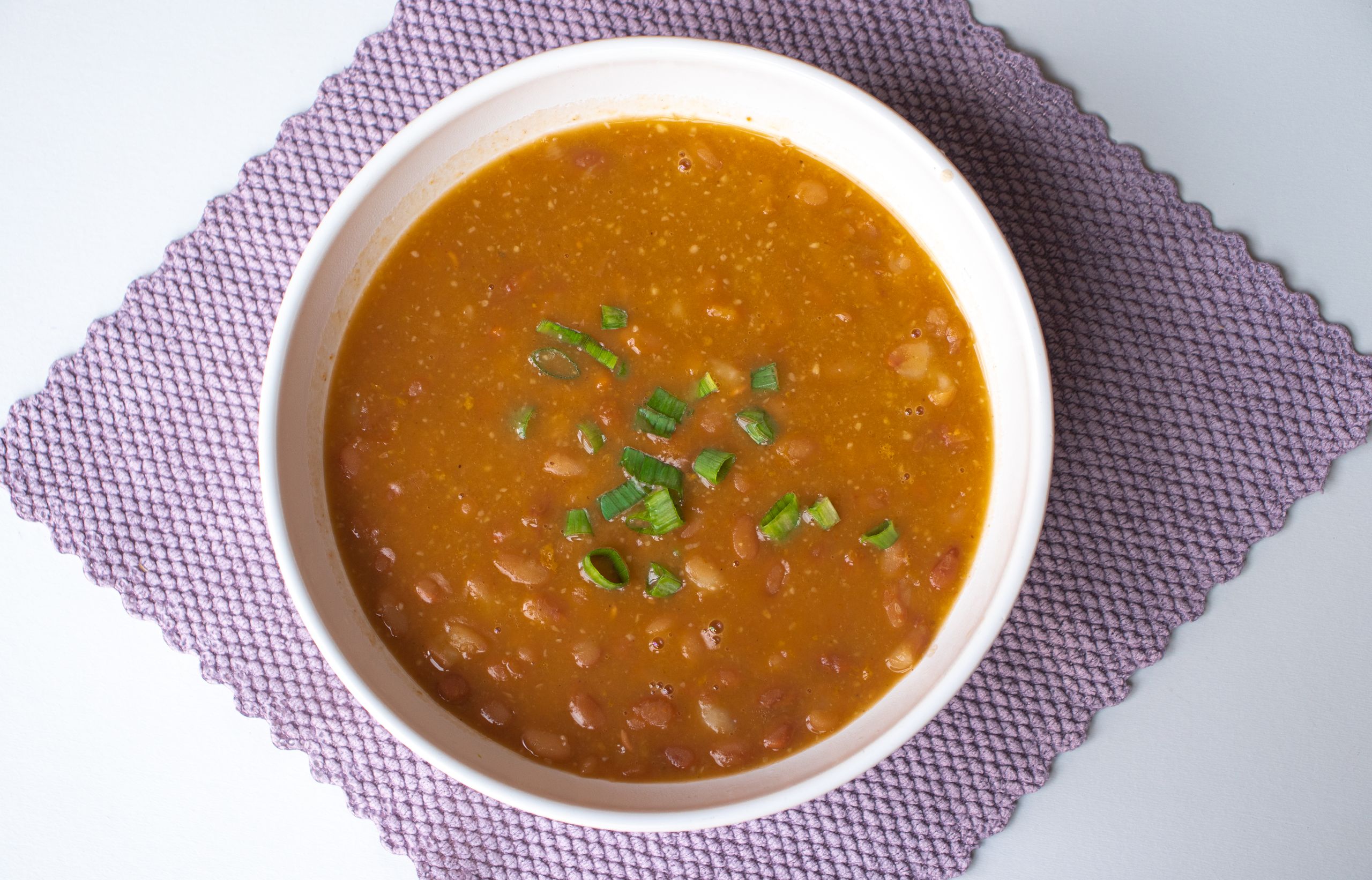
Beans and lentils
Image credit:by IARA MELO/pexels
Beans and lentils are among the foods listed as potentially causing belly bloating. These ingredients are common additions to many meals and are used in a variety of recipes.
If you notice bloating after certain meals, beans and lentils are one category to consider when looking at food patterns.
Cruciferous vegetables
Cruciferous vegetables are another group included on the list of foods that can cause belly bloating.
These vegetables are often included in home cooking, making them a familiar part of many meal plans. People may have different experiences when they include these foods in their dishes.
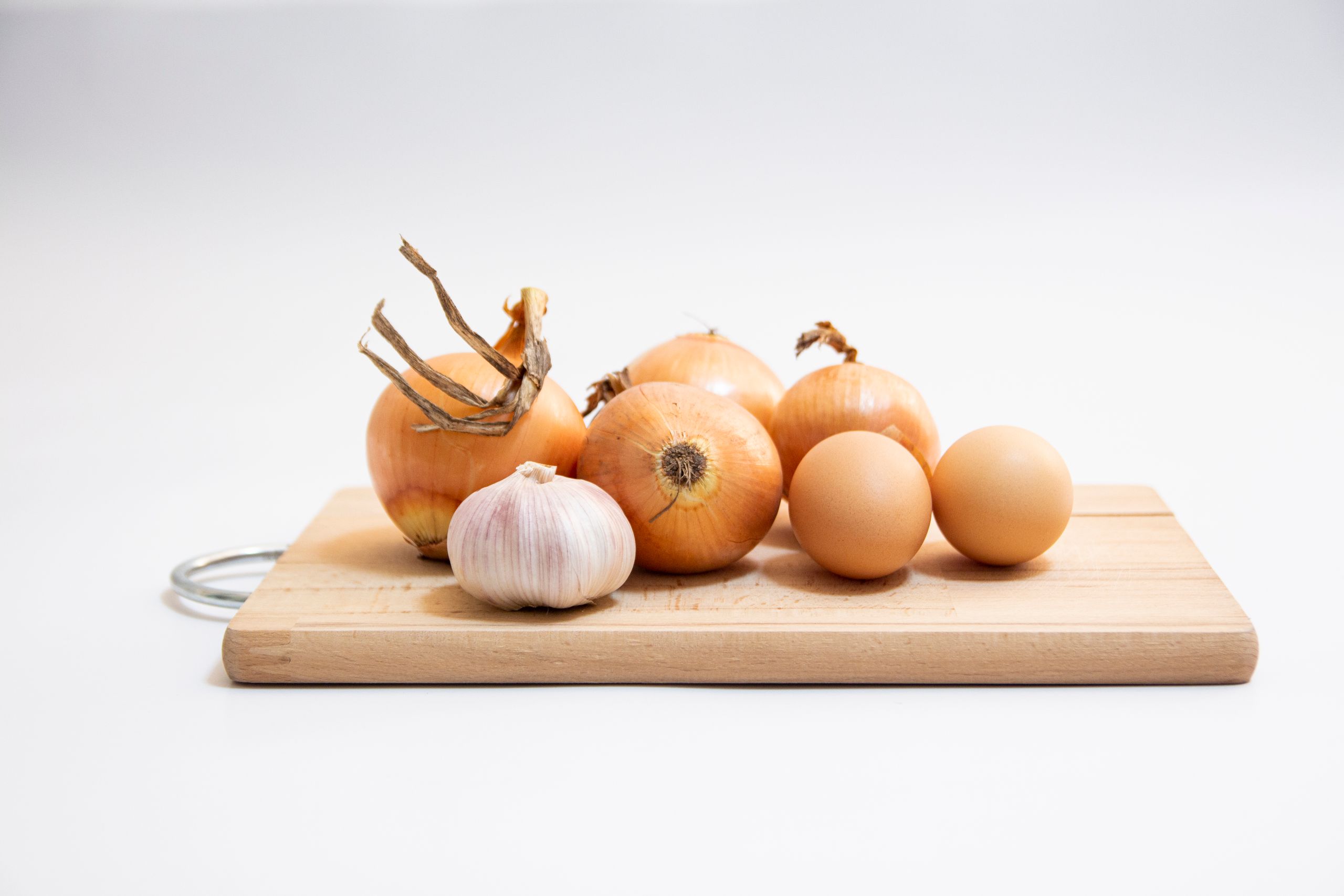
Onions and garlic
Image credit: by Paul Seling/pexels
Onions and garlic are widely used ingredients that add flavor to many recipes. They are also among the foods highlighted as possible causes of belly bloating.
Because these ingredients appear in many different types of meals, some people may consider them when noticing changes after eating.
Dairy products
Dairy products are also included among the foods that may cause belly bloating.
Many everyday meals and recipes include dairy products, so this category may matter for people paying attention to how different foods fit into their routines.
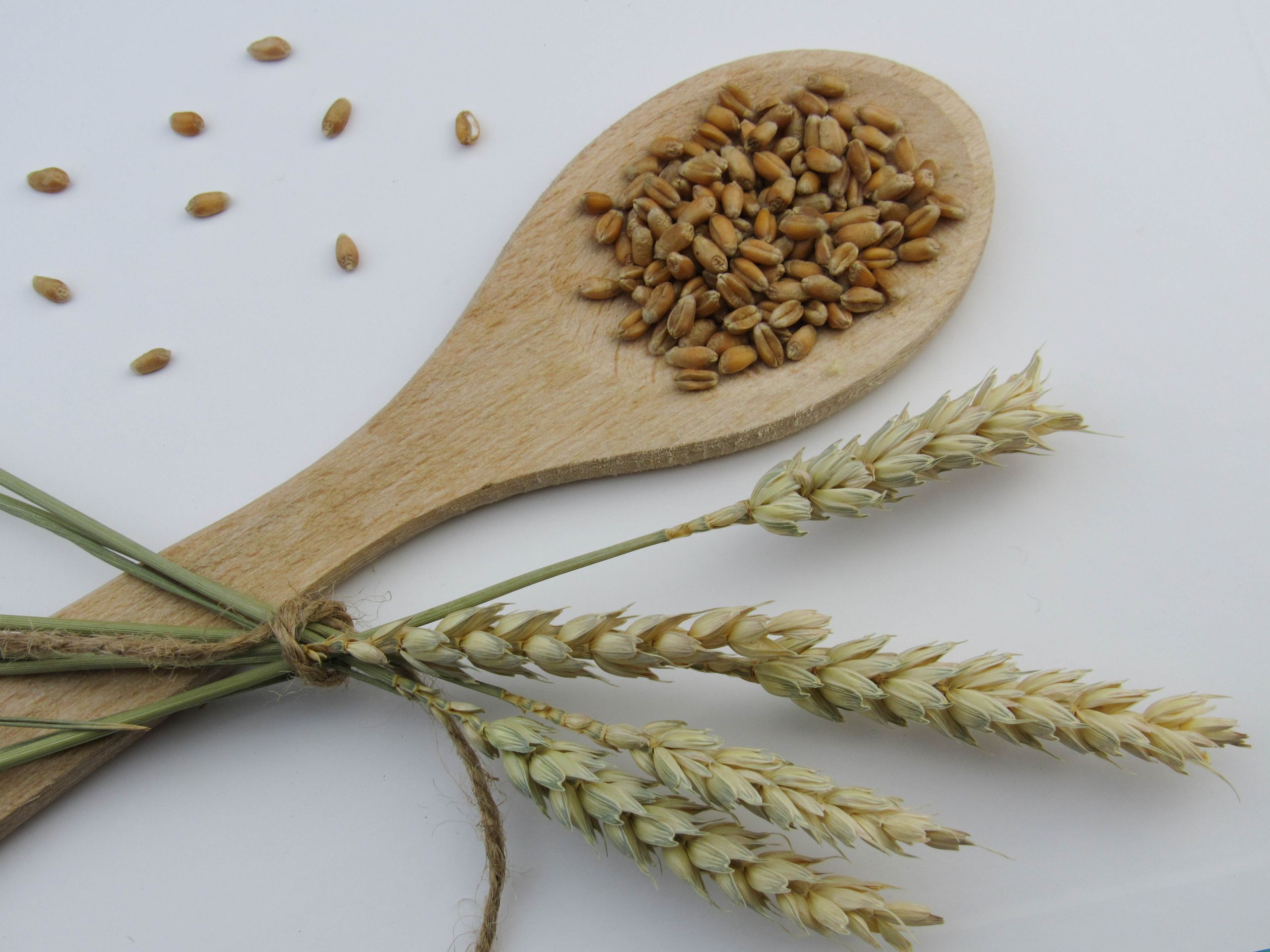
Wheat, rye, and barley
Image credit:by Karyna Panchenko/pexels
Wheat, rye, and barley are listed as another group that may be linked with belly bloating.
These grains are found in many common foods and can be part of regular meal choices. For those tracking their food experiences, these ingredients are another category to keep in mind.
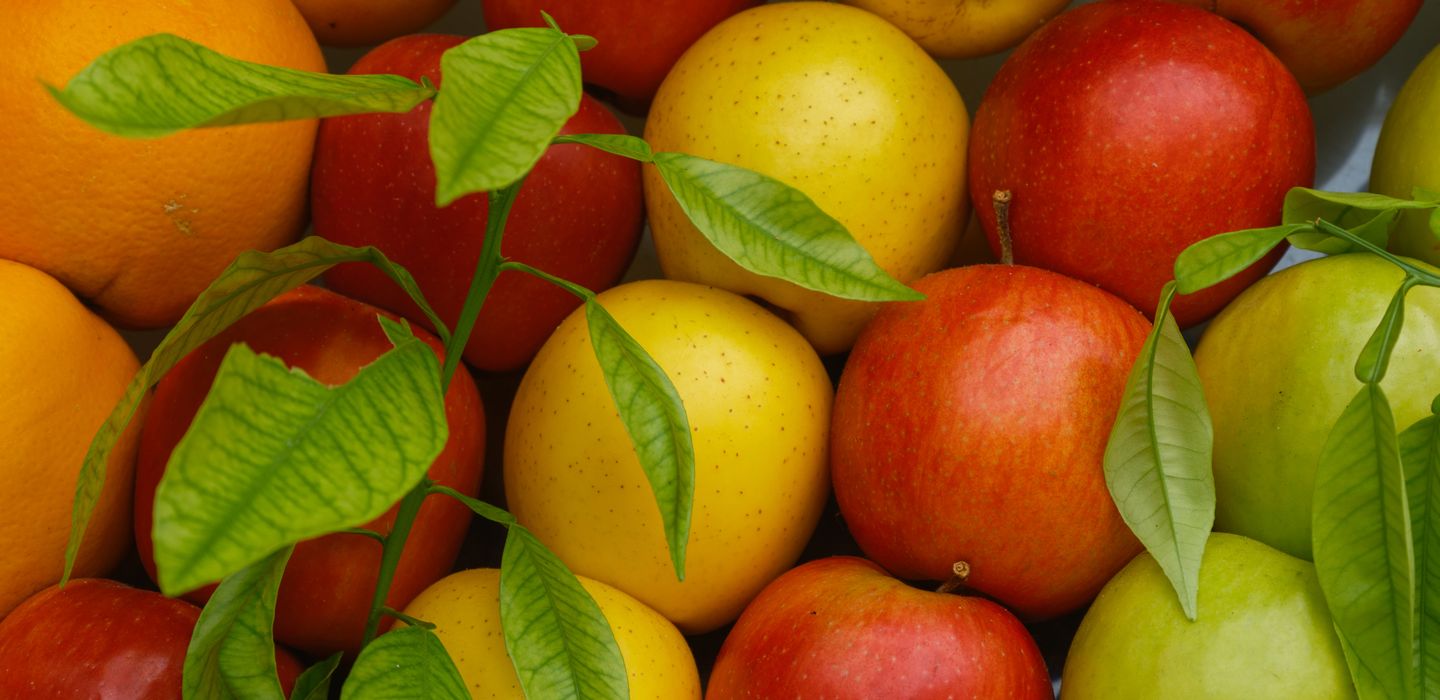
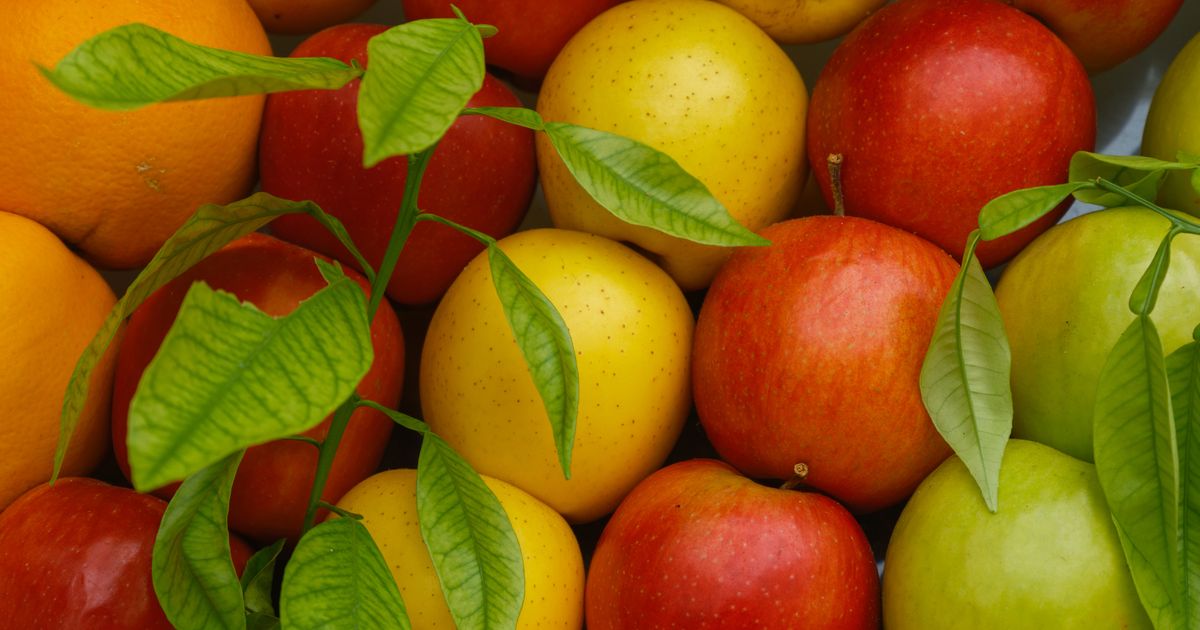
Certain fruits, especially apples and pears
The discussion also includes some fruits, with apples and pears specifically highlighted.
While fruits are a familiar part of many meals, these examples are among the foods that may cause belly bloating for some people. Paying attention to personal experiences can help people better understand their own food preferences.
Carbonated drinks
Image credit: by IARA MELO/pexels
Carbonated drinks are the final item on the list of foods and beverages that may contribute to belly bloating.
These drinks are a common choice for many people, and some may notice a connection between carbonated beverages and feelings of bloating.
Keeping food conversations personal
The foods listed here are common parts of many kitchens, and individual experiences with them can differ. A meal that feels comfortable for one person may not feel the same for another.
For home cooks, the conversation provides an opportunity to look more closely at ingredients, recipes, and personal food routines. Understanding which foods may be connected with bloating can help readers make more informed choices about the meals they prepare.