

The post 5 Small Things Americans Are Doing to Make Their Weeknights Feel Less Rushed first appeared on Crafting Your Home.
Weeknights have a way of feeling like a countdown clock: home from work, dinner needs to happen, someone needs to be somewhere, and somehow, it’s already 8 p.m. before anyone’s actually sat down.
According to psychologists and national survey data on family routines, a lot of that rushed feeling isn’t really about time itself. It’s about decision fatigue, mismatched expectations, and a lack of small systems that could otherwise make evenings feel less like a sprint. Here are five specific, low effort shifts more people are making to change that.
Deciding on Dinner Once a Week, Not Once a Day
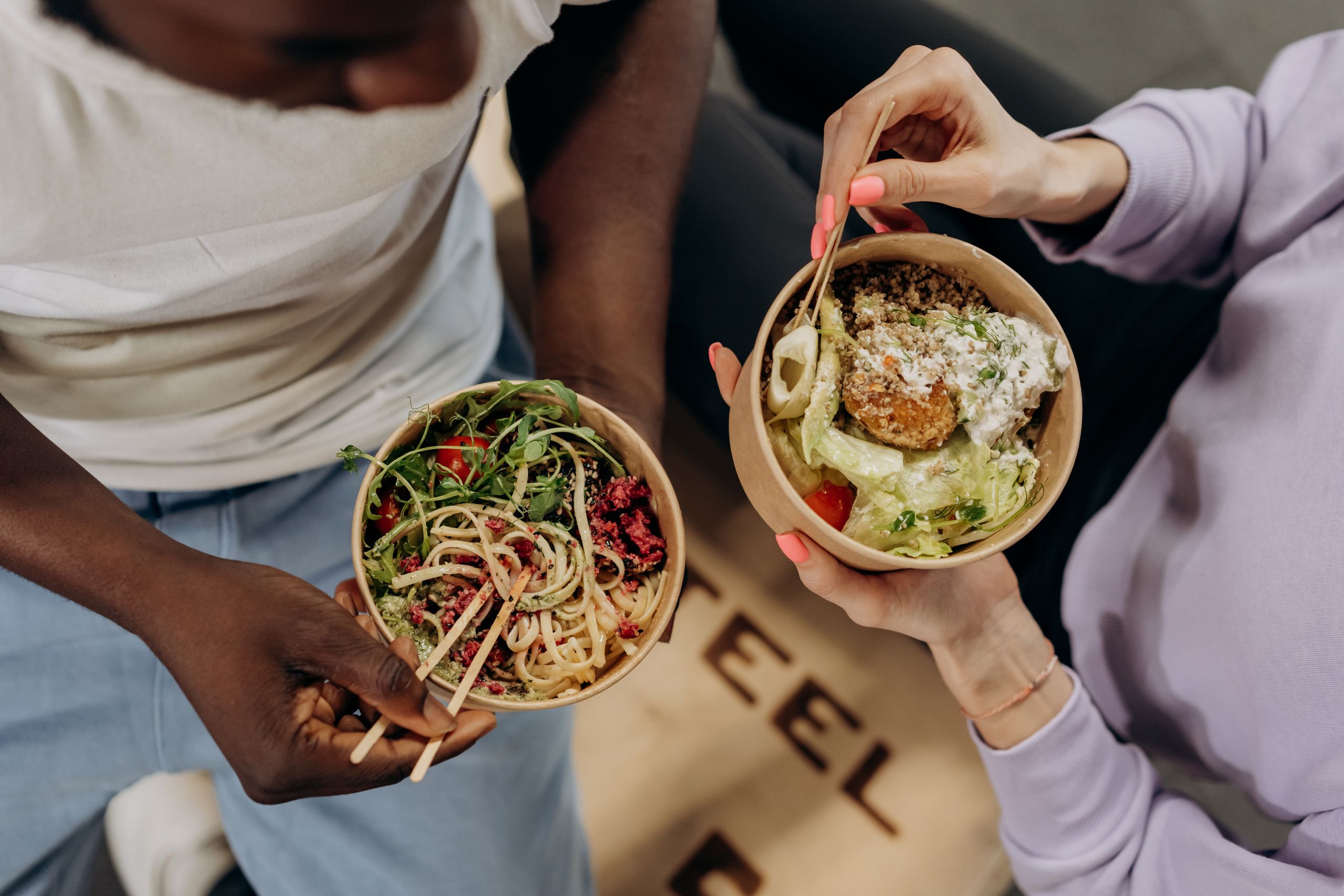
One of the biggest sources of weeknight stress isn’t cooking; it’s the deciding. According to a July 2022 survey from the Food Industry Association, most shoppers now plan their meals, largely to save time and reduce decision fatigue on busy weeknights.
That shift from seven small daily decisions to one weekly decision removes what many families describe as the evening’s most stressful moment: the blank stare “what’s for dinner” question at 5:30, with an empty pantry and a hungry household. According to guidance from Home as We Make It, families who consistently eat together tend to plan all their meals for the week in one sitting, often with a coffee and a rough pantry inventory, which removes the biggest single source of weeknight friction before it even starts.
Setting an Intention Instead of Chasing Perfection
Dr. Molly Millwood, a licensed psychologist and author who writes about the modern pressures of parenting, tells Food Network that a lot of weeknight stress comes from unspoken, often unrealistic standards the idea that dinner needs to look a certain way to “count.”
Her advice is to clarify what the meal is actually for. “Think about the meaning of the cooking and the meal,” Millwood says. “What is it really about? Is it about nourishing our bodies, is it about connection, is it about sensory pleasure? If you can get clear on the purpose, then I think some of the perfectionism can fade away.” Once that intention is set, she notes. It stops mattering whether the meal is picture-perfect; being “good enough instead of striving to be perfect” becomes the actual goal.
Related: Before You Book a Hotel, Watch Out for These 10 Costly Surprises
Talking About Who’s Cooking Before the Week Starts
A recurring theme in family routine research is that much weeknight tension comes from unclear expectations, not the actual workload. Millwood recommends a simple fix: talk about the week ahead and loosely delegate cooking days in advance.
Without that conversation, she notes; cooking duties default to whoever usually handles it regardless of how their week is actually shaping up. A quick check-in about which nights are heavier for each person letting the household divide the load more realistically, rather than one person absorbing dinner duty by default every night.
Redefining What “Family Time” Actually Requires
Sitting down together for a full, cooked dinner every night sounds ideal, but for many households it’s simply not realistic on a given weeknight. According to Millwood, research on family togetherness points to something more flexible than people assume.
“If you think about the research on what a difference it makes when families sit down every night for a meal, we can be pretty confident that it isn’t the food; it’s togetherness,” she says. Her suggestion: carve out a shorter, dedicated window 20 minutes to talk over something to drink, for instance, rather than treating a full sit-down dinner as the only version of connection that counts. That reframes alone tend to lower the pressure around the evening considerably.
This also lines up with broader research on family meals. A 2022 American Heart Association survey found that 91% of parents noticed their families were less stressed when they shared meals. Still, the mechanism behind that benefit is the shared time itself, not any meal format.
Related: World’s Top 10 Safest Airlines to Fly in 2026
Building in Permission for “Good Enough” Nights

The most consistent theme across family routine research is flexibility. Millwood advises parents to expect fluctuation rather than fight it: some nights, cooking will feel manageable; other nights, it won’t, and that’s normal, not a failure.
“Give yourself permission to have normal fluctuations in your energy and motivation to do a meal,” she says. On harder nights, she suggests reaching for takeout, a frozen meal, or a pantry staple without guilt. Some families formalize this with a designated low-effort night each week leftovers, a simple pantry meal, whatever requires the least active decision-making specifically to break up the relentlessness of nightly cooking.
The Bigger Pattern
None of these five changes require more free time, a bigger kitchen, or better cooking skills. They’re mostly about removing unnecessary decisions and unspoken pressure from an already tight window of the day.
As Millwood’s research and broader survey data suggest, the goal was never really to produce a perfect weeknight meal. It’s about protecting a small, workable pocket of connection at the end of the day and making that pocket easier to reach.
Other Posts You Might Like
If you like what you just read, then subscribe to our newsletter and follow us on social media.


