
The post 7 Reasons Some Partners Become Controlling When They Fear Losing Someone first appeared on Crafting Your Home.
Fear of losing someone you deeply love is a powerful human emotion. When people care deeply about a relationship, it is natural to want reassurance, closeness, and security. However, for some individuals, that fear can become overwhelming and lead them to respond in unhealthy ways.
Instead of expressing their fears openly, some partners attempt to reduce their anxiety by controlling the person they love. This control may begin subtly through constant questions, excessive checking, jealousy, or pressure for reassurance. Over time, these behaviors can damage trust and emotional safety in the relationship.
Insecurity or fear does not automatically make someone controlling. Many people experience jealousy, anxiety, or past emotional wounds without trying to limit their partner’s freedom. The difference is how they handle those feelings. Healthy partners communicate their fears and respect boundaries, while unhealthy control attempts to manage personal anxiety by managing another person’s choices.
Fear of Abandonment or Being Left Behind

For some people, the fear of being abandoned feels extremely painful. They may carry deep beliefs that love is temporary, people leave, or they are not enough to be chosen.
These fears can develop from childhood experiences, previous relationships, or moments when they felt rejected or ignored. Because of these experiences, normal situations can feel threatening. A delayed text message, a partner spending time with friends, or a busy work schedule may be interpreted as signs that the relationship is in danger.
A person with abandonment fears may constantly seek reassurance. They might ask where their partner is, get upset when messages aren’t answered quickly, or feel hurt when their partner wants time alone.
The other partner may begin feeling responsible for managing someone else’s anxiety. They may stop seeing friends, avoid hobbies, or change their behavior just to prevent conflict.
A healthier approach is learning to express the fear directly. Instead of controlling, a person can say, “Sometimes I get anxious when we are apart, and I am working on understanding why.” Building self-confidence, maintaining personal interests, and developing emotional coping skills can reduce the need for constant reassurance.
Past Betrayal, Rejection, or Emotional Hurt
Previous emotional pain can influence how someone behaves in a new relationship. A person who has experienced cheating, abandonment, dishonesty, or repeated rejection may enter future relationships expecting the same thing to happen again.
Their mind may become focused on finding signs of danger, even when their current partner has done nothing wrong. The problem is that a new partner should not have to constantly prove innocence because of someone else’s actions.
This creates a painful cycle. The person being controlled may feel mistrusted and begin protecting their privacy. The controlling partner may then see that privacy as evidence that something is wrong.
Healing requires recognizing that past experiences influence emotions but do not define the present relationship. A person can acknowledge their wounds while still allowing a new partner the opportunity to build trust.
Low Self-Esteem and Insecurity
Many controlling behaviors come from deep insecurity. When someone doesn’t feel confident, they may struggle to believe their partner chooses them freely. Instead of thinking, “My partner loves me because they value me,” they may think, “My partner will leave when they find someone better.”
This insecurity can create jealousy and fear. A person may feel threatened by their partner’s friendships, appearance, career success, confidence, or independence.
Control may appear as criticism disguised as concern. They may criticize what their partner wears, question friendships, discourage personal goals, or make negative comments about achievements.
The solution is not for the other partner to become smaller. A healthy relationship does not require someone to reduce their happiness, confidence, or opportunities to make another person feel secure. The insecure person must build self-worth beyond the relationship.
Confusing Control With Love and Protection

Some people grow up believing that jealousy and possessiveness are signs of love. They may have learned that a partner who constantly checks on them, makes rules, or wants complete access to their life is simply showing care. However, protection and control are very different.
Healthy protection respects a person’s choices. It sounds like, “Let me know when you arrive safely.” Control sounds like, “You are not allowed to go there without me.” Healthy concern involves listening and respecting boundaries.
Control involves pressure, restrictions, and punishment when someone does not comply. A partner who confuses control with love may demand passwords, monitor locations, decide who their partner can spend time with, or expect to be involved in every decision.
Although they may believe they are protecting the relationship, their actions often create fear rather than security. Real love is not about ownership. It is about trust, respect, and allowing another person to remain free while choosing to stay committed.
Difficulty Trusting a Partner’s Independence
Some people view independence as a threat. They believe that if their partner enjoys time alone, has separate friendships, or pursues personal goals, it means the relationship is becoming less important.
However, healthy relationships are not built on two people losing themselves. They are built on two individuals choosing each other while maintaining their own identities. A controlling partner may become upset when their partner spends time with friends, develops new interests, or focuses on personal growth.
They may create guilt by saying things like, “You care more about them than me,” or “Why do you need time away from me?” Over time, the other partner may feel forced to choose between maintaining peace and maintaining their own life.
Independence actually strengthens relationships because it allows both people to grow. Partners who have their own interests often bring more happiness and energy into the relationship.
Anxiety About Uncertainty and Change
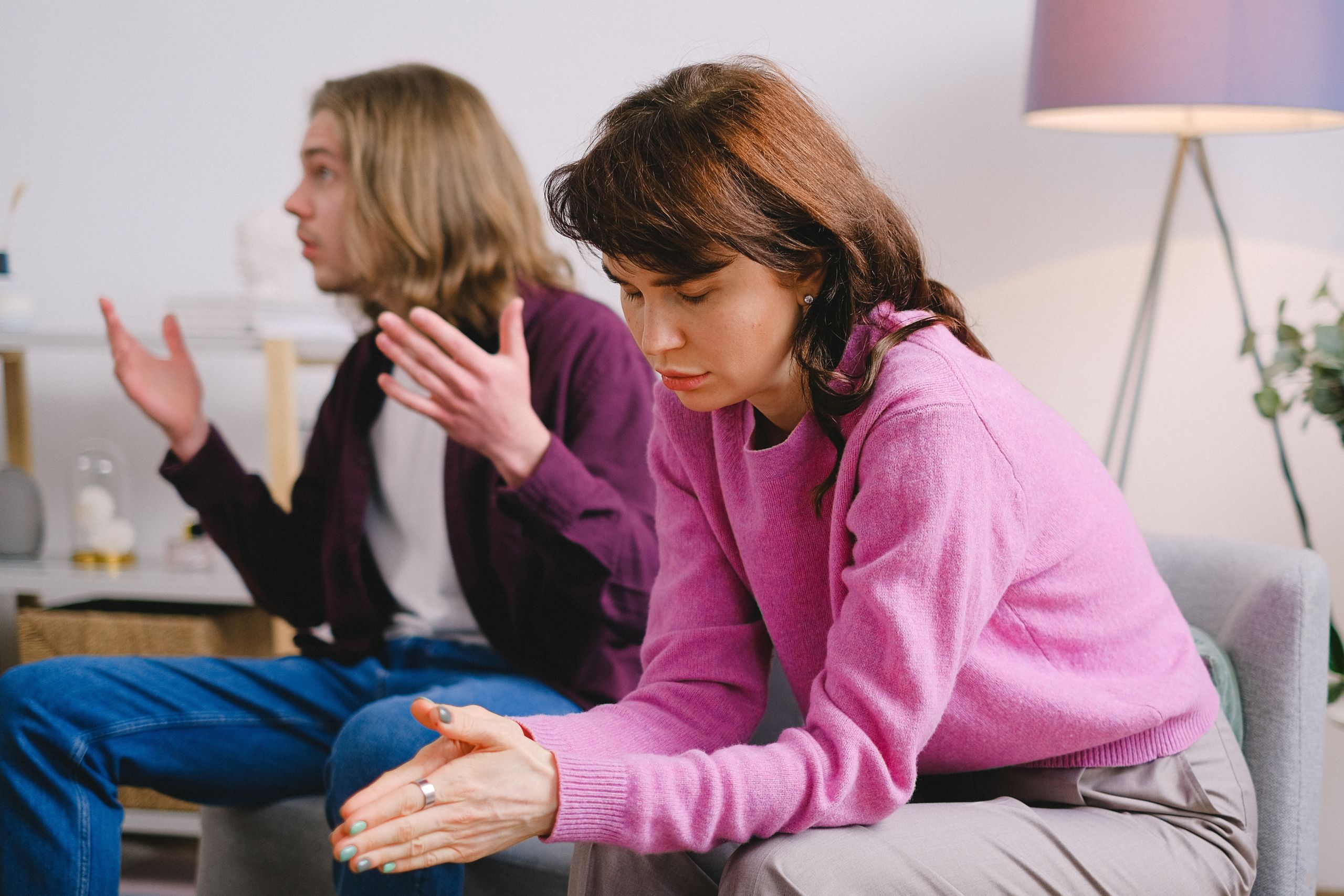
Relationships naturally involve uncertainty. People change, situations change, and life does not always follow predictable patterns. For someone with high anxiety, uncertainty can feel frightening. Control becomes an attempt to create safety.
A person may want to know where their partner is at all times, who they are with, what they are thinking, or what they plan to do next. Although this information may provide temporary comfort, it rarely solves the deeper fear. Anxiety often demands more reassurance and more control over time.
The healthier approach is learning to tolerate uncertainty. Security comes from trust, communication, and emotional confidence, not from controlling another person’s actions.
Related: 7 hidden-causes-of-anxiety-often-missed-by-women-over-40
Unhealthy Attachment Patterns or Fear of Vulnerability
Some people deeply desire love but also fear the emotional risks that come with it. They may fear becoming too dependent, being hurt, or losing someone who matters.
Instead of admitting vulnerability, they may express fear through anger, jealousy, accusations, or demands. This behavior can leave the other partner feeling like they must constantly prove their love.
True emotional connection requires honesty. Saying, “I feel insecure and I need reassurance,” is much healthier than creating situations where someone must constantly prove their commitment.
Related:8 patterns-that-can-fuel-constant-complaining-according-to-psychology
Building Love Without Ownership
Fear of losing someone is normal. Many people feel insecure or jealous in relationships. The important question is what they do with those feelings. Healthy love creates safety through honesty, trust, communication, and respect. Unhealthy control tries to create safety by limiting another person’s freedom.
No one can guarantee they will never experience heartbreak, but controlling another person cannot create genuine security. Strong relationships are built when both partners can express their fears without turning those fears into demands. Love becomes healthier when people choose each other freely rather than staying because they feel trapped.
Real emotional safety comes from the courage to communicate honestly, take responsibility for personal emotions, and love someone without trying to possess them.
Other Posts You Might Also Like
- 7 questions-controlling-wives-ask-that-can-damage-a-marriage
- 10 subtle-ways-a-partner-controls-you-without-seeming-controlling
If you like what you just read, then subscribe to our newsletter and follow us on social media.