


The post 7 Home Upgrades That Look Expensive but Won’t Drain Your Wallet first appeared on Crafting Your Home.
Home improvements often come with a frustrating assumption: the bigger the project, the bigger the transformation. Many homeowners imagine that creating a more beautiful, comfortable, or valuable home requires knocking down walls, replacing entire rooms, or spending thousands on major renovations.
But design experts and real estate professionals often point out that some of the most noticeable improvements come from smaller, carefully chosen updates. A fresh coat of paint, better lighting, upgraded hardware, or improved curb appeal can completely change how a home feels without requiring a massive construction project.
The trick is knowing where your money will have the biggest visual and practical impact. Not every expensive renovation delivers the results homeowners expect, and not every affordable upgrade feels cheap. Experts generally recommend focusing on improvements that enhance daily living while also creating broader appeal if you ever sell.
Whether you are preparing to sell, refreshing a tired-looking space, or simply trying to make your home feel more inviting, these seven upgrades prove that a smart budget can still create a noticeable difference.
A Fresh Coat of Paint Can Completely Change a Room
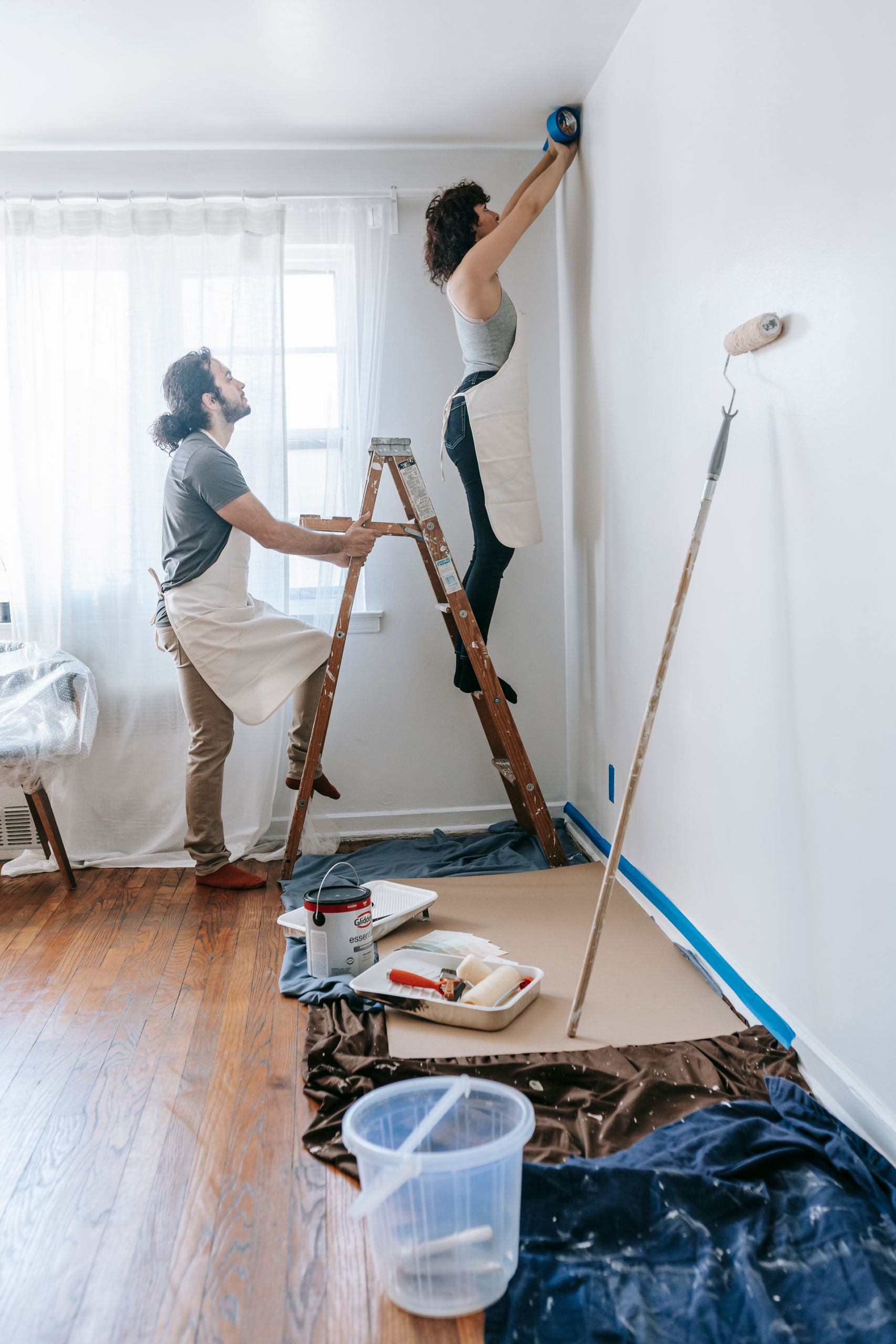
Few home improvements offer paint’s immediate impact. A room with faded, outdated, or overly dark colors can feel completely different after a carefully chosen refresh. The change is simple, but the effect can influence the entire mood of a home.
Interior design experts often describe paint as one of the most cost-effective ways to update a property because it can make spaces appear cleaner, brighter, and more current without requiring structural changes. Renovation experts, including Kate Ziegler, have highlighted repainting walls as a relatively affordable project that can create a strong impression, especially when preparing a home for sale.
The biggest impact often comes from choosing colors that complement the home’s existing features. Neutral tones can make spaces feel more open and let furniture, artwork, and architectural details stand out.
You can also use paint strategically beyond walls. Refreshing trim, doors, cabinets, or built-in shelves can give older areas a new personality without replacing the original materials.
The key is preparation. A smooth finish, properly repaired surfaces, and careful application usually matter more than simply choosing the most expensive paint available.
A weekend painting project may not sound dramatic, but the visual difference can make a home feel newer almost immediately.
Upgrade Lighting and Watch the Whole Home Glow Differently
Lighting is one of those details many homeowners overlook until they experience the difference it makes. A room with outdated fixtures or poor lighting can feel smaller and less welcoming, while thoughtful lighting choices can highlight a space’s best features.
Design professionals frequently recommend updating old fixtures, adding layers of lighting, and choosing bulbs that create a comfortable atmosphere. Good Housekeeping’s home improvement coverage notes that replacing outdated lighting and improving brightness consistency can significantly elevate a home’s appeal.
The improvement does not always require expensive designer fixtures. A modern pendant light over a kitchen island, updated bathroom lighting, or stylish lamps in living areas can create a more polished look.
Another advantage of lighting upgrades is flexibility. Unlike permanent renovations, fixtures can often be changed again later as tastes evolve.
Natural light also matters. Removing heavy window coverings, cleaning windows, or choosing lighter treatments can make rooms feel brighter without changing the home’s structure.
Lighting shows that small details can shape how people experience a space every day.
Give Your Entryway a Makeover for a Strong First Impression
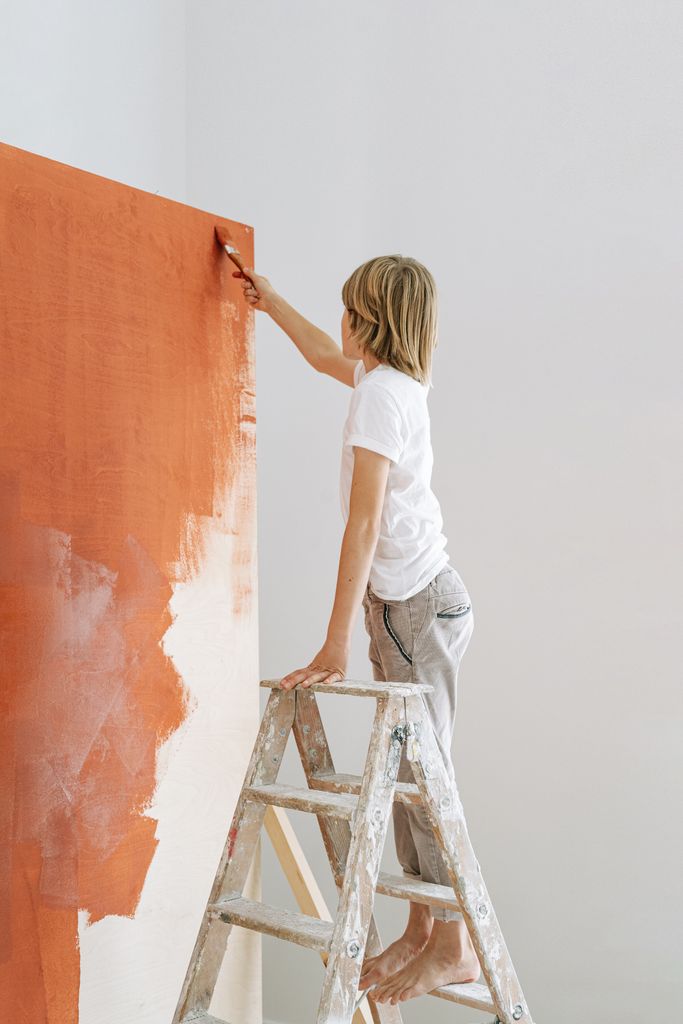
A home’s entrance creates the first impression, and small improvements in this area can have an outsized effect. A tired front door, outdated hardware, or neglected outdoor space can make an otherwise attractive home appear less cared for.
Real estate experts consistently point to curb appeal as an important factor in how buyers perceive a property. Improvements such as refreshing a front door, improving exterior lighting, and maintaining landscaping are often recommended because they can create noticeable results without major expense.
A new front door may be a larger investment, but smaller updates can still make a difference. Repainting the door, replacing the handle, adding a welcoming light fixture, or updating house numbers can create a cleaner appearance.
Inside the entryway, organization can have an equally powerful effect. A simple bench, attractive storage solution, or updated rug can make the area feel intentional rather than overlooked.
Refresh the Kitchen Without Doing a Full Renovation
The kitchen is often considered the heart of the home, but updating it does not always require replacing every cabinet, appliance, and surface. Smaller improvements can deliver much of the visual impact at a fraction of the cost.
Home improvement experts often recommend focusing on high-impact details such as cabinet hardware, countertops, backsplashes, and lighting, rather than automatically choosing a complete remodel. Good Housekeeping has highlighted smaller kitchen updates as practical improvements that can help modernize a home.
Replacing outdated cabinet handles is one of the simplest ways to change a kitchen’s appearance. Because hardware appears throughout the space, a small upgrade can make cabinets look more intentional and updated.
A new backsplash can also add personality while protecting the wall behind cooking areas. Even small design choices, such as updated faucets or better organization, can improve how the kitchen functions.
According to Bankrate, minor kitchen remodels are among the projects that can offer strong returns compared with larger, more expensive renovations.
The goal is not always to create a completely different kitchen. Sometimes the smartest improvement is simply helping the existing kitchen look and work better.
The biggest lesson in home improvement is that cost does not always determine impact. A thoughtful upgrade in the right place can sometimes create a bigger transformation than a costly renovation that does not address how people actually use the space.
The smartest improvements often make a home feel more comfortable, more functional, and more like a place people truly enjoy living in.
Other Posts You Might Like
- 10 Common Kitchen DIY Fails You Should Avoid
- 7 Everyday Appliances That Are Silently Increasing Your Water Costs
- 10 Best Plants for Rain Gardens to Combat Runoff and Erosion
- 13 Small Mudroom Ideas That Maximize Style and Function


