

This post Tiramisu Is Having a Major Comeback: Why Everyone Suddenly Wants a Taste of the Italian Dessert Again first appeared on Crafting Your Home.
For years, tiramisu quietly sat on restaurant menus as a dependable classic, the dessert people ordered after pasta dinners, the familiar treat that rarely needed an introduction. But recently, the layered Italian favorite has stepped back into the spotlight, appearing in bakeries, coffee shops, supermarkets, social media feeds, and even unexpected formats like pastries, drinks, and frozen treats.
The dessert’s latest surge in popularity isn’t simply about nostalgia. Food experts say tiramisu has found a sweet spot between comfort and creativity. It feels familiar enough to be reassuring, yet flexible enough for chefs and brands to reinvent with new flavors, textures, and presentations.
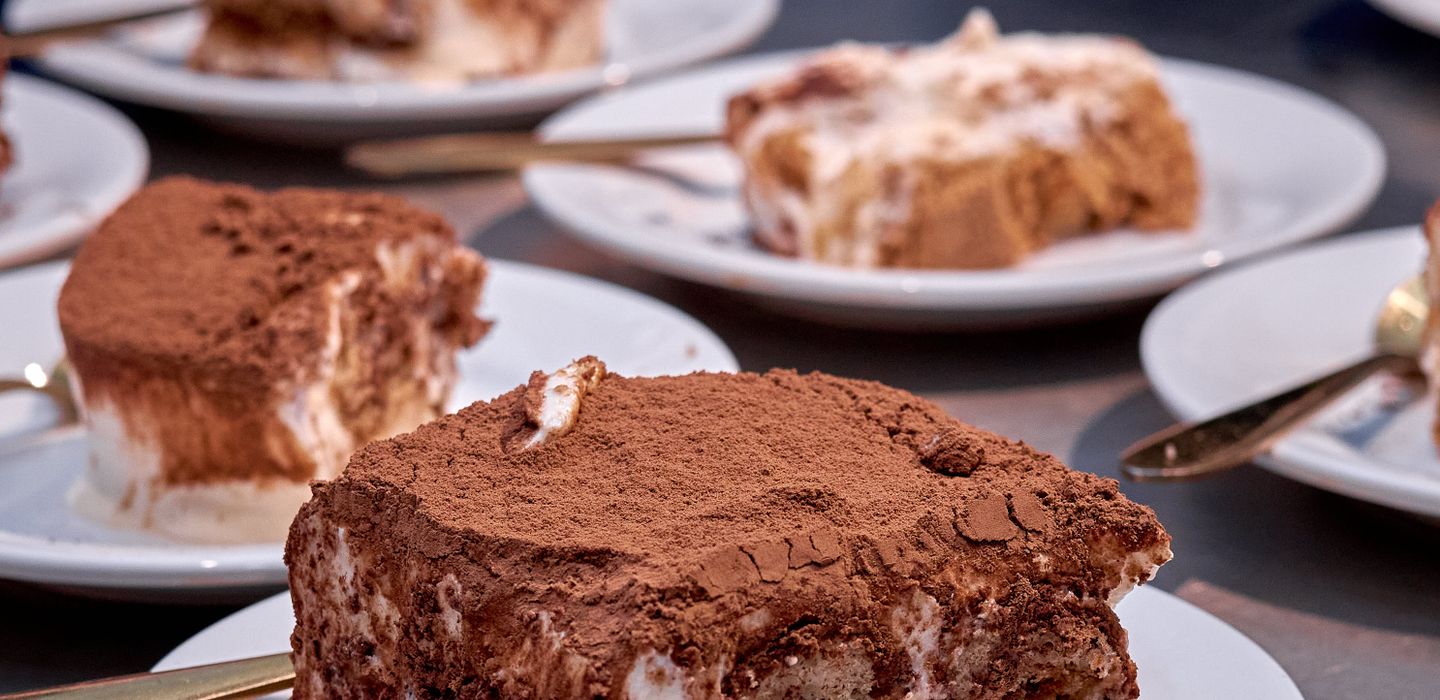
Made traditionally with coffee-soaked ladyfingers, mascarpone cream, sugar, eggs, and cocoa powder, tiramisu has long appealed to multiple tastes: creamy, slightly bitter, sweet, and rich without being overly complicated. Its name comes from the Italian phrase meaning “pick me up,” a reference often linked to its coffee element.
Now, the dessert once associated with classic Italian restaurants is becoming one of the most talked-about sweets again. From viral online versions to premium supermarket releases, tiramisu proves that some classics never really disappear; they simply wait for the right moment to return.
The Secret Behind Tiramisu’s Comeback: Familiar, Fancy, and Easy to Reinvent

One reason tiramisu keeps drawing attention is that it delivers a feeling of luxury without relying on complicated ingredients. Unlike some modern desserts that require unusual flavors or elaborate techniques, tiramisu is built around ingredients many people already recognize: coffee, cocoa, cream, and a soft cake-like layer.
Food industry experts describe this combination of familiarity and novelty as a major reason the dessert is connecting with today’s customers. Lorna Love, director of sales and marketing at Lazy Day Foods, said the trend reflects “growing demand for bakery products that feel more playful, indulgent and experience-led, while still rooted in recognisable flavours.”
That balance has helped tiramisu move beyond its traditional restaurant setting. Instead of appearing only as a plated dessert after dinner, the flavor has expanded into cakes, chocolates, pastries, snacks, and beverages.
Richard Wells, development chef at Brakes Foodservice, explained that the dessert’s flexibility has helped fuel its popularity, noting that tiramisu works because its flavor profile can adapt across different products while keeping its recognizable identity.
This adaptability is one of tiramisu’s biggest advantages. A chef can keep the traditional espresso and mascarpone combination or experiment with flavors such as pistachio, chocolate, fruit, or matcha while still maintaining the dessert’s core appeal.
The result is a dessert that works for both traditionalists and adventurous eaters. Someone looking for the classic Italian experience can find it, while someone interested in a modern twist can discover a completely different version.
That ability to evolve without losing its identity has allowed tiramisu to remain relevant across generations. Instead of being replaced by newer dessert trends, it has become part of them.
Social Media, Nostalgia, and the Rise of the “Little Treat” Culture
Another factor behind tiramisu’s renewed popularity is how people engage with food online. Desserts that look visually appealing and offer a memorable experience often perform well on social media, and tiramisu naturally fits that environment with its visible layers and elegant presentation.
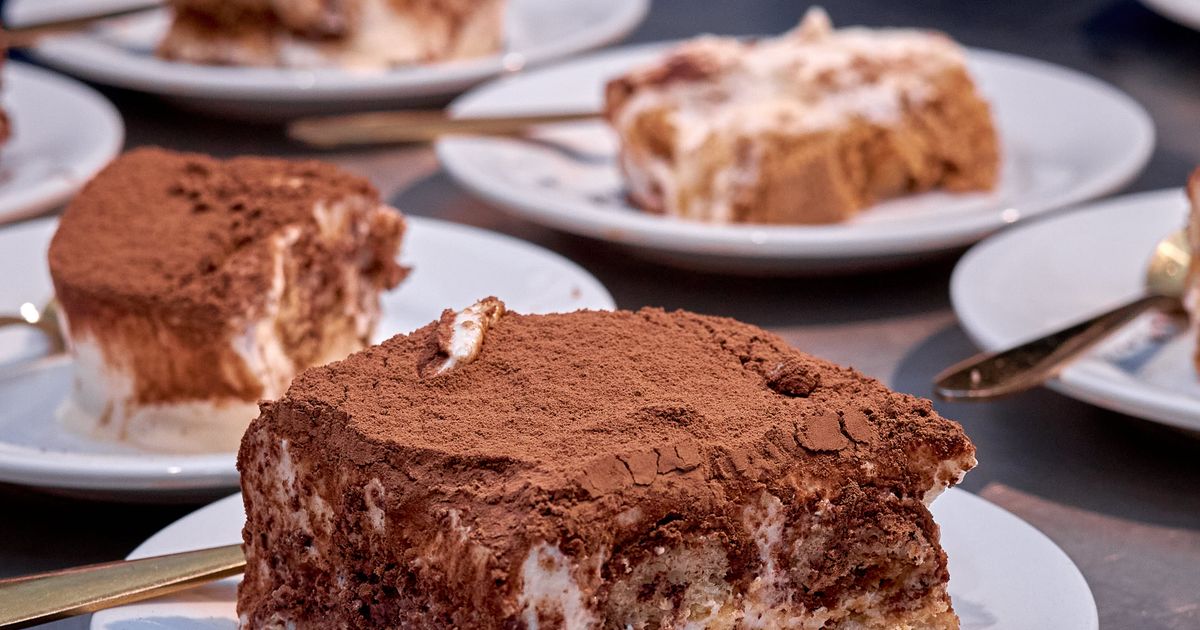
The dessert’s structure makes it especially attractive for modern food culture. A spoon cutting through layers of cream, coffee-soaked biscuits, and cocoa creates the kind of visual moment that encourages online sharing and discovery.
At the same time, experts say tiramisu’s return is linked to a broader desire for comforting foods. The Guardian reported that the dessert’s resurgence reflects interest in nostalgia and indulgent treats, particularly as consumers look for small moments of enjoyment.
This does not mean people are only chasing trends. Tiramisu already has decades of cultural history behind it. The dessert is widely associated with Italian culinary tradition, and its origins are commonly linked to the restaurant Le Beccherie in Treviso, where it became part of modern Italian dessert culture in the 1970s.
That openness may explain why tiramisu continues to inspire chefs worldwide. It is rooted in tradition, but it does not require every version to look exactly the same.
Restaurants and bakeries have used that freedom to create their own interpretations. Some have introduced pistachio versions, others have transformed the dessert into croissants, cakes, or other pastry formats.
The trend also reflects a larger movement in food where consumers are drawn to products that feel special but still recognizable. Tiramisu offers that combination: it feels like a treat, but it does not feel unfamiliar.
From Italian Classic to Global Dessert Favorite
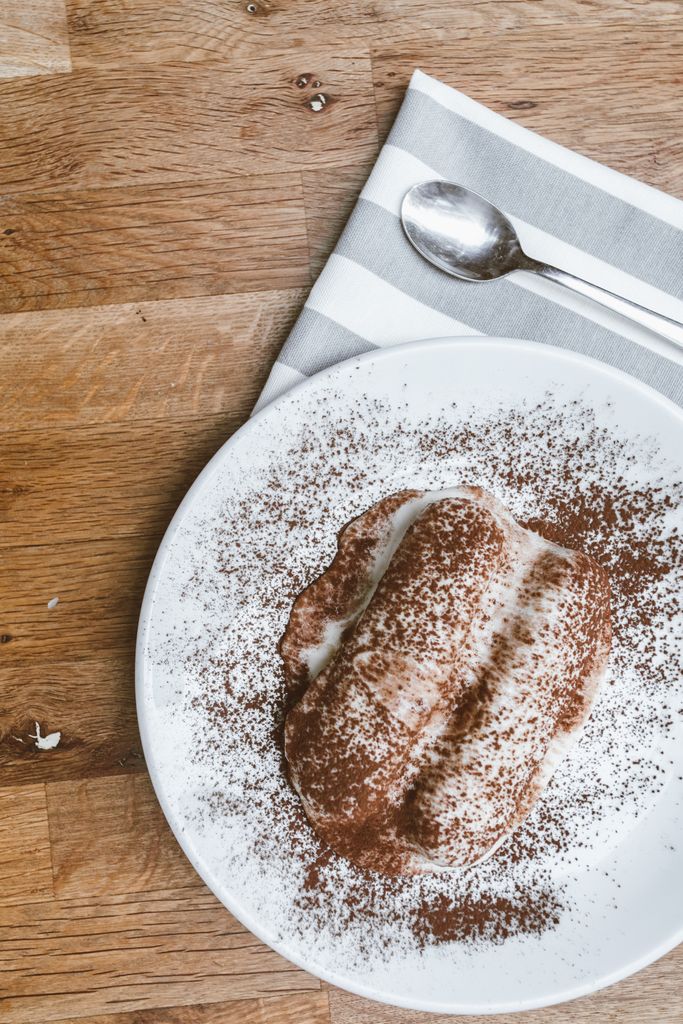
Tiramisu’s latest comeback shows how traditional foods can find new audiences when they adapt to changing tastes. The dessert is no longer limited to Italian restaurants or special occasions; it has become a broader flavor category that chefs and brands continue to explore.
Retailers have also noticed the demand. Reports from food industry sources highlight increased interest in tiramisu products across supermarkets, cafés, and specialty food businesses. M&S, for example, reported a rise in tiramisu sales, while other retailers have expanded premium versions of the dessert.
The growth has also encouraged businesses to experiment with formats that make tiramisu easier to enjoy in everyday situations. Instead of only being served as a traditional slice, the flavor now appears in grab-and-go desserts, drinks, and bakery items.
Chef Vinesh Johnny of Lavonne Pastry Academy and Café described tiramisu’s appeal as its ability to connect different dining experiences. He said the dessert “bridges the gap between high-end modern cuisine and comforting home-style fare.”
That may be the biggest reason tiramisu keeps returning whenever food trends shift. It has the elegance of a restaurant dessert but the emotional comfort of something familiar.
While trends come and go, tiramisu has already survived decades of changing tastes. Its current popularity is less about a sudden invention and more about a reminder of why the dessert became beloved in the first place.
It turns simple ingredients into something memorable. It can be traditional or modern, sophisticated or casual, nostalgic or completely new.
And that versatility may be exactly why tiramisu is everywhere again. The dessert isn’t trying to replace the next big thing; it’s become a classic that keeps finding new ways to be exciting.


