



The post 7 Things Charities Prefer You Not to Donate (And What to Give Instead) first appeared on Crafting Your Home.
Donating unwanted belongings can be a practical way to pass useful items to someone else while supporting a charitable organization. But not everything that leaves your home makes a useful donation. An item can be free for the donor and still create work, storage problems, or disposal costs for the organization receiving it. Donation policies differ by charity, its facilities, local regulations, and whether it distributes donated goods directly, sells them through a charity shop, or sends them elsewhere. Goodwill, for example, notes that donation rules vary by location, while individual Salvation Army stores publish their own acceptance policies.
So, before filling a car with unwanted belongings, ask a simple question: Can this organization actually use this item? If not, recycling, responsible disposal, selling, or simply not passing the item on may be a better option.
Clothes You Wouldn’t Wear Yourself
Clothing is one of the most common categories of charitable donations, but quantity does not make up for poor condition. Clothes that are stained, torn, heavily worn, damp, or otherwise unsuitable for another person are generally poor candidates for charity-shop donation.
Before donating clothes, inspect them as though you were considering buying them from a secondhand shop. Are they clean? Are the seams intact? Are buttons and zippers working? Would someone reasonably choose the item in its current condition? If not, look for a textile-recycling option instead. The EPA advises checking with local charities and retailers because acceptance of damaged clothing and shoes varies.
Anything Broken
A common misconception is that charities have the resources to repair whatever a donor no longer wants. In reality, many organizations are not equipped to repair every broken appliance, piece of furniture, toy, or household item they receive. The better choice depends on what is wrong with the item. A chair with a loose screw may be worth repairing before donation. A damaged electrical appliance may be more appropriate for an electronics-recycling program. An item that cannot reasonably be repaired or reused may belong in the appropriate waste stream.
The key distinction is simple: don’t make the charity decide what to do with something you already know is unusable.
Old Mattresses, Pillows, and Certain Used Bedding
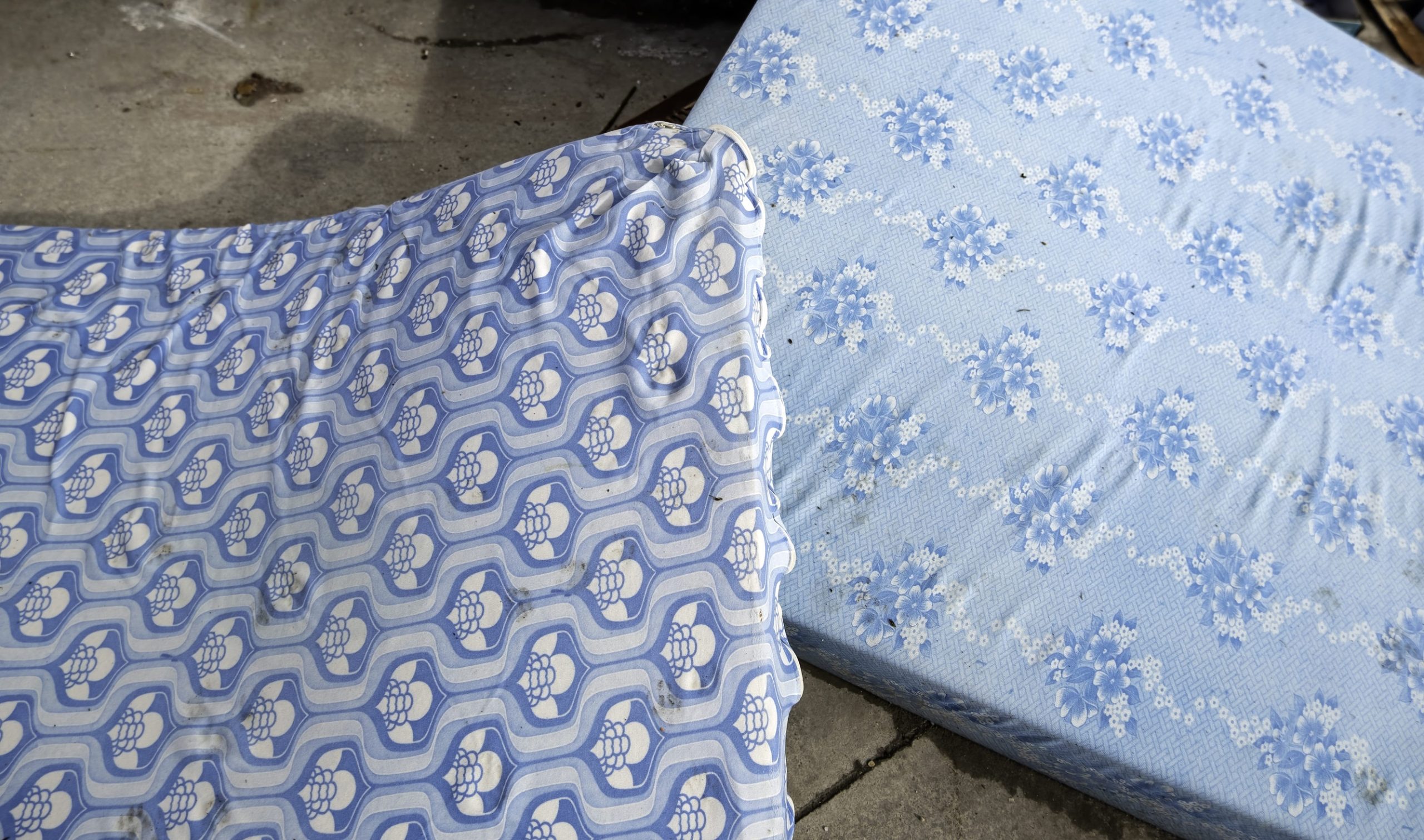
Large bedding items are another category to check first, rather than assuming a charity will accept them. No universal rule dictates whether charities accept or reject a particular household item.
If you have a mattress, box spring, pillow, or bulky bedding to give away, contact the intended organization before transporting it. If it is not accepted, look for a local recycling or specialist disposal service instead. The goal is to avoid leaving an unwanted item at a donation center and shifting the disposal problem to charity staff.
Related: 8 Ways to Declutter Your Home and Simplify Your Life
Out-of-Date or Poorly Packaged Food
Food donations have specific requirements because food banks need to know what they are receiving and whether they can distribute it safely. Many food banks may not accept opened packages, damaged cans, homemade food, leftovers, or products requiring refrigeration. Feeding America’s consumer guidance explains that local organizations may lack the refrigeration or freezer capacity needed for certain perishable donations and may be unable to verify the preparation or ingredients of homemade food.
This does not mean every food bank rejects every perishable item. Food banks can have established relationships with farms, retailers, restaurants, and manufacturers that allow them to manage perishable food through controlled donation channels. Those arrangements are different from an individual dropping off a box of food without prior coordination.
For individual donors, the safest approach is to check the food bank’s current wish list and donation rules before bringing food. Unopened, properly labeled, nonperishable items that the organization has specifically requested are usually a more straightforward choice.
Dangerous Household Products
Household chemicals and other hazardous products are generally not appropriate for an ordinary charity donation box. The EPA classifies products such as certain paints, solvents, pesticides, batteries, aerosol cans, and antifreeze as examples of household hazardous waste. The agency recommends checking local waste-management authorities or designated collection facilities for proper disposal because these products require special handling.
This is one area where donating something simply because it is still in your home can be the wrong approach. A charity may have no appropriate facility for storing or processing hazardous materials. Instead, identify the product and check your local authority’s disposal instructions. Some retailers, manufacturers, recycling programs, or municipal collection centers accept specific products.
Don’t assume an item is suitable for donation just because it still looks usable. For hazardous materials, the correct disposal channel matters more than finding someone else to take the item.
Related: 15 Everyday Items That Are Worth More Than You Think
Obsolete Electronics and Accessories
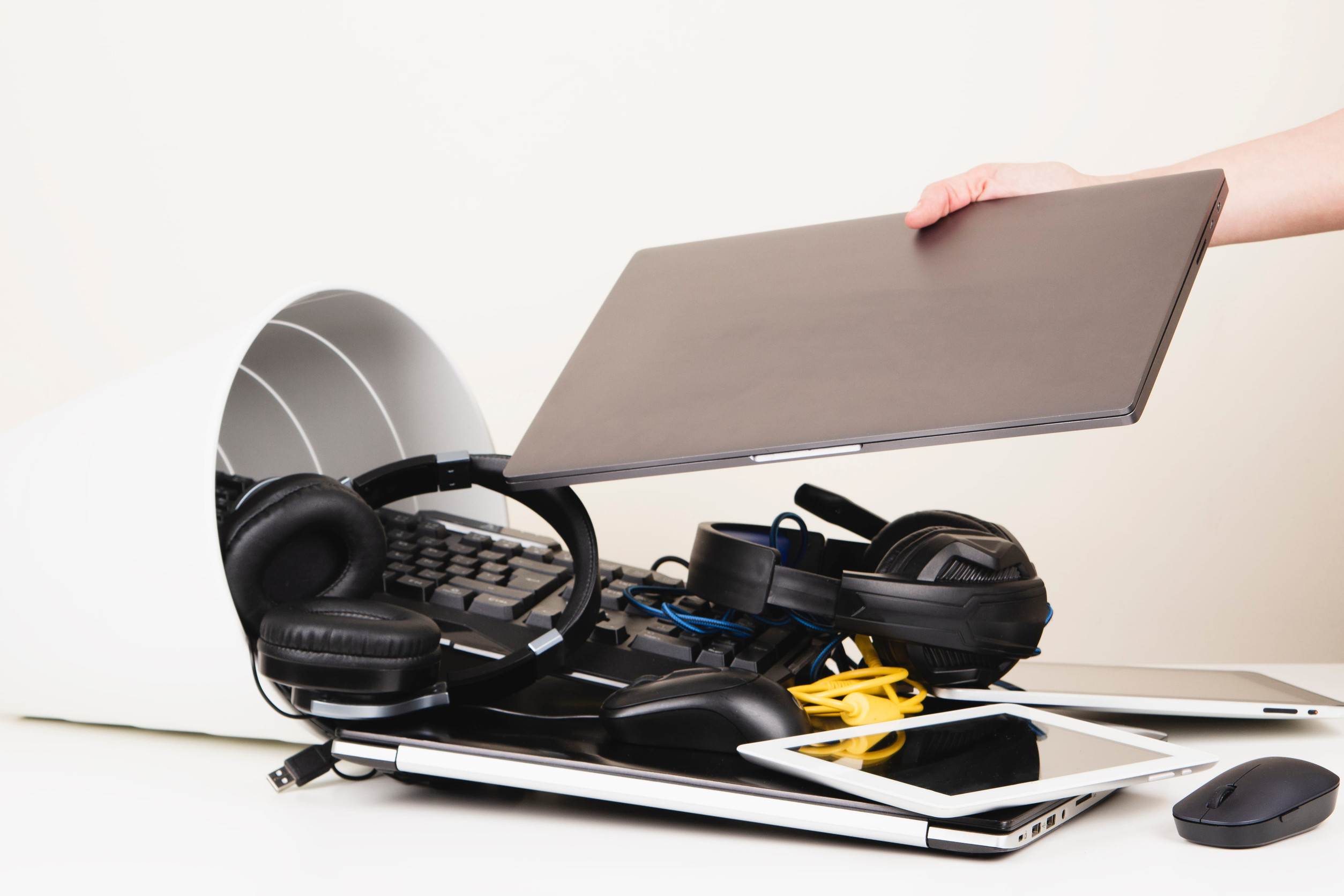
Old electronics occupy a complicated middle ground. Some working computers, phones, televisions, and other devices can have a useful second life, but outdated, damaged, incomplete, or unwanted electronics may be difficult for a particular charity to handle. The EPA recommends checking whether an organization actually accepts the type of electronic item you have and says consumers should delete personal information before donating or recycling electronics. It also advises that batteries, particularly lithium-ion batteries, may require separate handling.
Before donating an electronic device, ask three questions: Does it work? Does the charity accept it? Have I removed my personal data? If the organization does not accept it, use an appropriate electronics-recycling service.
Related: 6 Worst Places to Keep Your Phone and Why You Should Avoid Them
Huge Quantities of Low-Value Items
Even technically usable items can become a poor donation when a charity receives far more than it can realistically sell or distribute. This is especially relevant during disaster responses. Feeding America has warned that unsolicited collections of used clothing, miscellaneous household goods, and mixed or perishable food can create additional sorting, transportation, and delivery demands. During disasters, the organization recommends contacting the local food bank or response organization to determine what is actually needed.
The same principle applies outside emergencies. A charity may have limited shelf, warehouse, volunteer, or transportation capacity. Ten boxes of identical low-demand household goods are not necessarily ten times as useful as one box of items on the organization’s current wish list. Before organizing a large collection, contact the charity. Ask what it needs, how much it can accept, and whether it has particular specifications. A smaller, targeted donation can be more useful than a large shipment of miscellaneous belongings.
Key Takeaways

A useful donation is something an organization can realistically use, sell, distribute, or otherwise put to work.
Before donating, inspect the item, check the organization’s current policy, and ask if you are unsure. Don’t leave prohibited items outside a collection center.
It is also worth checking products for recalls before giving them away.
Ultimately, responsible donating is less about getting rid of everything you no longer want and more about matching useful items with organizations that can actually use them. If something is broken, unsafe, heavily worn, obsolete, or specifically excluded from a charity’s donation policy, another form of reuse, recycling, or disposal may be the more responsible choice.
Other Posts You Might Like
- 8 Household Items That Begin to Feel Immature After 30
- How to Prevent Package Theft: 10 Practical Tips That Work
- Selling These 9 Things at a Garage Sale Could Cost You More Than You Think
- 8 Items You Should Never Store in Your Oven Drawer
If you like what you just read, then subscribe to our newsletter and follow us on social media.


