People are taking a closer look at everyday meals as they search for simple ways to plan what goes on their plates.
A recent food-focused discussion notes that expensive specialty items aren’t the only options for meal prep. Dietitians say that six affordable staples can be part of everyday meal planning: berries, leafy greens or cruciferous vegetables, beans, lentils or chickpeas, whole grains, nuts and seeds, and plain yogurt or a fortified alternative.
The list highlights familiar foods that many people already recognize and use at home. Rather than focusing on hard-to-find products, the conversation centers on everyday ingredients that can fit into regular cooking routines.
Why these foods are getting attention
For many households, meal planning often comes down to finding practical ingredients that work in different dishes. The featured foods offer a mix of options that fit into a variety of everyday meals.
The list includes fruits, vegetables, legumes, grains, nuts, seeds, and yogurt or alternatives. These categories reflect foods commonly discussed in conversations about food choices and daily meals.
Berries are one of the six highlighted foods. They appear alongside leafy greens and cruciferous vegetables, which are also on the list. Together, these choices represent familiar produce options to consider when preparing meals.
The list also includes beans, lentils, and chickpeas. These foods are commonly recognized as staple ingredients in many kitchens and can be used in different meal preparations.
Whole grains are another item included in the list, along with nuts and seeds. Plain yogurt or a fortified alternative completes the group of six foods identified in the discussion.
Berries
Image credit: by Maharishi/pexels
Berries are the first food included in the list of six affordable staples. They are a familiar fruit choice and are featured as one of the everyday foods highlighted in the discussion.
For readers planning meals, berries represent one option within the fruit category. They are included among the foods that dietitians say can be part of regular meal choices.
Leafy greens or cruciferous vegetables
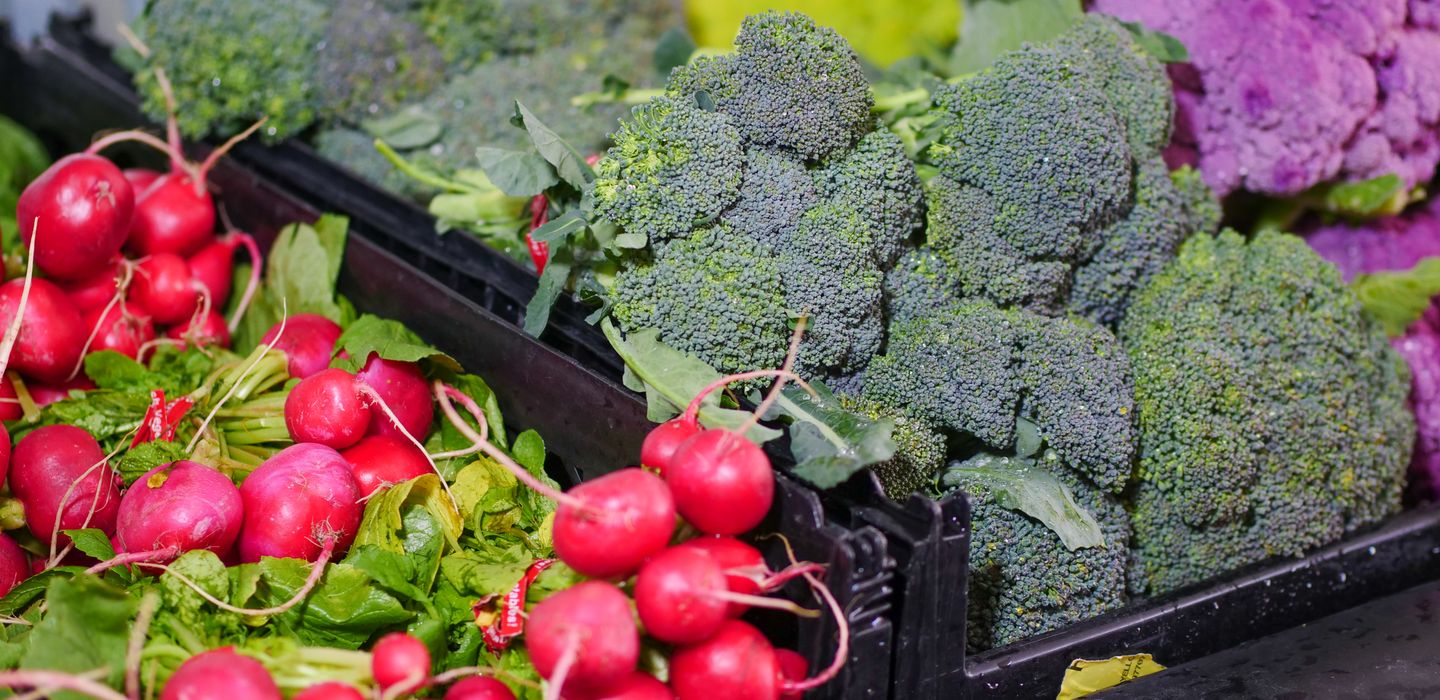
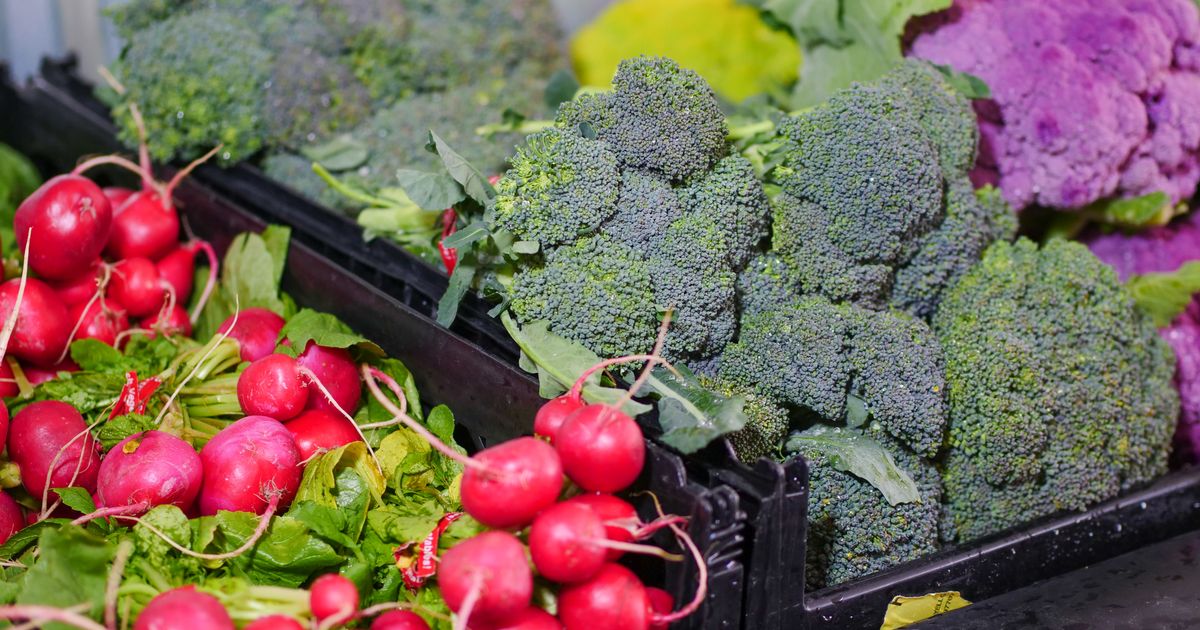
Leafy greens and cruciferous vegetables are also included among the six foods. These vegetables represent another produce option featured in the list.
The category includes two types of vegetables: leafy greens and cruciferous vegetables. Both are named as part of the group of foods highlighted for everyday meal planning.
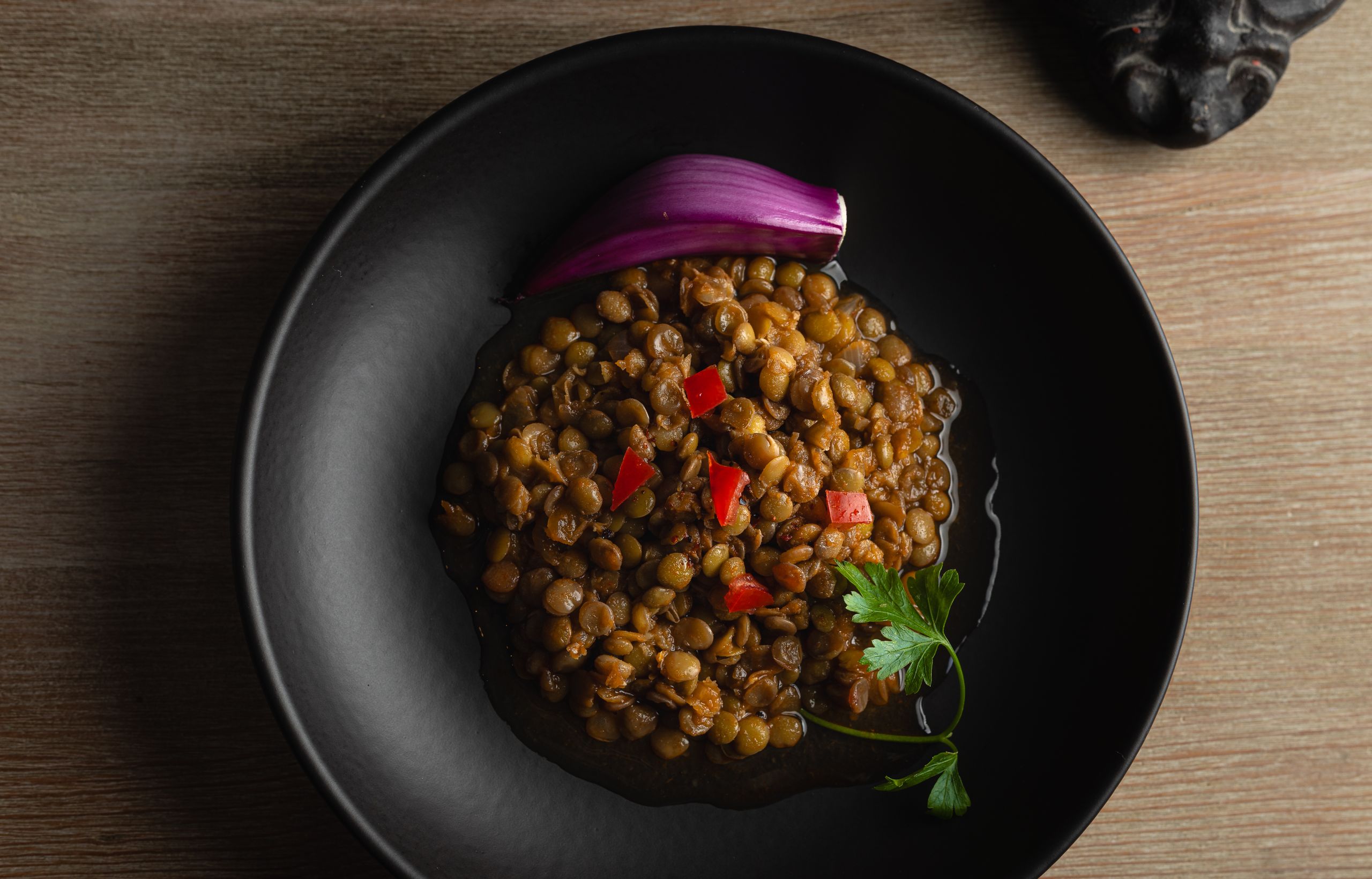
Beans, lentils, and chickpeas are grouped as another featured staple. The list includes these foods as affordable options to consider when preparing meals.
This category gives readers another familiar ingredient group to explore in their kitchens. The list of six foods specifically identifies beans, lentils, and chickpeas.
Whole grains
Whole grains are another food category discussed. They are highlighted as staples that can be part of everyday meals.
Including whole grains adds another common ingredient option to the list. Along with the other five categories, dietitians identify whole grains as part of the group.
Nuts and seeds
Image credit: by Lorena Galeano/pexels
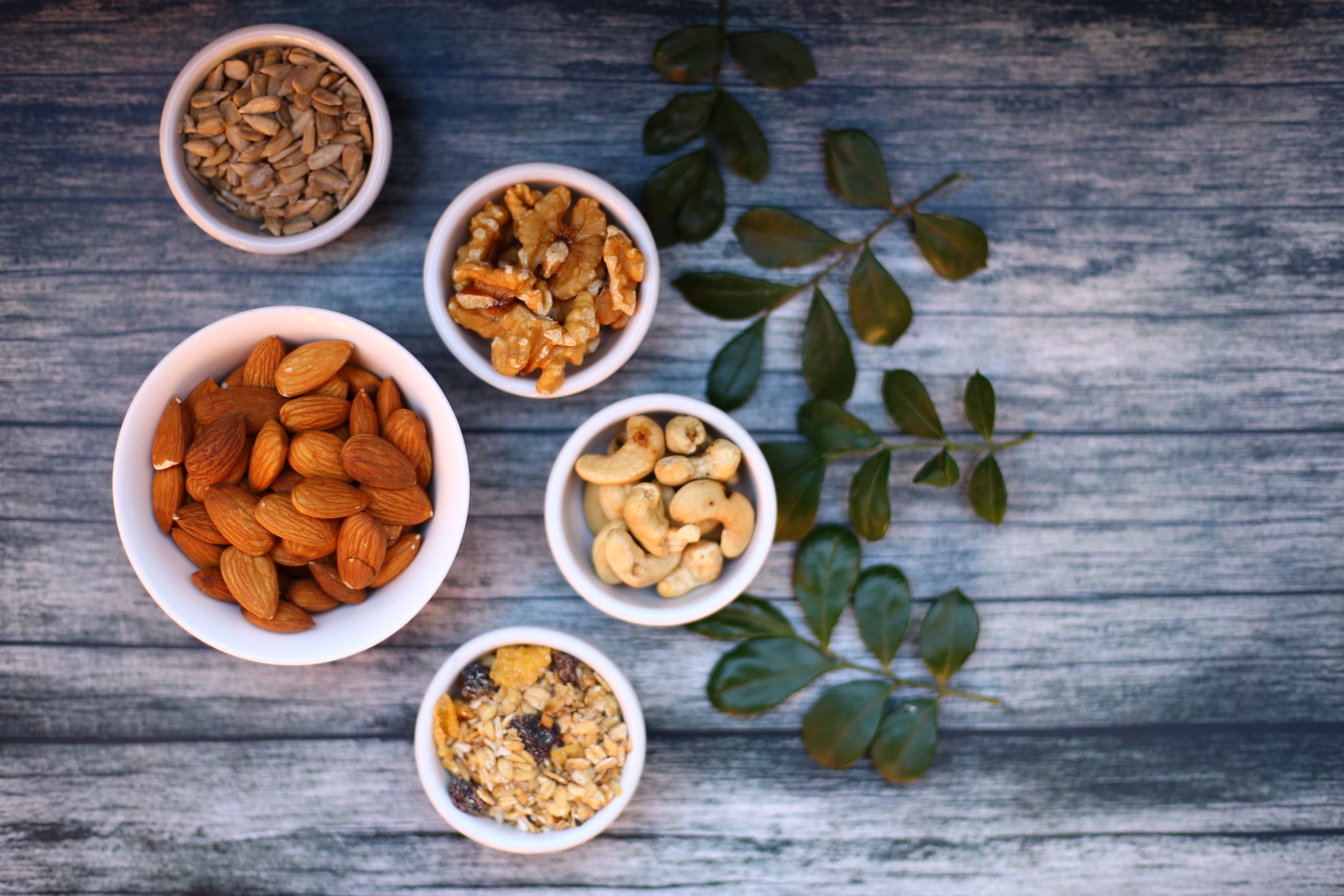
Nuts and seeds are featured as the fifth food category. They are included among the affordable staples highlighted in the discussion.
For readers considering different meal ingredients, nuts and seeds offer another option from the list. They appear alongside berries, vegetables, legumes, whole grains, and yogurt or alternatives.
Plain yogurt or a fortified alternative
Plain yogurt or a fortified alternative completes the six-food list. This category offers another option for everyday meal planning.
The list includes both plain yogurt and fortified alternatives as featured foods. Together with the other categories, they form the six staples highlighted in the discussion.
Bringing the ideas into everyday kitchens
Image credit: by mustafa türkeri/pexels
Focusing on these six foods gives readers a simple list of ingredients to consider for everyday meals. The group includes options from several food categories, giving households a range of choices to explore.
The discussion also shifts attention away from the idea that special or expensive products are required. Instead, it points to common staples familiar to many shoppers and home cooks.
For readers looking to organize meal ideas around these foods, the list provides a starting point. Each household can decide how these ingredients fit into its own cooking routines and preferences.