


The post Why Your Home Can Feel Different in September and 6 Easy Ways to Make It Feel Cozier first appeared on Crafting Your Home.
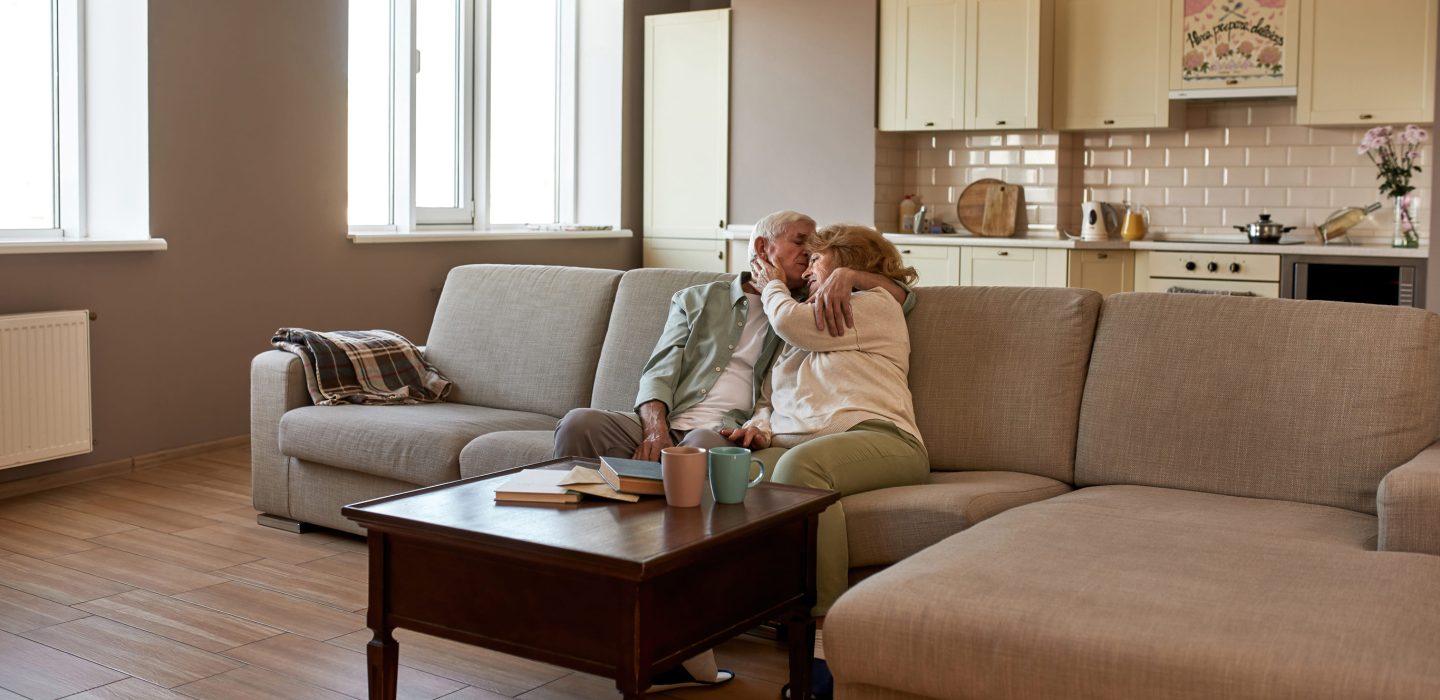
Nothing in your house actually changes in September. Same walls, same furniture, same layout. And yet it can suddenly feel a little flatter, a little less inviting, like the space itself picked up on something before you did.
That reaction isn’t just in your head, and it isn’t really about the house. According to experts who study seasonal mood, it’s largely about light.
Why September Feels Different in the First Place
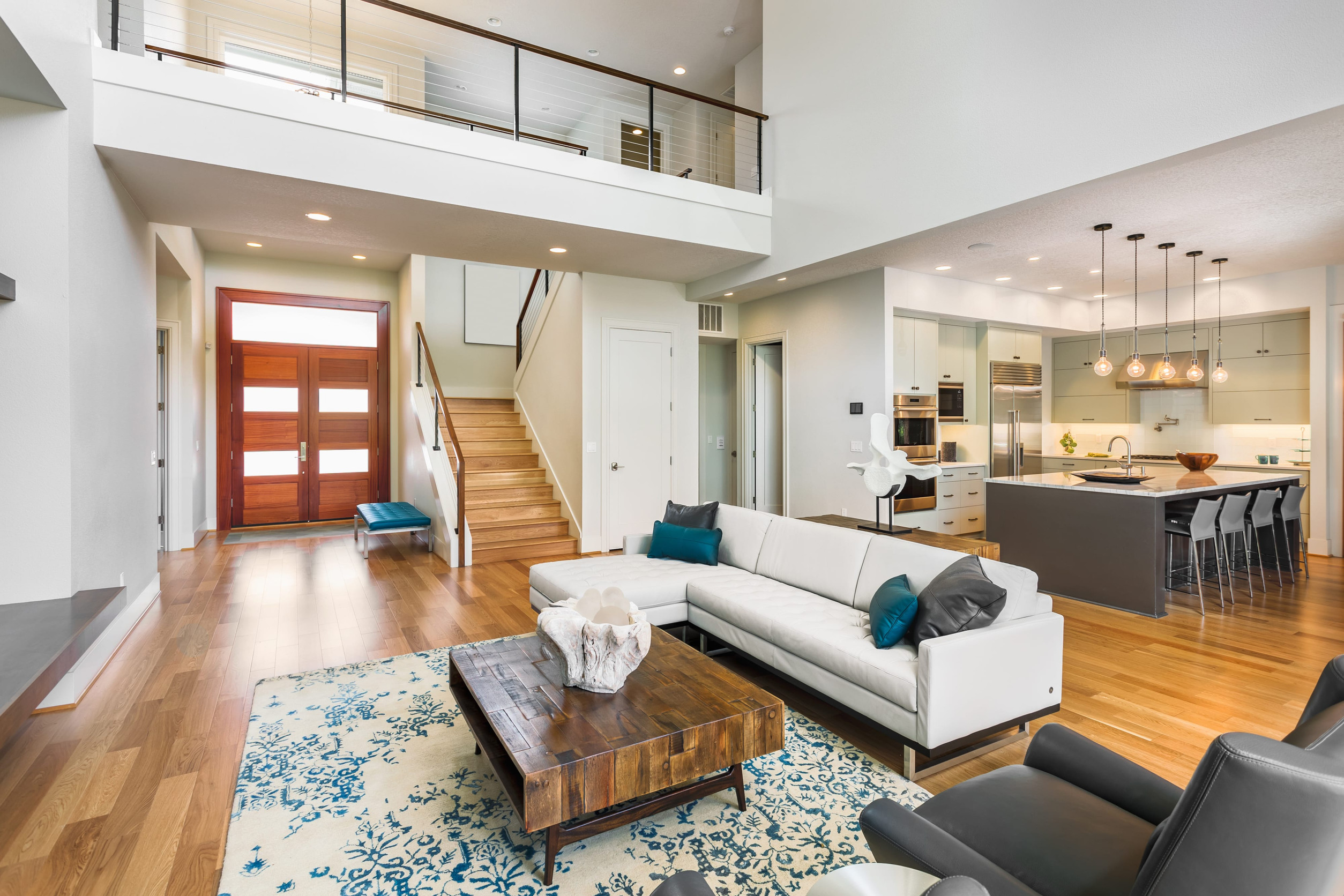
As daylight hours start shrinking after summer, the shift is subtle but real. David Asch, a licensed marriage and family therapist and clinical program director at AMFM Healthcare, describes what he calls “September sadness,” a seasonal mood shift that happens as summer ends and fall begins. According to Asch, the sudden transition brings shorter days, dropping temperatures, and a return to more structured routines all at once, which requires really physical and emotional adjustment.
That adjustment can make familiar spaces feel a little different too, simply because the light filling them has changed. A room that felt bright and open in July can feel dimmer and quieter by late September, even with nothing rearranged.
This is a normal seasonal shift for most people, not something to be concerned about on its own. That said, if low mood, low energy, or disrupted sleep start to feel persistent or start interfering with daily life beyond typical seasonal adjustment, it’s worth checking in with a healthcare provider rather than assuming it will pass on its own.
The good news on the home front is that a few small, intentional changes can go a long way toward counteracting that flatter feeling no renovation required.
Layer Your Lighting Instead of Relying on One Source
Overhead lighting alone tends to feel harsh and flat, especially as natural light fades earlier in the day. Susie Novak, founder and principal designer of Susie Novak Interiors, recommends layering light at multiple levels of sconces, table lamps, and floor lamps rather than depending on a single overhead fixture or a uniform grid of pot lights.
The goal isn’t lighter overall. It’s smaller, warmer pockets of light at different heights throughout a room, which reads as noticeably cozier than one bright, even source.
Swap in Heavier, Warmer Textiles
One of the simplest seasonal changes is also one of the most effective: trading lightweight summer throws and pillow covers for thicker, textured ones. According to Homes & Gardens, a chunky knit blanket or a thick quilt can instantly transform how a couch or bed feels, without touching anything else in the room.
It’s a low-effort swap, and unlike a full seasonal overhaul, you can do it in an afternoon with items already in a closet or with a quick, inexpensive purchase.
Related: 7 Ways to Finally Get Your Front Garden Under Control
Bring in One or Two Deeper Colors, Without Repainting
A full repaint isn’t necessary to shift a room’s mood for fall. New York-based interior designer Jennifer Hunter, speaking to Homes & Gardens, recommends incorporating just one or two deeper tones like plum, rust, or olive through smaller elements rather than an entire wall.
Designer Gillian Segal echoes the same idea, pointing to deep, rich colors like burgundy as an easy way to add warmth and depth to a room heading into the cooler months, without requiring a full redesign.
Add Texture Wherever You Can
Texture does a lot of the heavy lifting when it comes to making a space feel warmer. Hunter suggests incorporating tactile materials like velvet, wool, and aged leather into small pieces a throw pillow, an accent chair, a blanket to add richness to a room for relatively little cost or effort.
Interior design experts consistently point to texture as one of the highest-impact, lowest-effort ways to shift a room’s feel, since it changes how a space feels to the touch, not just how it looks.
Introduce a Seasonal Scent
Smell plays a bigger role in how “cozy” a space feels than most people give it credit for. A simple reed diffuser or candle in a warm, seasonal scent can shift a room’s overall feel for a relatively small cost, according to interior design guidance from Sukkah Interior Design.
It’s a small sensory cue, but paired with warmer lighting and textiles, it reinforces the same seasonal shift the rest of the room is already making.
Create a Small, Intentional Cozy Corner
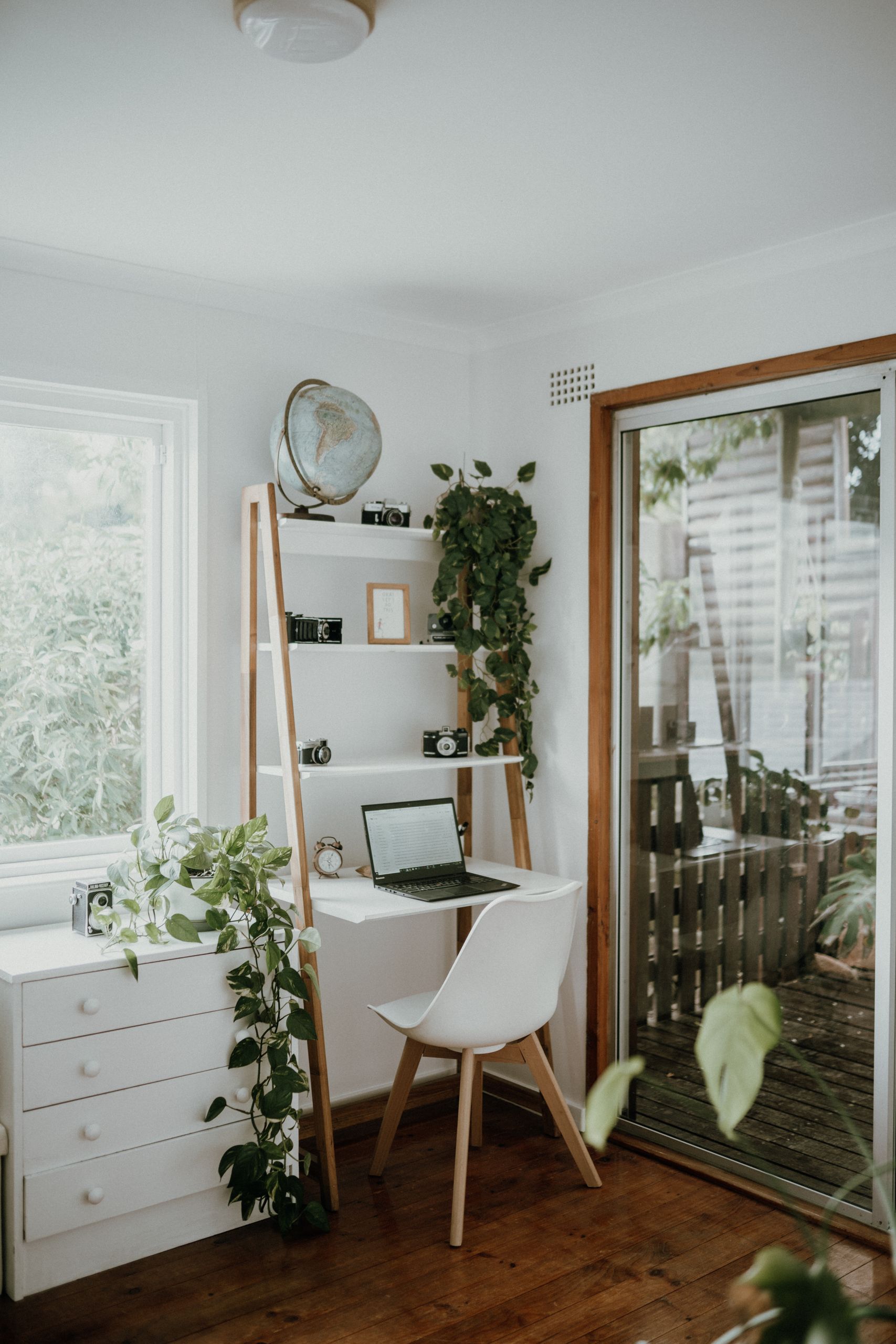
Rather than trying to make an entire home feel cozier at once, designers increasingly point to the value of one small, dedicated spot: a reading chair by a window, a corner with a soft throw and good lighting. According to data cited by Sunset Magazine, searches for “cozy corner,” “cozy reading room,” and “cozy lighting” have all increased significantly in recent years, reflecting a broader shift toward smaller, personalized spaces rather than full-room makeovers.
Susie Novak notes that personalized, cozy spaces genuinely affect how people feel, making a home feel more relaxed and connected rather than decorated.
Related Post: 8 smart gardening hacks that can help you spend less money
The Bigger Picture
None of these changes require a big budget or a weekend project. A few new textiles, some layered lighting, a touch of color, and one dedicated cozy spot can meaningfully shift how a home feels heading into fall, countering some of that flatter, quieter feeling that comes with shorter days, one small, deliberate choice at a time.
Other posts you might like:
- 9 Garden Sheds That Prove Outdoor Storage Can Look Beautiful
- 8 Pretty Flowers That Can Help Support a Thriving Vegetable Garden
If you like what you just read, then subscribe to our newsletter and follow us on social media.


