
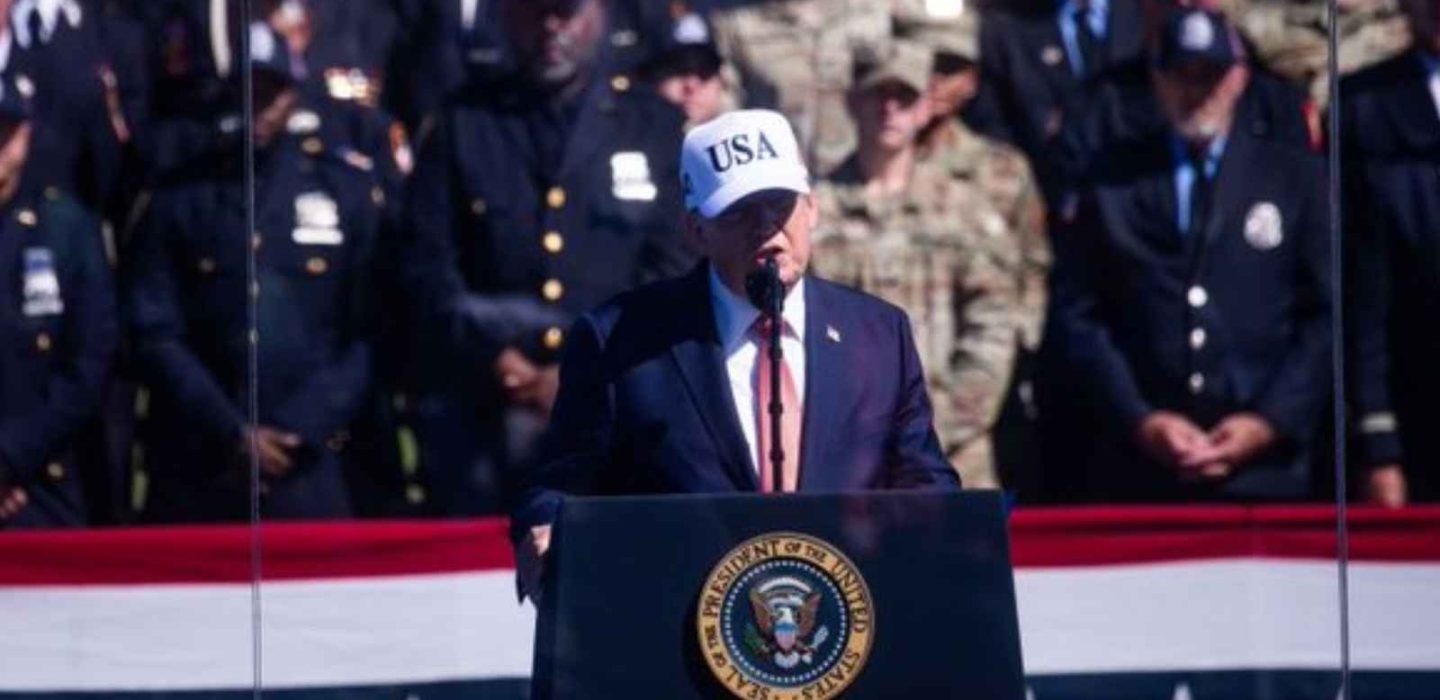

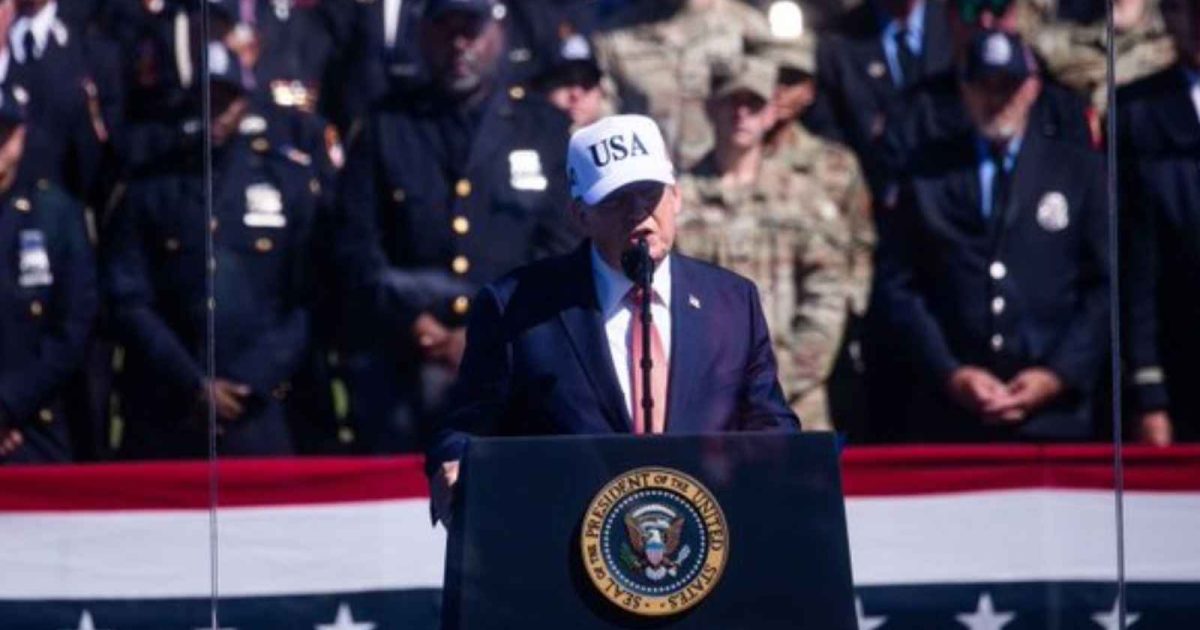
President Donald Trump’s prediction that the Iran conflict could end after the November midterm election is drawing attention as drivers watch fuel prices, but current data shows gasoline costs remain far above the level he described.
President Donald Trump said he believes the war with Iran will end “immediately after” the November midterm election, while also predicting that oil prices would drop afterward.
Trump made the comments on Sept. 9 while speaking with reporters at Joint Base Andrews before leaving for the GOP convention in Dallas. During the exchange, he said, “I think the war is going to end immediately after the election.”
The president also predicted that oil prices would decline after the election, saying, “Right after the election, oil prices are going to be tumbling downward.” He added that gasoline prices could eventually fall below $2 per gallon, but he acknowledged that a drop at the pump could take longer than the midterms.
For drivers in Washington, the comments come as gasoline prices remain well above the level Trump mentioned. According to the U.S. Energy Information Administration, Washington’s average price for regular gasoline was $5.483 per gallon on Sept. 7. The national average was $4.157 per gallon during the same period.
Trump’s prediction is not a confirmed outcome.
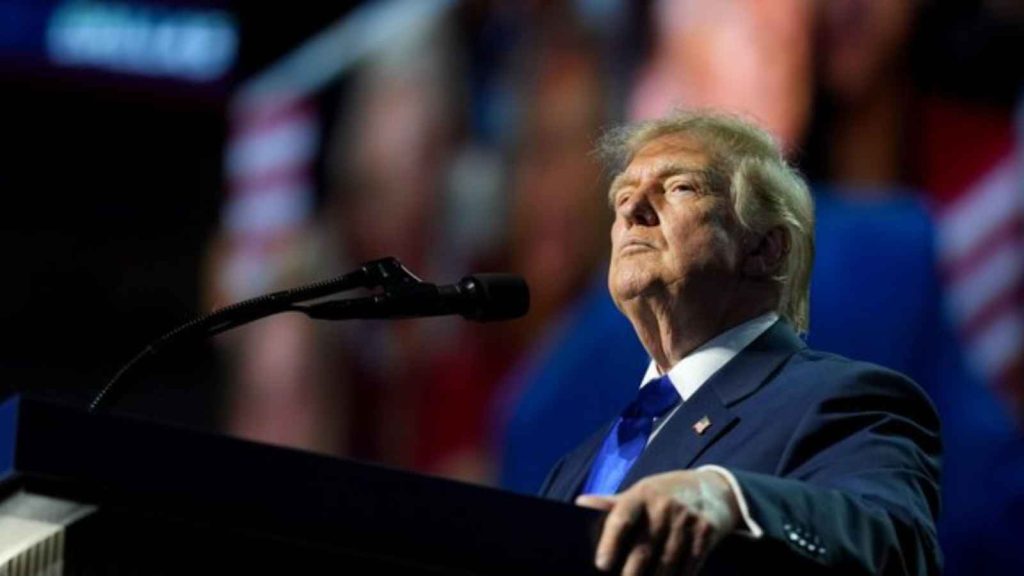
The biggest question is whether Trump’s comments describe an expected development or a guaranteed event. The available reporting confirms that Trump made the statement, but it does not show that Iran has agreed to end the conflict after the election.
Trump also alleged that Iranian leaders were trying to influence the U.S. election by continuing the conflict. He said Iran was “desperate to try and affect the election” so the country would choose “a nice group of weak people.”
The reporting reviewed did not present evidence to support that claim. No Iranian statement, intelligence assessment, or government finding supported the allegation.
The distinction matters because fuel markets often react to many factors, and a political prediction does not automatically change prices. Trump’s comments describe what he expects to happen, not what has already been agreed upon.
The reporting also noted that Trump said a deal was possible but that the United States was not seeking to restart negotiations. That does not represent a confirmed settlement or a formal agreement between the countries.
Related: Trump Threatens to Seize Iran’s Oil Hub as Ceasefire Falters, Raising Global Stakes
Washington drivers are watching prices closely.
The local impact is clear for Washington residents who continue to face higher fuel costs. Federal data shows the state’s average gasoline price is significantly above both the national and regional averages.
Washington’s Sept. 7 gasoline average of $5.483 per gallon was higher than the national average of $4.157.
The West Coast average was $5.362, while the West Coast excluding California averaged $4.975.
At Washington’s current average, reaching Trump’s stated possibility of gasoline below $2 per gallon would require a major decline. The comparison shows a difference of more than $3 per gallon, but it does not forecast future prices.
The Energy Information Administration notes that several factors, including crude oil costs, refining, distribution and marketing, and taxes, influence gasoline prices. That means a drop in global oil prices would not necessarily create an identical drop at Washington gas stations.
For local drivers, the timing and size of any future price changes remain uncertain. Current government data reflects the prices being paid today, while Trump’s comments describe a possible future scenario.
What happens next could shape the conversation around fuel costs.
Trump’s comments have focused attention on two connected issues: the future of the Iran conflict and the cost of gasoline for American consumers.
If the conflict changes after the midterm election, energy markets could respond, but the effect on drivers will depend on how different parts of the fuel system react.
A lower oil price does not automatically guarantee a matching reduction at local gas stations.
For now, the verified information remains limited to Trump’s prediction and the latest fuel price data. The president said he expects the conflict to end after the election believes oil prices will decline, and said gasoline prices could take longer to fall.
Washington drivers will continue watching both international developments and local pump prices as the situation unfolds. Until an official agreement or measurable market shift occurs, gasoline prices remain uncertain.
Other Posts You Might Like.
- Trump Announces Iran Ceasefire Deal as Strait of Hormuz Reopens
- U.S. and Iran Trade Strikes After Apache Helicopter Downing Near Strait of Hormuz
If you like what you just read, then subscribe to our newsletter and follow us on social media.
