A room without natural light does not have to feel empty. Some houseplants can bring life to low-light indoor spaces and thrive away from bright windows.
Many homes have rooms with limited or no sunlight. Bathrooms, offices, hallways, and interior spaces may not get the same natural light as other parts of a house, so plant selection matters.
Low-light conditions can affect indoor plants, and choosing plants suited for dim areas can make it easier for homeowners to care for greenery indoors. According to university extension guidance, some houseplants are better adapted to lower-light environments than others.
For people looking to add plants to darker corners of their homes, these nine options are commonly recognized as good choices for low-light spaces.
Why low-light plants matter for indoor spaces
Not every area in a home receives strong sunlight. Some rooms may rely on artificial lighting or have limited window access, creating challenges for traditional houseplants.
Low light does not mean no care is required. Indoor plants still need attention, and their growing conditions can affect how they develop. Choosing a plant that matches the environment can help homeowners create a better space for indoor greenery.
Before choosing a plant, consider how much light the room gets. Different plants respond differently to indoor conditions, and some varieties suit dimmer areas better.
Here are nine houseplants that are often considered for low-light areas.
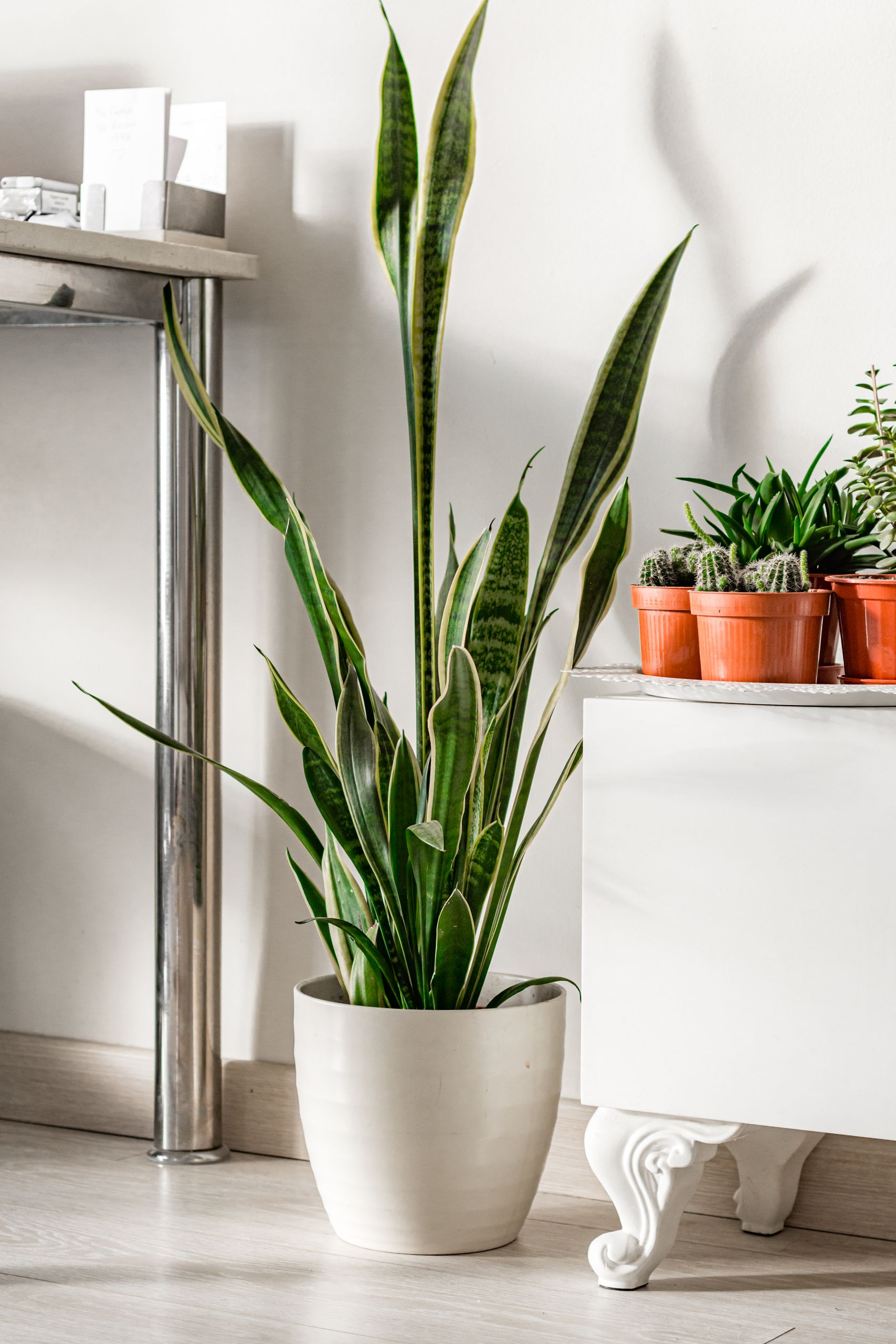
Snake Plant
Image credit: by Nadiye Odabaşı/pexels
The snake plant is a popular indoor choice for areas with limited bright sunlight. Its structured leaves can add a simple, clean look to different rooms.
Because it is commonly associated with low-light environments, it is often considered for spaces where other plants may struggle. You can place it in areas that do not receive direct sunlight.
For homeowners looking for a plant with a strong visual shape, the snake plant offers an option that fits many interior styles.
ZZ Plant
The ZZ plant is another houseplant often selected for indoor spaces with limited light. Its appearance adds greenery to rooms where natural sunlight isn’t always available.
Its ability to grow in low-light conditions makes it a good fit for areas such as offices or rooms farther from windows.
The ZZ plant can be a practical choice for people who want to include plants in spaces with limited light.
Cast-Iron Plant
Image credit: by Feyza Yıldırım/pexels
The cast-iron plant is known for handling low-light conditions. It is often considered for indoor areas where sunlight may be less consistent.
Its name reflects its reputation as a durable indoor plant option. For homeowners looking for plants for darker rooms, it’s one option to consider.
The cast-iron plant provides another way to introduce natural elements into indoor spaces.
Chinese Evergreen
Chinese evergreen is another plant commonly associated with low-light interiors. Its leaves can add color and texture to rooms that need more greenery.
Consider it for areas with limited direct sunlight. Like other indoor plants, place it where it matches the room’s conditions.
For homeowners decorating interior spaces, Chinese evergreen offers a different appearance from many traditional green plants.
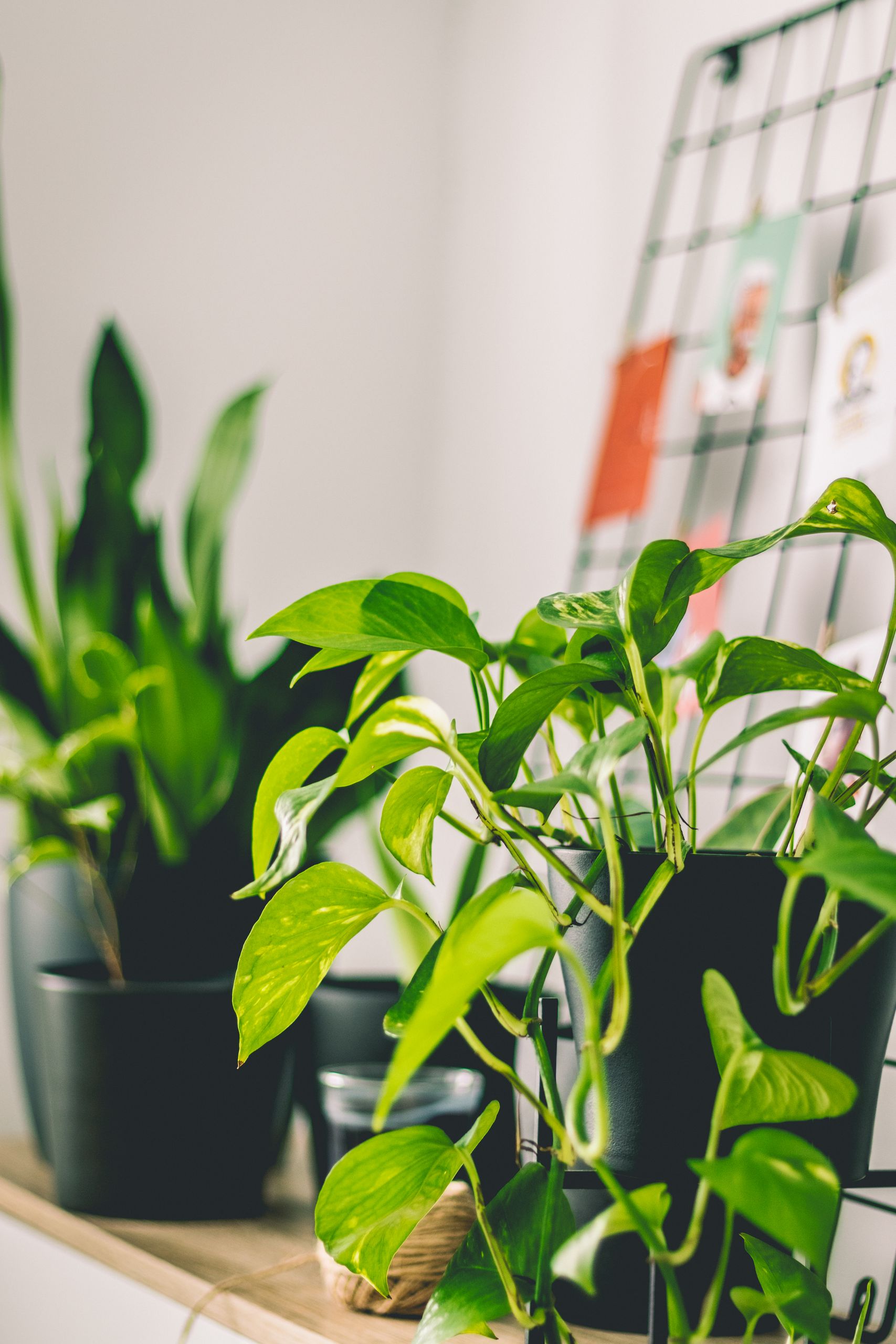
Pothos
Image credit: by Ja Kubislav/pexels
Pothos is a familiar indoor houseplant. It suits lower-light areas, making it a good option for rooms without strong natural light.
Its trailing growth style can work well in different indoor arrangements. Homeowners can place it in various locations based on their preferred design.
For people adding plants to smaller or darker spaces, pothos remains a commonly considered choice.
Heartleaf Philodendron
Heartleaf philodendron is another indoor plant that works well in low-light areas. Its leaves create a soft look that complements different home interiors.
Homeowners often choose this plant when they want to add greenery without placing plants directly beside bright windows.
Its simple look makes it a versatile option for many indoor spaces.
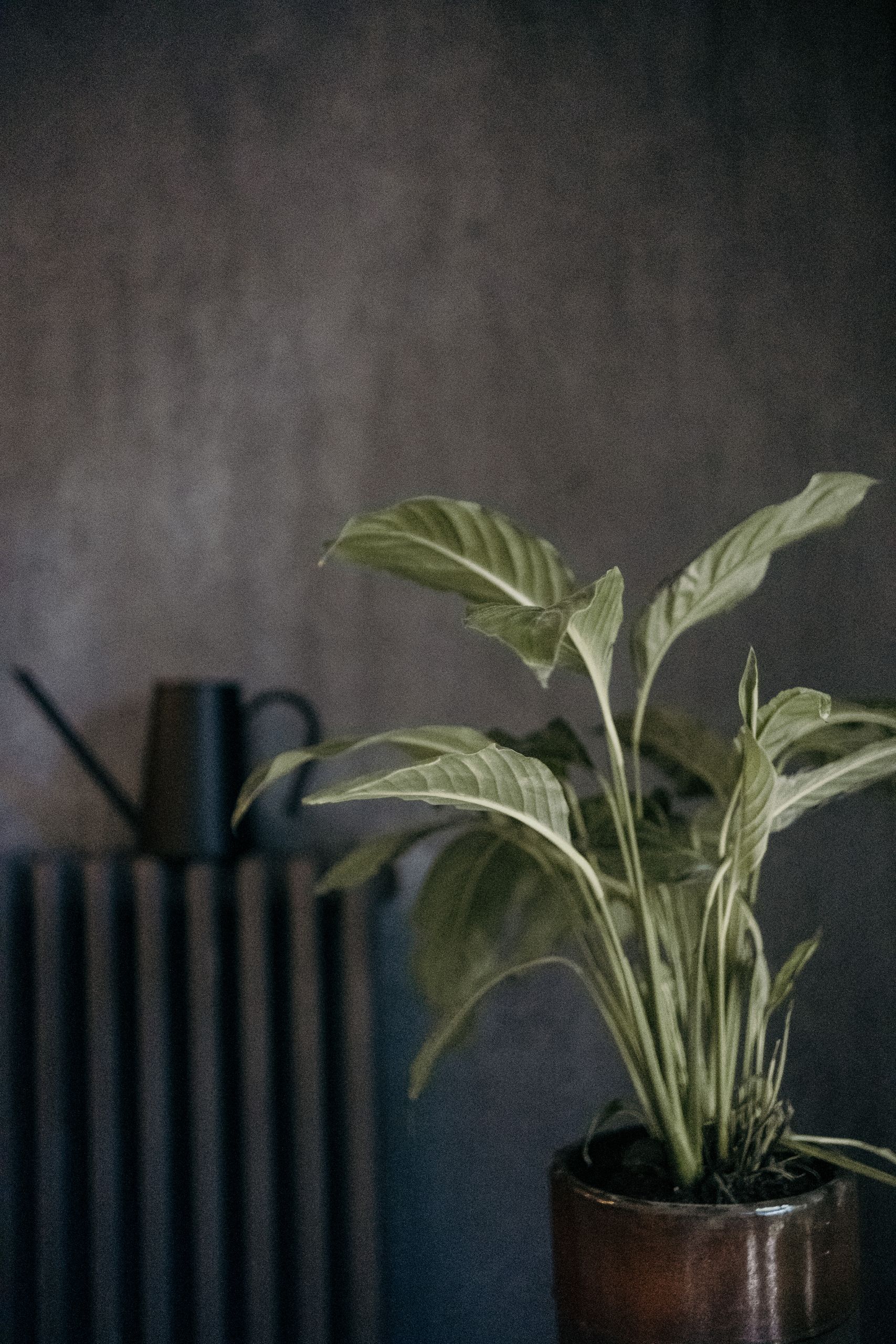
Peace Lily
The peace lily is among the houseplants often chosen for lower-light environments. Its appearance makes it a popular indoor option for homeowners who want plants in rooms with less natural brightness.
Like all houseplants, it still requires appropriate care and attention based on its growing conditions.
For interior spaces that need greenery, the peace lily can provide another option to explore.
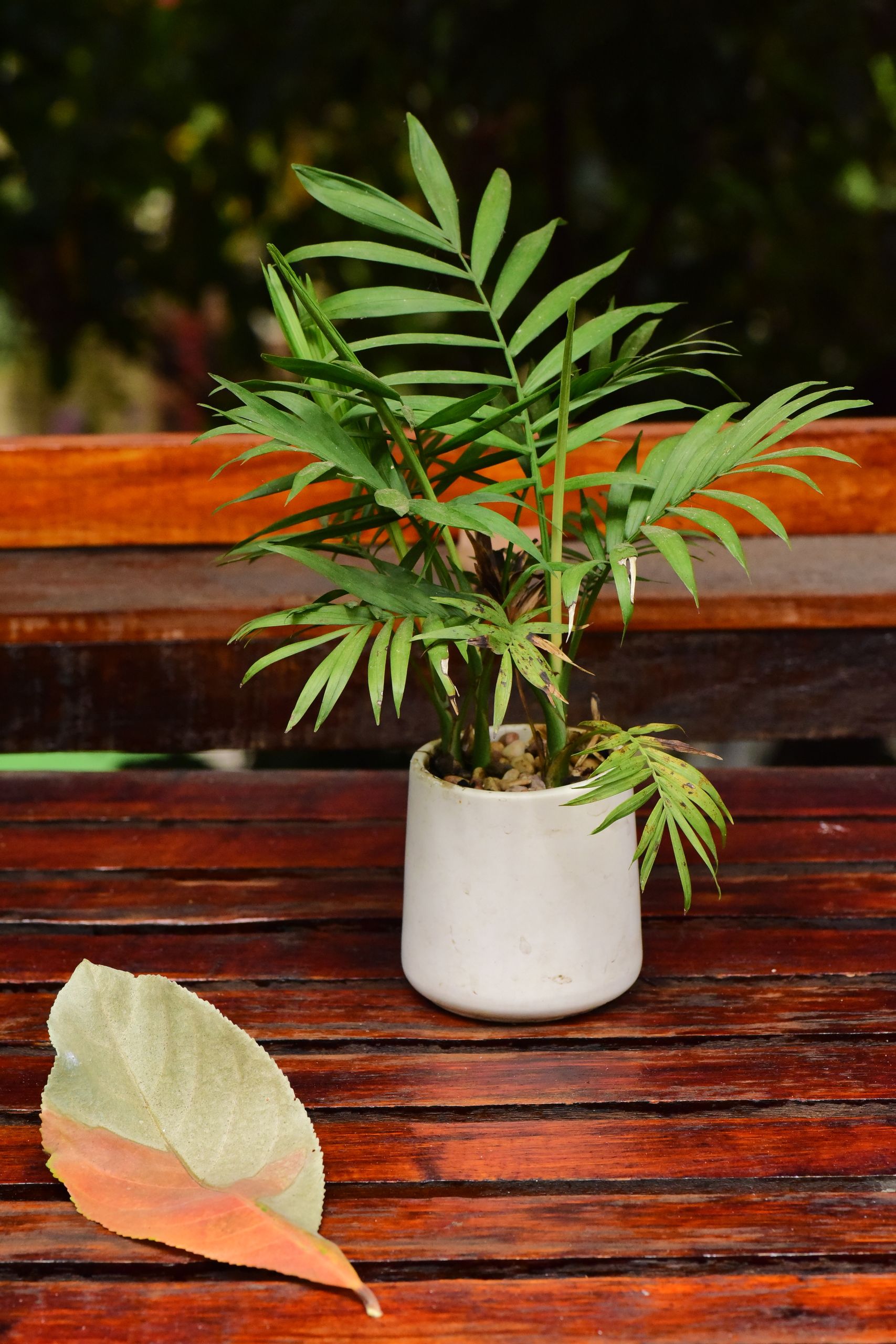
Parlor Palm
Image credit: by Sóc Năng Động/pexels
The parlor palm is a houseplant that can work well in indoor areas with limited light. Its palm-like appearance can bring a different style compared with smaller leafy plants.
It can work well in spaces where homeowners want a larger plant presence without relying on strong sunlight.
The parlor palm adds variety to the list of indoor plants suited for lower-light conditions.
Bird’s-Nest Fern
Bird’s-nest fern is another option for homeowners exploring plants for dim indoor areas. Its unique leaf shape gives it a different appearance from many common houseplants.
Consider it when decorating rooms with limited sunlight but a natural touch.
Adding greenery to a windowless room requires thoughtful plant selection. While these nine houseplants are often considered for low-light areas, homeowners should still pay attention to each plant’s specific needs and their home’s conditions.
For anyone looking to brighten an interior space, choosing the right plant can be the first step toward creating a more inviting room. A windowless area may have fewer lighting options, but the right greenery can still become part of the home’s design.