
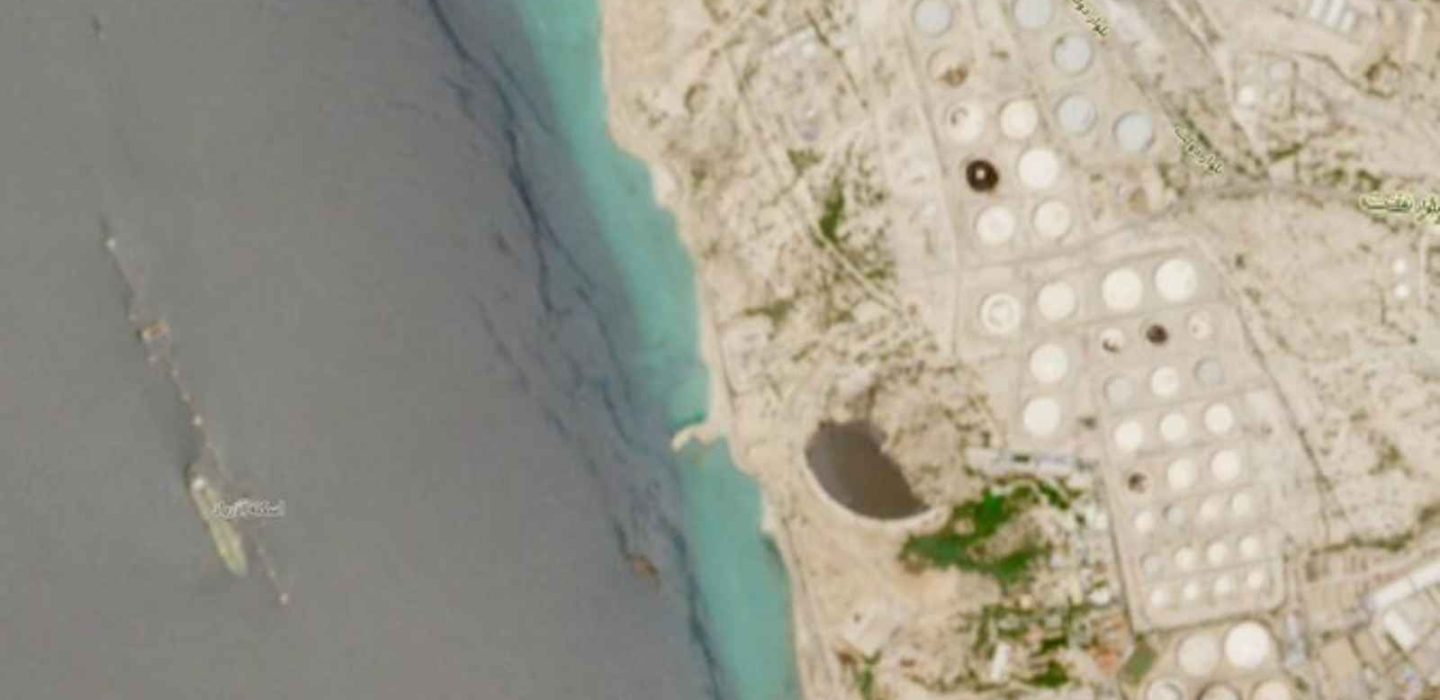

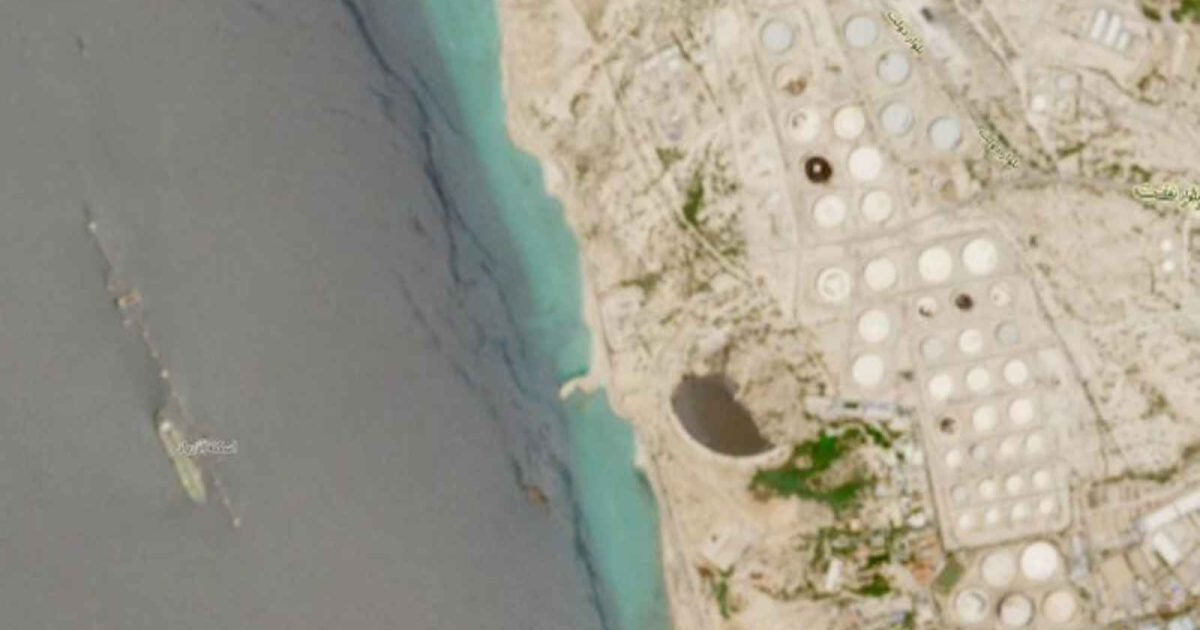
A new wave of attacks in the Middle East has caused concerns about another pressure point for global oil supplies, as violence in southern Saudi Arabia adds to existing worries around key shipping routes.
The latest disruption does not mean a major oil route has been closed, but it highlights how quickly regional conflicts can create uncertainty for energy markets. For US consumers, the concern is less about an immediate shortage and more about how prolonged risks could affect global oil prices, shipping costs and refining expenses.
Houthi attacks disrupt parts of Saudi Arabia’s energy sector.
Saudi authorities said Houthi attacks struck several areas in southern Saudi Arabia on Sept. 8, including Abha, Khamis Mushait, Jazan and Najran. The attacks reportedly injured 73 people, including women and children, according to Saudi officials cited by Reuters and the Associated Press.
Saudi Arabia’s Energy Ministry said fires broke out at several energy-sector facilities and that some operations were temporarily halted. The statement confirmed disruption at certain facilities, but available reporting does not establish a wider production shutdown.
The Houthis said they launched dozens of ballistic missiles and drones and claimed Aramco facilities were among their intended targets. Houthi military spokesman Yahya Saree made those statements, and Reuters and the Associated Press reported them.
However, some claims about specific facilities remain unconfirmed. Reuters reported it could not independently verify a Financial Times report that Aramco’s Jazan oil facilities were hit, and Aramco had not commented at the time of the report.
The distinction matters because energy markets often react to uncertainty as much as confirmed damage. A reported threat to infrastructure can create concern even when the full impact is still being assessed.
Why another oil route is becoming a concern
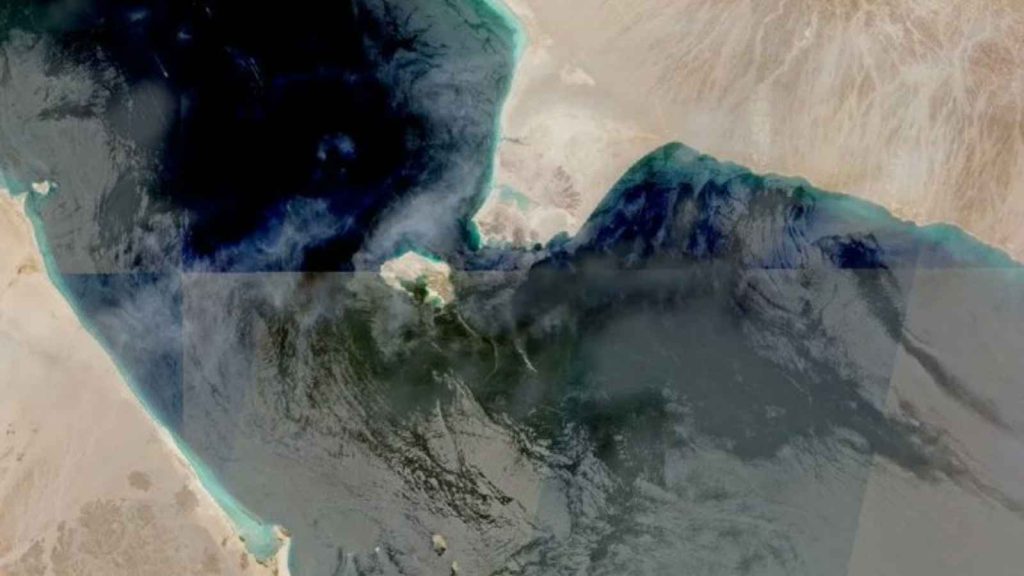
The attacks come as shipping through another important regional route is already under pressure. The Strait of Hormuz, the passage connecting the Persian Gulf to global markets, has drawn increased attention amid wider regional tensions.
A second potential pressure point is Bab el-Mandeb, the strategic waterway connecting the Red Sea and the Gulf of Aden. The route is important for petroleum and natural gas shipments, according to the US Energy Information Administration.
The current situation does not indicate that Bab el-Mandeb is closed. Instead, the concern is that attacks linked to the region’s conflict could increase risks on a route that becomes more important when other shipping channels come under pressure.
Reuters reported that the Houthis have targeted Saudi-linked shipping in the Red Sea after declaring a naval blockade against Riyadh in July. These developments have added another layer of uncertainty for energy markets already watching the region closely.
Oil prices responded after Saudi Arabia’s Energy Ministry statement. Reuters reported that Brent futures rose $1 to $98 a barrel, while US crude increased by more than $2 to $93.65 at the time of the report. Those figures show the market reaction at that moment and should not be viewed as current prices.
Related: Trump’s “Free” Qatar Air Force One Is Going Back to the Shop and Americans Are Stuck With the Bill
What the situation could mean for US consumers
The United States is not facing a confirmed fuel shortage from these events. However, energy markets are globally connected, so disruptions in major producing regions or shipping routes can alter costs past the immediate area.
The Energy Information Administration reported that Middle East Gulf crude accounted for 8% of U.S. crude oil imports in 2025. That means the connection is not only about direct supply as well as about wider market conditions.
Higher crude prices, increased transportation costs, and changes in refinery economics can affect fuel prices. The EIA has noted that elevated crude prices and refinery “crack spreads” result in higher pump prices.
For consumers, the possible effect depends on whether disruptions continue and how markets respond. A short-lived event may have limited effects, while a longer period of uncertainty might create more pressure within energy markets.
For Washington residents, the issue is tied to the larger global oil system instead of a direct dependence on Saudi supplies. Changes in international crude prices, tanker costs or refining expenses can influence fuel costs even in places far from the source of the disruption.
What happens next
The key questions now involve how long the disruptions last, whether more attacks occur and how shipping risks develop around major Middle East routes.
Officials and energy markets will continue watching reports from Saudi Arabia, shipping activity in the Red Sea and developments around the Strait of Hormuz.
At this stage, the confirmed picture is one of increased risk, not a confirmed shutdown of two major oil chokepoints.
For households, the most important takeaway is that global energy markets can react quickly to uncertainty. While there is no verified immediate jump in Washington fuel prices, continued instability could alter costs if oil, shipping, or refining pressures increase over time.
