

The post 9 Amish Gardening Secrets for a Bigger Harvest With Less Work first appeared on Crafting Your Home.
Across roughly 421,200 people living in horse-and-buggy Amish communities in North America as of June 2026, gardening is not a hobby squeezed in after work.
It is a core food-production system for large households, and the Young Center for Anabaptist and Pietist Studies at Elizabethtown College tracks the community’s growth at more than 10,000 people a year, driven largely by families averaging five or more children.
Feeding those households pushed generations of Amish gardeners toward methods that trade machinery and chemical inputs for closer observation and tighter plant relationships.
Several of those methods now appear in peer-reviewed agronomy journals and long-running university trials, decades after Amish growers adopted them out of necessity.
Corn, beans and squash still out-produce solo crops
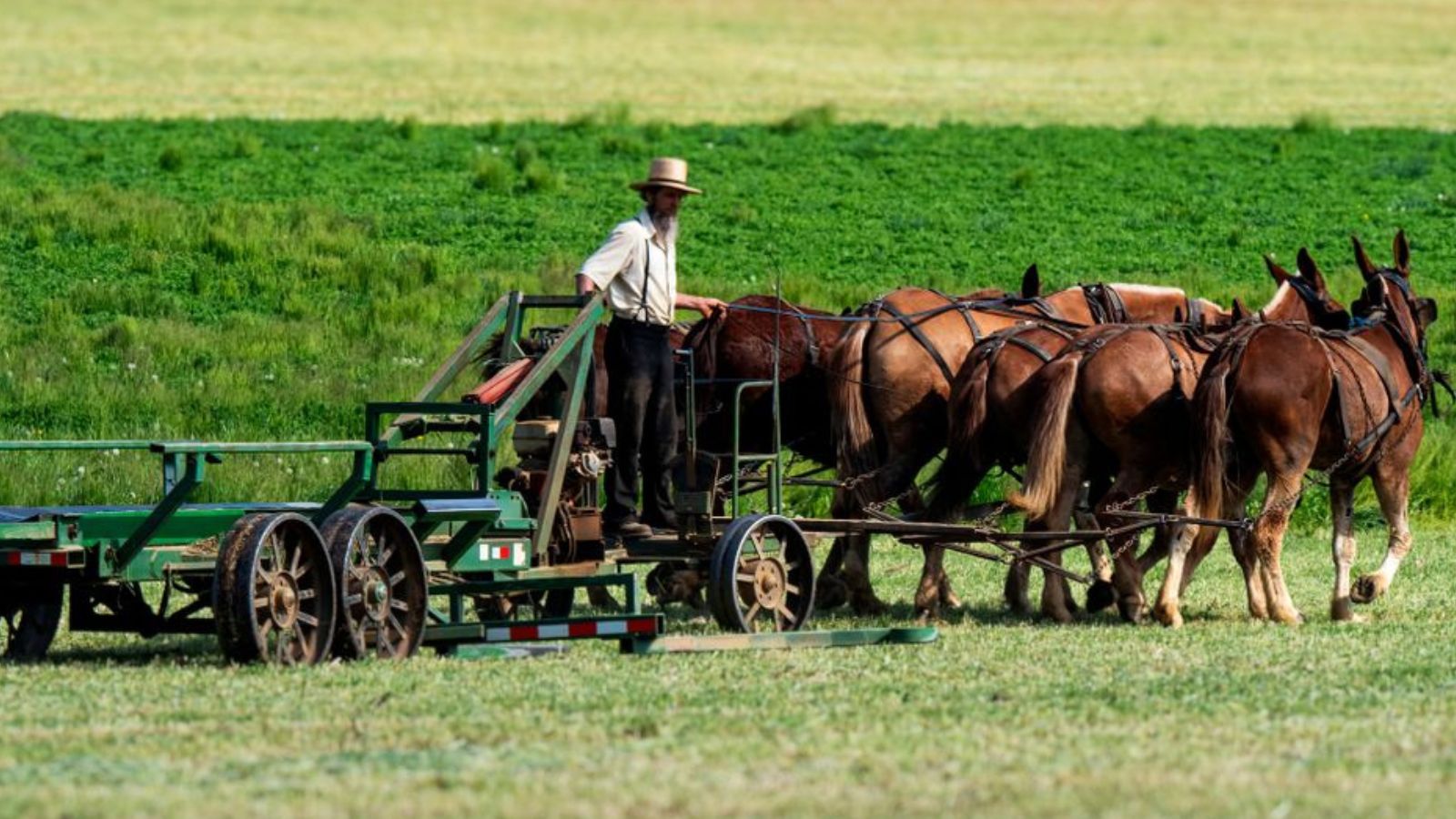
The Three Sisters planting method, developed by Indigenous farmers across North America long before European settlement, pairs corn, pole beans and winter squash in the same bed.
Corn gives beans a living trellis, beans fix atmospheric nitrogen into the soil through bacteria on their roots, and squash leaves shade out weeds while holding moisture. Amish market gardeners commonly plant on this same guild logic, layering crops instead of spacing them into isolated rows.
Not every folk companion pairing survives controlled testing, though the corn-bean-squash nitrogen exchange is one of the few that does.
Shared labor turns big garden jobs into short ones
Mutual aid extends past barn raisings into planting, harvesting and canning, with neighboring families rotating through each other’s gardens during the heaviest labor windows.
What takes one household a full week alone gets finished in an afternoon with six or eight extra sets of hands. The practice also functions as a knowledge exchange, passing plant varieties and techniques between farms as naturally as the labor itself moves between them.
Saved seed adapts to the same plot year after year
Seed Savers Exchange, founded in Decorah, Iowa in 1975 by Diane Ott Whealy and Kent Whealy, now stewards more than 20,000 heirloom varieties at its Heritage Farm, many donated by families who saved them across generations.
Amish households follow the same logic on a smaller scale, replanting seed from their strongest producers rather than buying new stock annually.
Over repeated seasons, saved seed drifts toward whatever soil, rainfall and pest pressure exist on that specific plot, producing plants already adapted to a garden’s particular quirks before a single fertilizer bag gets opened.
A layer of mulch replaces a season of weeding
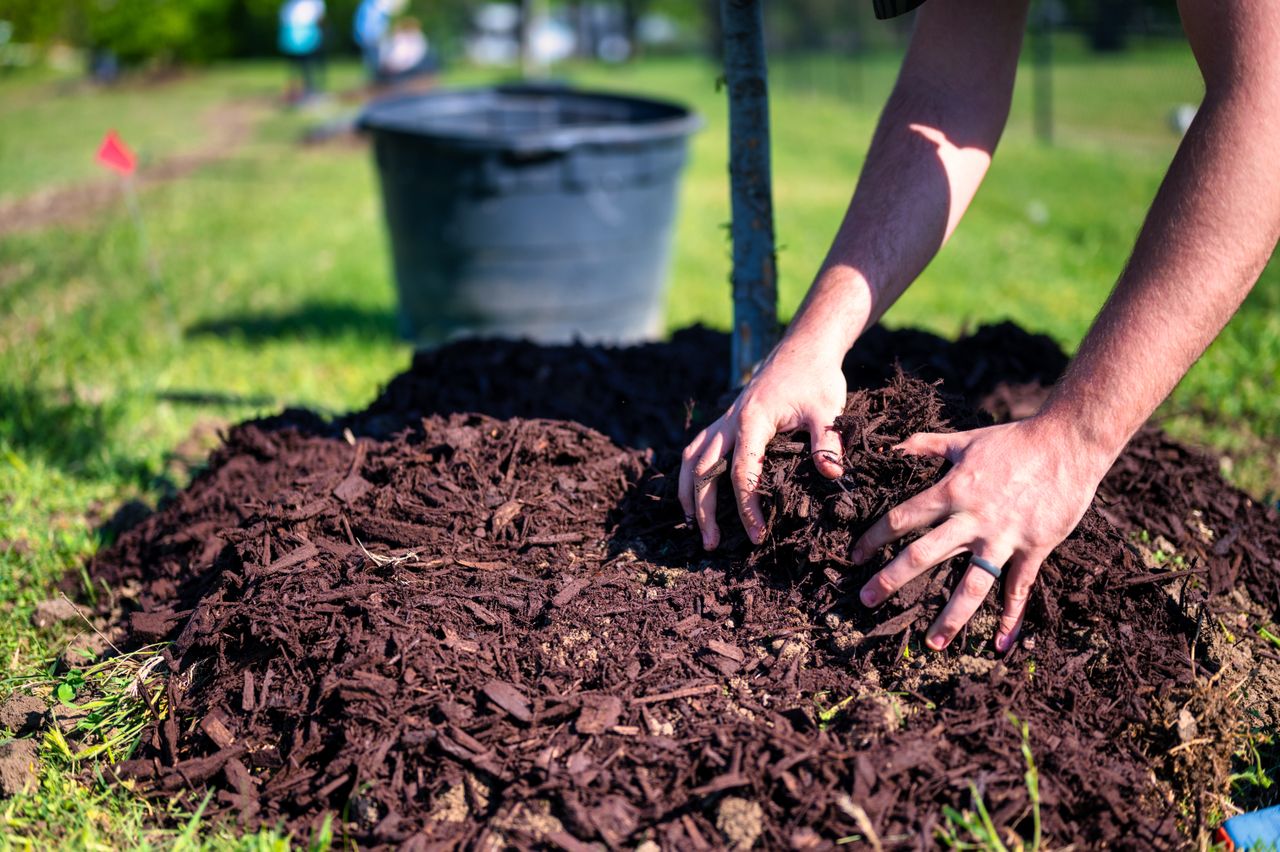
Straw, spoiled hay and old leaves get spread thickly between rows on many Amish garden plots, smothering weed seedlings before they reach sunlight while holding soil moisture through dry stretches.
As the mulch breaks down, it adds organic matter back into the bed, so the same material that suppresses weeds in July feeds next year’s soil by autumn. It’s a one-time task that pays off for months.
Livestock manure closes the loop instead of leaving it open
Diversified Amish farms often combine livestock and crop production, allowing manure to serve as a nutrient source for fields and vegetable crops.
Research on Old-Order Amish operations found that manure is commonly used in crop production, reflecting the integrated nature of these small, diversified farms.
Manure-based compost returns organic matter and slow-release nutrients to soil that synthetic fertilizer does not replace.
Because the animals are already on the property for dairy, meat or draft power, the fertility cycle costs nothing extra beyond the labor of turning a compost pile.
Staggered sowing keeps one bed working all season
Rather than planting an entire crop at once, succession planting puts small batches of the same vegetable in the ground every one to two weeks, so lettuce, beans or radishes mature in a rolling sequence instead of a single glut.
Large Amish households feeding themselves through canning season lean on this rhythm to avoid both empty beds early on and an unmanageable harvest crunch later. The same bed produces two or three crops across a growing season instead of one.
Tight spacing forces the soil to do more with less room
Amish and Mennonite market gardens frequently favor raised, intensively spaced beds over long single rows, packing plants close enough that their leaves touch at maturity.
The tighter canopy shades out weeds before they establish, cutting hand-weeding time even though the growing area produces more food per square foot.
Less exposed soil also means less water lost to evaporation between waterings.
Hand tools protect soil structure that tillers disturb
Amish farming’s reliance on horsepower and hand implements over diesel equipment extends into the garden, with a preference for hoes, broadforks, and hand cultivators over rototillers.
Repeated mechanical tilling breaks up the fungal networks and pore structure that let water and air move through soil. Turning beds by hand takes longer per session, but it preserves a soil structure that keeps rebuilding itself instead of needing repair every spring.
Cold frames stretch a short growing season on both ends
Simple glass- or plastic-covered frames built low to the ground trap solar heat, letting Amish gardeners in colder settlements such as those in New York and Michigan start seedlings weeks before the last frost and hold hardy greens weeks past the first one.
The structures cost little beyond scrap lumber and old windows, which matters in communities where purchased infrastructure is used sparingly.
A single frame can add a month of harvest on each side of the traditional season.
Other posts you might like:
- Tomato Season Is Almost Over: 5 Things to Do in September for a Bigger Final Harvest
- 7 Easy, Fast-Growing Vegetables You Can Harvest in Almost No Time


