

The post 5 Designer Tricks That Make a Small Living Room Feel Twice as Big No Shopping Required first appeared on Crafting Your Home.
Not every small living room problem needs a solution with a price tag attached.
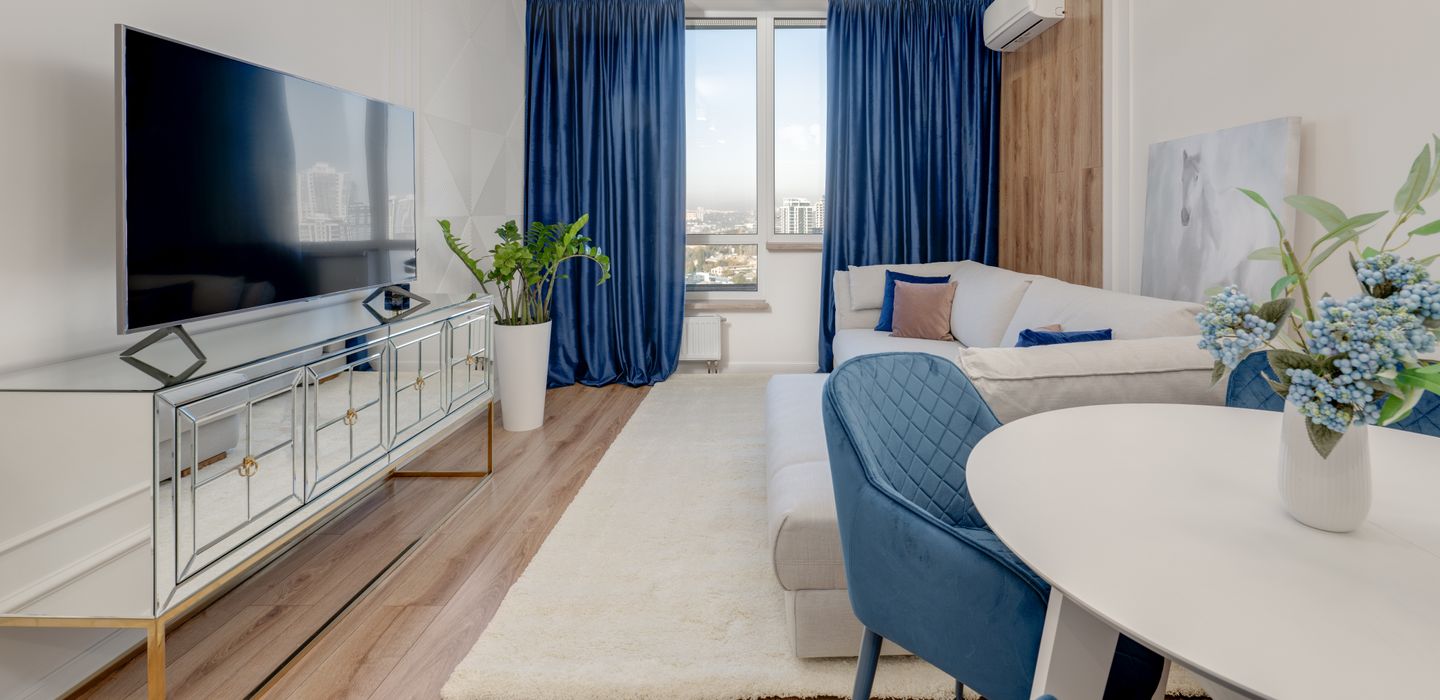
Before you start eyeing a new sectional or a slimmer coffee table, designers say there’s a lot you can do with what’s already sitting in your room. A little rearranging, a mirror in the right spot, and some smarter lighting can genuinely change how spacious a room feels; no furniture shopping trip required. Here are five ways to do it.
Let Light Do the Heavy Lifting
Add a mirror to double the room.
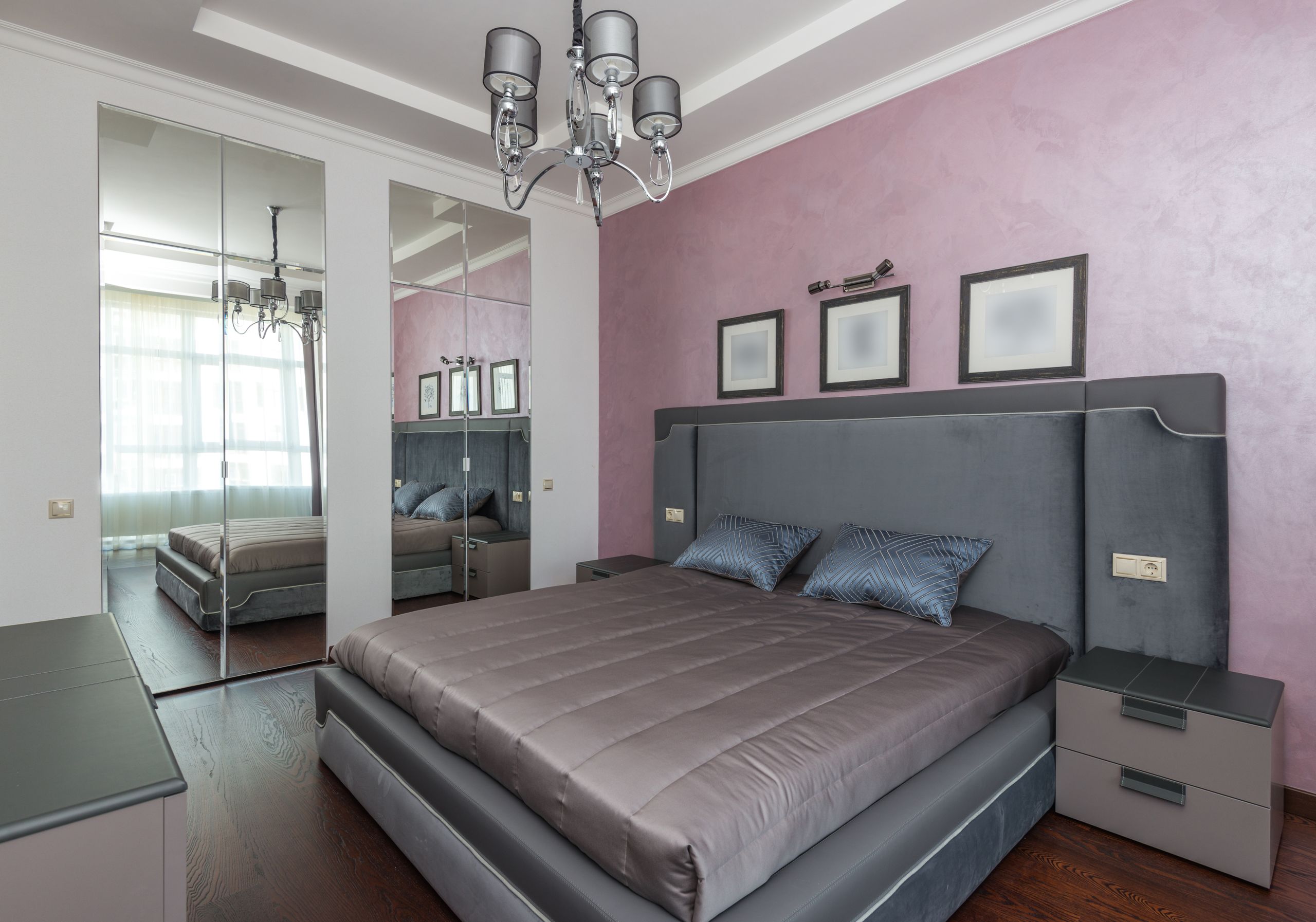
This is one of the oldest tricks in the book for a reason; it actually works. Charlotte-based interior designer Margaret Fisher recommends using a mirror specifically to bounce light around a small space. “A mirror is also a good tool for reflecting lights where you don’t have a window,” Fisher said. Interior designer Tara McCauley takes it a step further, pointing out that mirror placement can also play with a room’s perceived height, not just its width. “A tall piece of art or a beautiful, grand mirror can emphasize the height of the ceiling and trick the eye into perceiving the room as larger,” McCauley explained. If you already own a mirror sitting unused in a bedroom, hallway, or closet, now is the time to move it above your sofa or across from your main window.
Related: 10 Best Plants for Rain Gardens to Combat Runoff and Erosion
Layer your existing lighting instead of relying on one overhead fixture.
According to Fisher, natural light should be your first move: pull back heavy curtains and let as much daylight in as the room allows. But daylight alone usually isn’t enough to keep a small space from feeling dim and boxed-in once the sun goes down. Fisher recommends supplementing lighting placed strategically in the darker corners of the room, using lamps you already own rather than buying new pieces. The goal isn’t lighter everywhere; it’s even light, so no single corner of the room reads as a shadowy dead zone that makes the whole space feel smaller and more cramped than it is.
Rethink the Layout You Already Have
Fix your furniture circulation path, not the furniture itself.
Joshua Jones, founder of JJones Design Co.and a virtual interior designer whose work has been featured in Architectural Digest and House Beautiful, says layout problems are often mistaken for furniture problems. “In narrow rooms, especially, circulation is everything,” Jones explained. “If someone has to angle their body to walk through the space, it will always feel tight.” His advice doesn’t involve buying anything new; it’s about experimenting with how you arrange your existing pieces. According to Jones, once movement through a room feels easy and unobstructed; the whole space reads noticeably larger, even though nothing about its actual square footage has changed. Try pulling furniture slightly away from walls, angling a chair to open a walking path, or simply testing a different traffic flow before assuming you need smaller pieces.
Related: 13 Small Mudroom Ideas That Maximize Style and Function
Don’t crowd the room with more than it needs.
It’s tempting to fill every open corner of a small living room, but designers consistently point out overcrowding as one of the biggest space-killers. According to home design guidance from The Home Depot, a cluttered look- extra side tables, too many decorative objects, ornate accessories- makes a limited space feel busier and smaller than a more pared-back version of the same room. This doesn’t mean stripping the room bare. It means being selective about what stays visible versus what gets tucked into a drawer or cabinet, letting the pieces that matter breathe instead of competing for attention.
Related: 17 Rapid Growth Shrubs to Transform Your Yard into a Lush, Private Oasis
Use Height and Texture to Trick the Eye
Draw the eye upward instead of across the room.
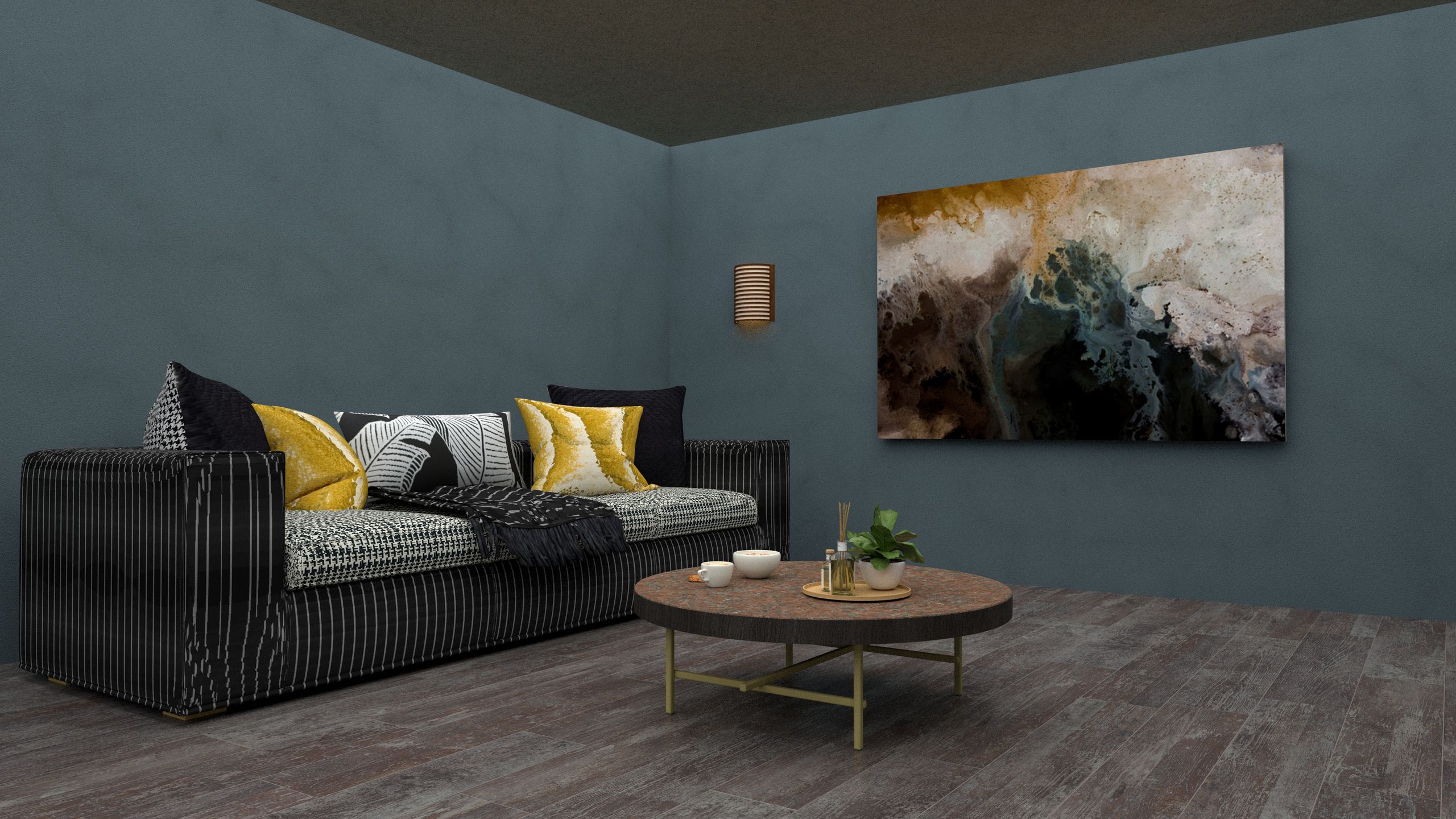
When a room is short on floor space, designers often say the fix is to redirect attention vertically. Fisher’s advice is specific: hang curtains close to the ceiling rather than directly above the window frame, letting the fabric extend the wall’s visual line upward. “Draw the eye up, especially if you have low ceilings,” Fisher said. “Long curtain panels are great for layering texture and pattern and creating a softness.” If you already own curtains, this can be as simple as reinstalling the existing curtain rod a few inches higher. The room’s actual dimensions don’t change, but the eye reads the taller sightline as a bigger, airier space rather than a cramped one.
None of these five fixes require a shopping cart or a new delivery truck pulling outside. According to the designers behind them, a small living room rarely needs more stuff to feel bigger; it usually just needs the stuff it already has arranged, lit, and positioned a little more thoughtfully. Sometimes the most spacious version of a room was sitting right there the whole time, just waiting for the furniture to get pushed six inches to the left.
Other Posts You Might Like
- 17 Rapid Growth Shrubs to Transform Your Yard into a Lush, Private Oasis
- 7 Everyday Appliances That Are Silently Increasing Your Water Costs
- 10 Best Plants for Rain Gardens to Combat Runoff and Erosion
- 13 Small Mudroom Ideas That Maximize Style and Function
If you like what you just read, then subscribe to our newsletter and follow us on social media


