The post 10 reasons a TV wall can transform your living room first appeared on Crafting Your Home.
Your television does not have to be the awkward black rectangle that takes over the entire room. A well-designed TV wall can turn a basic entertainment setup into a stylish, organized, and functional part of your home. For years, many living rooms treated the TV as an afterthought. A screen sat on a stand, cables stayed visible, and the surrounding wall stayed empty. Today, homeowners are finding creative ways to make the television feel like part of the overall design, not something that interrupts it.
A TV wall can be simple or dramatic. It may be a painted feature wall with hidden cables, a wood-panel backdrop, built-in shelving, cabinets, lighting, or a complete media wall. The goal is not just to make the room look expensive. It is to create a space that works better for everyday life.
It creates a natural focal point.
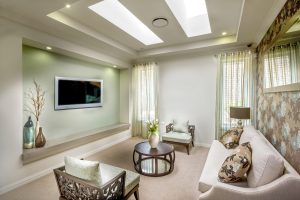
Every room benefits from having a visual anchor. A thoughtfully designed TV wall gives the living room a clear center and helps other pieces, such as sofas, rugs, coffee tables, and decorations, feel connected. Instead of allowing the television to sit alone on a blank wall, a feature design can make it feel intentional. Wood panels, painted niches, shelving, or a simple textured backdrop can turn the screen area into a complete composition.
The trick is remembering that style should not come before comfort. A beautiful TV wall can still fail if the screen is mounted too high or positioned where glare becomes annoying. Design experts recommend planning the television placement around seating comfort and viewing angles first.
It helps hide the “black box” effect.
A large dark screen can dominate a room when it is switched off. A TV wall softens that impact by helping the television blend into the surrounding design. One easy solution is using deeper wall colors like charcoal, navy, or forest green behind the screen. These shades reduce the sharp contrast between the television and the wall, making the display feel more connected to the room.
Other homeowners choose recessed screens, framed televisions, sliding panels, or built-in cabinets that let the TV disappear when it is not in use. Houzz examples show how darker surrounds and concealed designs can make entertainment areas feel more like part of the home’s architecture.
It removes cable clutter.

Few things ruin a clean modern look faster than tangled cords hanging beneath a television. A well-planned TV wall solves this problem by hiding cables and creating dedicated spaces for equipment. A proper setup can include concealed wiring, recessed outlets, cable management systems, and storage areas for gaming consoles or streaming devices. This creates a cleaner appearance and makes the room feel more finished.
Safety matters here. Do wall mounting and electrical changes carefully, especially when installing outlets or running cables inside walls. Proper support, correct mounting, and professional help for complicated electrical work can prevent problems later.
It adds smart storage.
A TV wall can do more than hold a screen. It can also store books, games, blankets, remotes, toys, and other everyday items.
Instead of filling the room with separate furniture pieces, homeowners can combine cabinets, shelves, and entertainment equipment into one organized area.
Closed cabinets hide clutter, while open shelves provide space for books, artwork, plants, and personal decorations. Houzz and Better Homes & Gardens highlight storage-focused media designs that combine display space with practical organization.
It makes small rooms work harder.
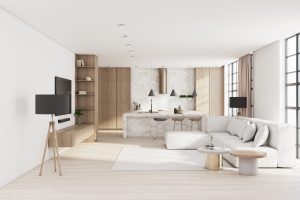
Small living rooms often struggle with bulky furniture. A TV wall can help by using vertical space and freeing up valuable floor area.
Floating cabinets, shallow shelving, and wall-mounted screens can create a more open feel while still providing storage. Instead of adding more furniture, homeowners can make one wall handle multiple jobs.
The key is avoiding an overcrowded design. A smaller room usually benefits from simple materials, clean lines, and enough space to keep the area comfortable.
It improves the room’s lighting.
Lighting can completely change how a living room feels. A TV wall creates opportunities for layered lighting that makes the space warmer and more flexible. LED strips behind panels, shelf lighting, wall sconces, and dimmable fixtures can add atmosphere without creating distracting reflections on the screen.
A stylish setup does not require flashy lights. Soft, well-placed lighting often creates a more relaxing, modern look. Houzz recommends combining different lighting sources so rooms can support watching television, reading, relaxing, and entertaining.
It adds texture and personality.
A plain wall can feel unfinished, especially around a large television. Adding materials like wood slats, painted panels, plaster finishes, or stone-inspired textures creates depth. The best designs usually avoid mixing too many competing features. One strong material choice often makes a bigger impact than combining every trend at once.
A warm wood panel, textured paint finish, or simple built-in design can give a room a custom feel without overwhelming it.
It balances technology with your style.
A living room should show personality, not just technology. Shelves, artwork, books, plants, and decorative pieces help the television feel like one part of the room. The goal is balance. A large screen has strong visual weight, so thoughtful décor around it helps create harmony.
A few carefully chosen items usually work better than filling every shelf. Clean styling keeps the space attractive while preventing more clutter.
It creates a multifunctional space.
Modern homes often need rooms to serve several purposes. A TV wall can combine entertainment, storage, display areas, and even a small workspace. This is especially useful in apartments and open-plan homes, where every section of the room needs to work harder.
With smart planning, one wall can support movie nights, family activities, work tasks, and everyday organization without feeling crowded.
It gives your home a finished look.
The biggest benefit of a TV wall may be how it brings everything together. When colors, materials, lighting, and furniture connect, the room feels more intentional. A modern TV wall does not need to be huge or expensive. Even a simple painted backdrop, floating cabinet, and hidden cables can make a noticeable difference.
The best designs focus on comfort first, then style. When planned properly, a TV wall becomes more than a place for entertainment. It becomes a feature that helps your entire living room work better.
Other Posts You Might Like
- items-happy-people-avoid-keeping-in-their-living-rooms
- 10-reasons-netflix-removing-babylon-feels-like-the-final-humiliation-for-an-87-million-hollywood-gamble
If you like what you just read, then subscribe to our newsletter and follow us on social media.