


The post 10 Everyday Technologies That Quietly Made Us Less Patient first appeared on Crafting Your Home.
Waiting used to be a normal part of life. Today, a few seconds can feel like a major inconvenience. A slow-loading page, an unanswered text, or a delivery that takes longer than expected can test our patience in ways people from previous generations rarely experienced.
Technology has made life easier in countless ways. We can communicate instantly, order almost anything from our phones, and find answers within seconds.
But researchers have also explored how constant speed and convenience may shape our expectations, attention, and tolerance for delays.
Here are 10 everyday technologies that may have changed the way we experience waiting.
Smartphones made boredom harder to tolerate

The smartphone is probably the biggest symbol of the instant world. One small device replaced cameras, maps, music players, calendars, and computers while putting entertainment and communication at our fingertips. The downside is that many people now struggle with moments of silence. Waiting in an elevator, sitting at a red light, or standing in line often leads to an automatic phone check.
Research has linked heavy smartphone use with changes in attention patterns. One study involving college students found a negative relationship between smartphone use intensity and attention span. The good news is that smartphones are still valuable tools. The challenge is learning when to put them down and allow the brain a little quiet time.
Texting created pressure to answer immediately
Remember when people could wait hours or even days for a response? Messaging apps changed that completely.
Features like read receipts and “last seen” indicators created a new social expectation. Many people now assume that seeing a message means a reply should follow quickly.
Research on instant messaging shows these features can create pressure to respond immediately.
A delayed reply can suddenly feel personal, even when someone is simply busy. Sometimes giving people space to respond is healthier than expecting constant availability.
Fast shipping changed what “quick delivery” means

Online shopping transformed the way people buy things. Services offering one- or two-day shipping made waiting several days feel unusually long. Researchers call this the “Amazon effect,” describing how Amazon’s speed and convenience raised customer expectations across many businesses.
The interesting part is that these expectations now affect places that cannot operate like major online retailers. A small business shipping an item in a week may feel slow, even though that timeline was once completely normal.
Convenience improved shopping, but it also changed our patience standards.
One-click shopping shortened decision time
Buying something online used to require more steps. You had to find your wallet, enter information, and think about whether the purchase was really necessary. One-click checkout removed much of that friction. Research on digital shopping environments suggests that easier purchasing systems can shorten the time people spend thinking before buying.
The benefit is obvious for things people already need. The downside is that impulse purchases become easier.
Sometimes a little inconvenience can create a useful pause.
Streaming services removed the need to wait
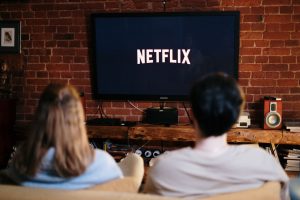
Traditional television taught viewers patience. People waited for a scheduled show or watched episodes week by week.
Streaming changed that experience. Entire seasons became available instantly, allowing people to watch whenever they wanted.
That freedom is one of technology’s biggest advantages.
However, research on on-demand content suggests that instant access may also contribute to lower tolerance for slower entertainment experiences. A slow movie or a show that takes time to develop can now feel frustrating because we are used to immediate excitement.
Short videos trained us to expect constant stimulation
TikTok, Instagram Reels, and YouTube Shorts changed how millions consume content. Instead of choosing one piece of entertainment, people scroll through endless streams of short videos. These platforms deliver quick rewards again and again.
Research has examined how constant scrolling and rapid reward cycles may influence attention and encourage expectations of instant stimulation. The result is familiar: watching a longer video or reading a detailed article can suddenly feel harder than it used to.
GPS made getting lost feel unacceptable
Navigation apps made traveling easier than ever. Few people miss carrying paper maps or stopping to ask strangers for directions.
But GPS also changed our relationship with uncertainty. Many people now expect immediate answers about where to go and how long it will take.
Research suggests heavy GPS reliance may be connected with weaker spatial knowledge because people depend less on remembering routes.
Technology solved a problem, but it may have reduced our patience for figuring things out ourselves.
Food delivery apps made waiting feel longer
Food delivery apps turned ordering dinner into a tracking experience. Customers can watch the driver’s location, estimated arrival time, and delivery progress. That transparency is convenient, but it also creates new expectations.
Research shows consumers often have strong preferences for specific delivery windows and get frustrated when expectations aren’t met.
Watching a delivery icon sit still for a few minutes can feel surprisingly annoying.
AI customer service raised expectations
Chatbots and self-service tools promised faster solutions. Instead of waiting on hold, customers can often begin getting help immediately.
However, faster access has also raised expectations for all customer service experiences. A 2025 ServiceNow survey found many consumers believe AI tools have increased their expectations of service quality.
The problem appears when technology promises speed, but the actual solution still takes time.
Related: how-to-identify-and-avoid-ai-scams
Physical lines feel worse than before
Waiting in line has always existed, but it feels different today. A person can wait for a food order while watching videos or answering messages, yet become frustrated after standing still for five minutes at a store. Research on waiting psychology shows that uncertainty and boredom make waiting feel longer.
Technology did not remove waiting. It changed what kind of waiting people are willing to accept.
The balance between convenience and patience
Technology has improved