A small leak or a daily habit can quietly waste water inside your home. The good news is that many water-saving steps don’t require expensive projects or major lifestyle changes.
From shorter showers to checking for hidden toilet leaks, homeowners can make simple adjustments that help reduce unnecessary water use. The Environmental Protection Agency’s WaterSense program highlights practical ways households can save water through everyday choices and more efficient products.
For many families, the biggest opportunities start with the things they use every day. A running toilet, dripping fixture, or habit of leaving the tap on can add up over time. Learning where water is being wasted can help homeowners make smarter choices around the house.
Why everyday water habits matter
Home water use often comes down to routines. People shower, brush their teeth, wash clothes, clean dishes, and use household fixtures every day. Small changes in these activities can make a difference without disrupting normal life.
The EPA’s Water Sense resources encourage homeowners to look for simple ways to save water, including improving habits and choosing products designed to use water more efficiently.
The first step is noticing where water may be used unnecessarily. Some problems are easy to see, such as a dripping tap. Others, like a silent toilet leak, can go unnoticed for a long time.
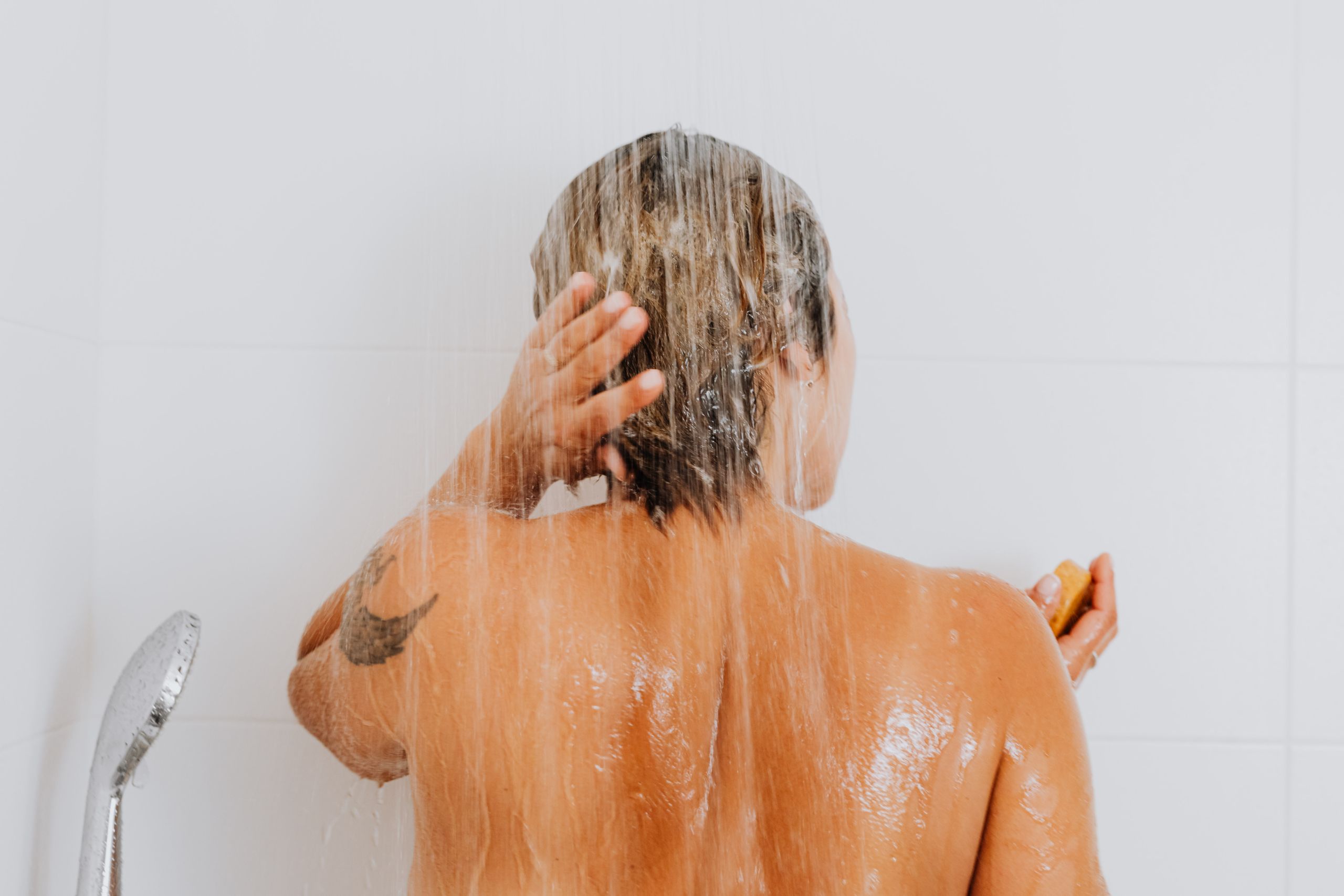
Long showers are one area where households can save quickly. Reducing shower time is a simple adjustment that doesn’t require buying new equipment or changing how you use the bathroom.
A shorter shower can become a small daily habit that helps reduce water use while keeping the routine simple.
Turn off the tap during daily routines.
Many people leave the water running while brushing their teeth, shaving, or soaping up. Turning off the tap during these moments is an easy way to avoid wasting clean water.
This small change can become part of a regular bathroom routine with little effort.
Check your toilet for a silent leak.
Image credit: by aamir dukanwala/pexels
A toilet leak may not always be obvious. Some leaks happen quietly, without a visible stream of water or a noticeable problem.
Checking your toilet for hidden leaks is one of the most important steps homeowners can take to find water waste in the home.
Listen for a running toilet.
A toilet that continues running after use may signal that something needs attention. Noticing unusual bathroom sounds can help homeowners catch problems early.
A quick check when a toilet sounds like it is still running can prevent unnecessary water use.
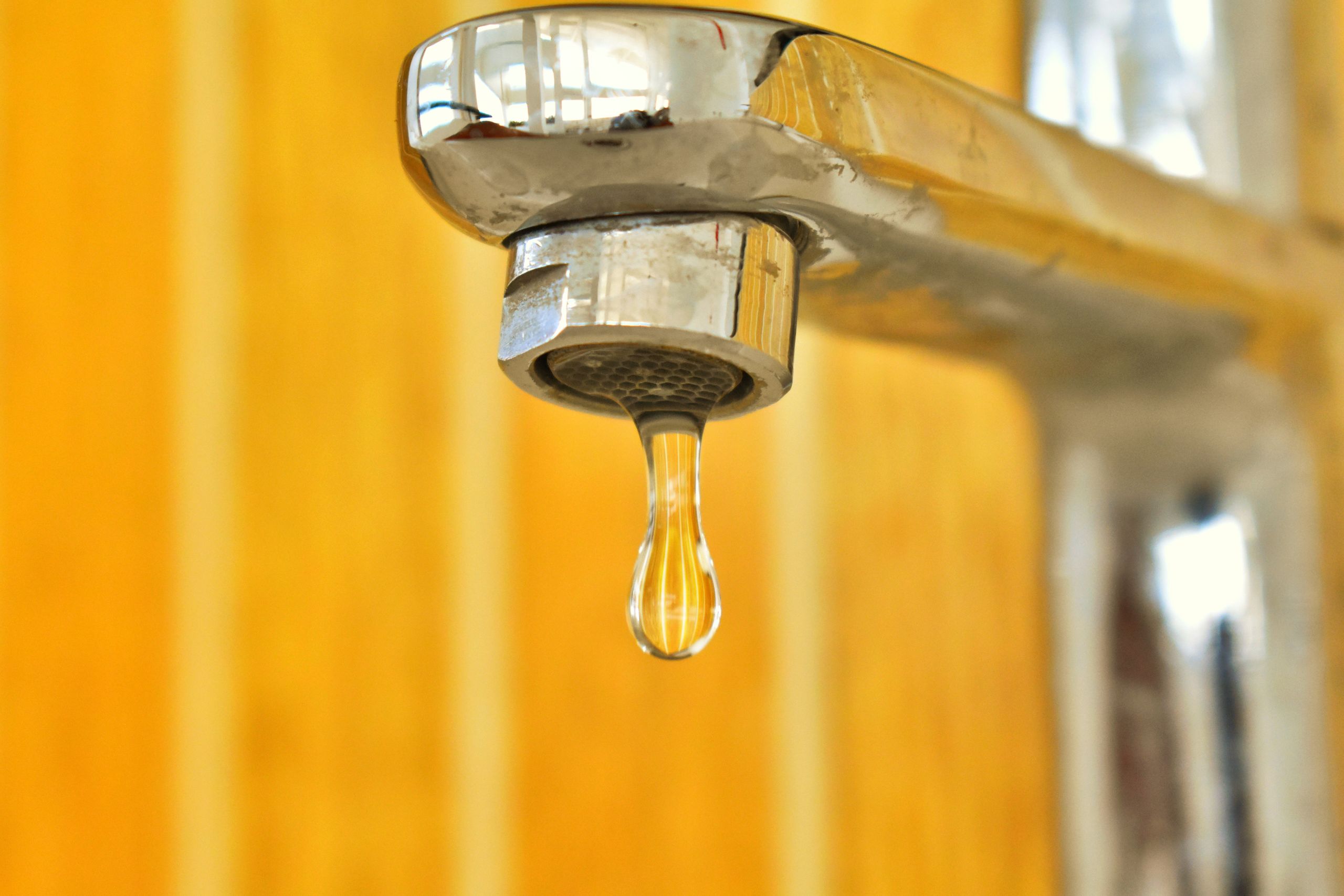
Fix dripping taps and showerheads.
Image credit: by Nithin PA/pexels
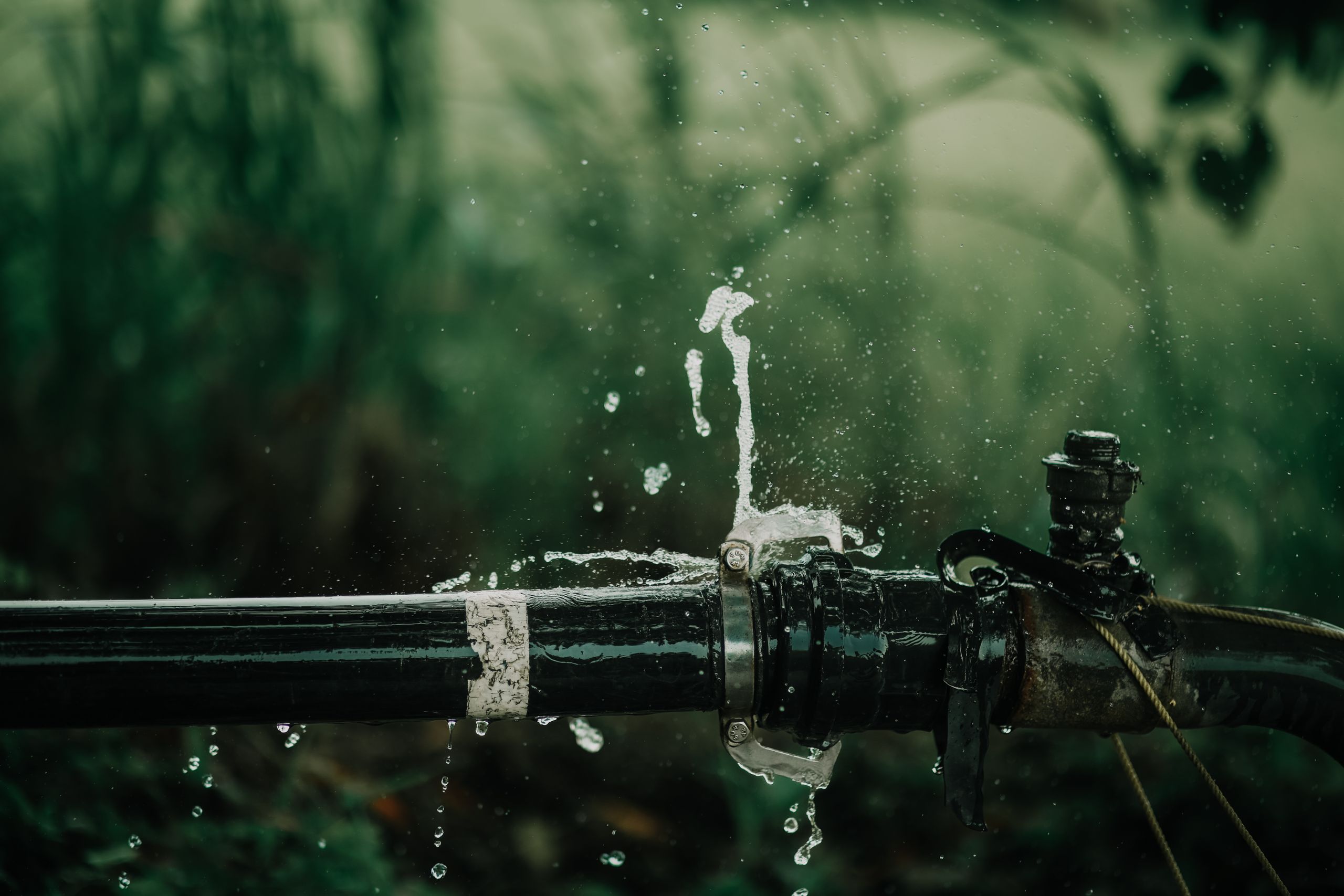
A dripping tap or showerhead can waste water over time. Fixing these issues promptly helps keep fixtures working properly and prevents water loss from constant drips.
Regularly checking household fixtures can help identify problems before they become bigger concerns.
Use the washing machine for full loads.
Laundry is another area where simple planning can help. Running the washing machine only when it has a full load allows households to make better use of each wash cycle.
Waiting until there is enough laundry for a full load can be an easy adjustment for many families.
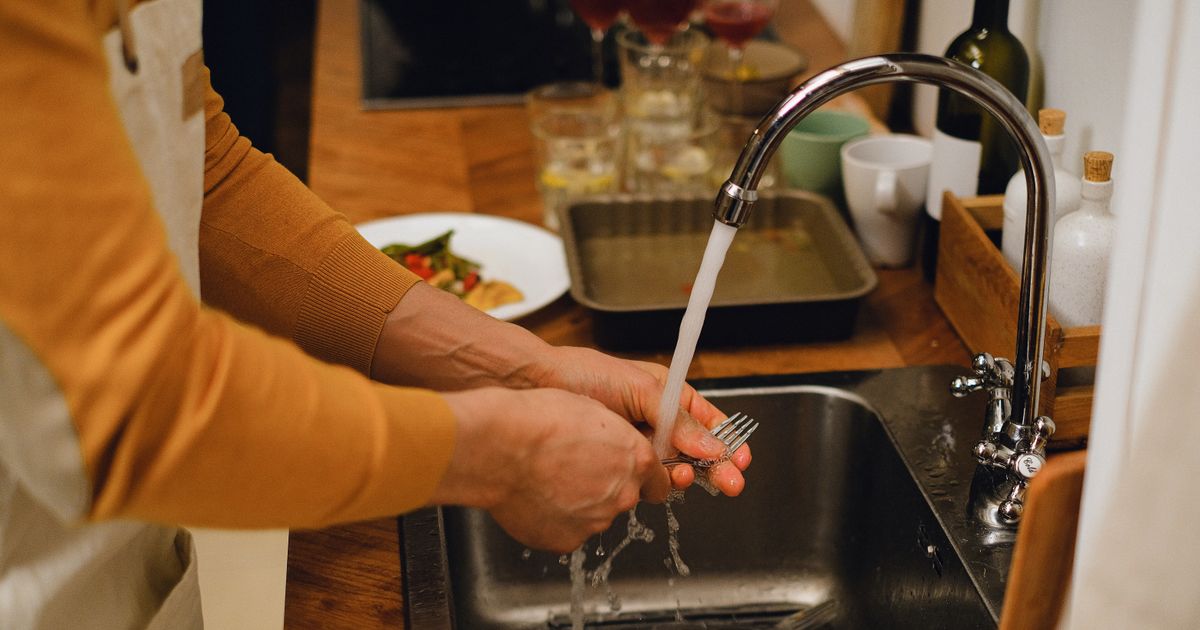
Dishwashing habits can also affect water use. Running the dishwasher when it is full helps households avoid unnecessary cycles.
The EPA’s Water Sense guidance also recommends skipping pre-rinsing dishes before loading the dishwasher, helping homeowners rethink a common kitchen habit.
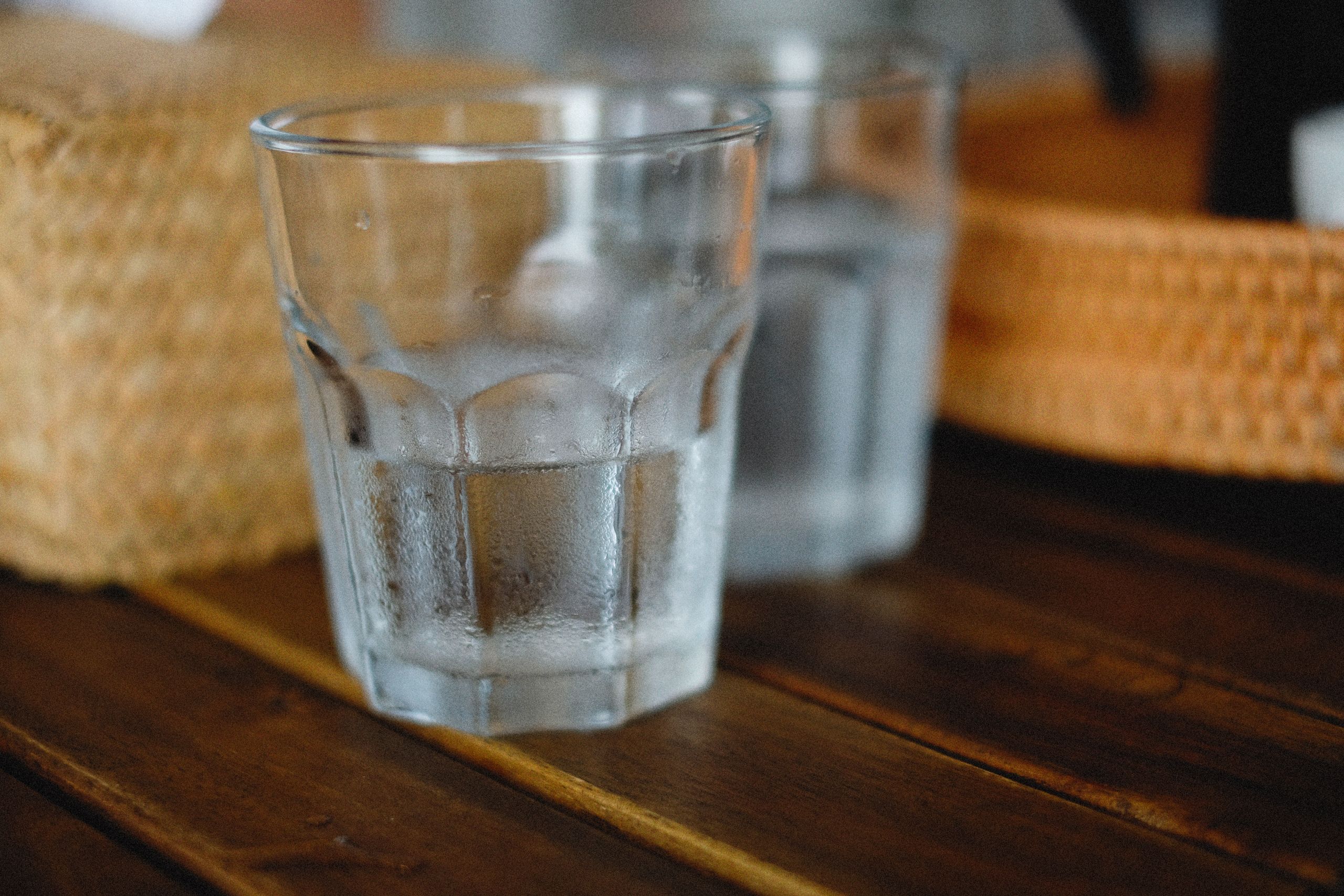
Keep drinking water cold in the fridge.
Image credit: by Alexey Demidov/pexels
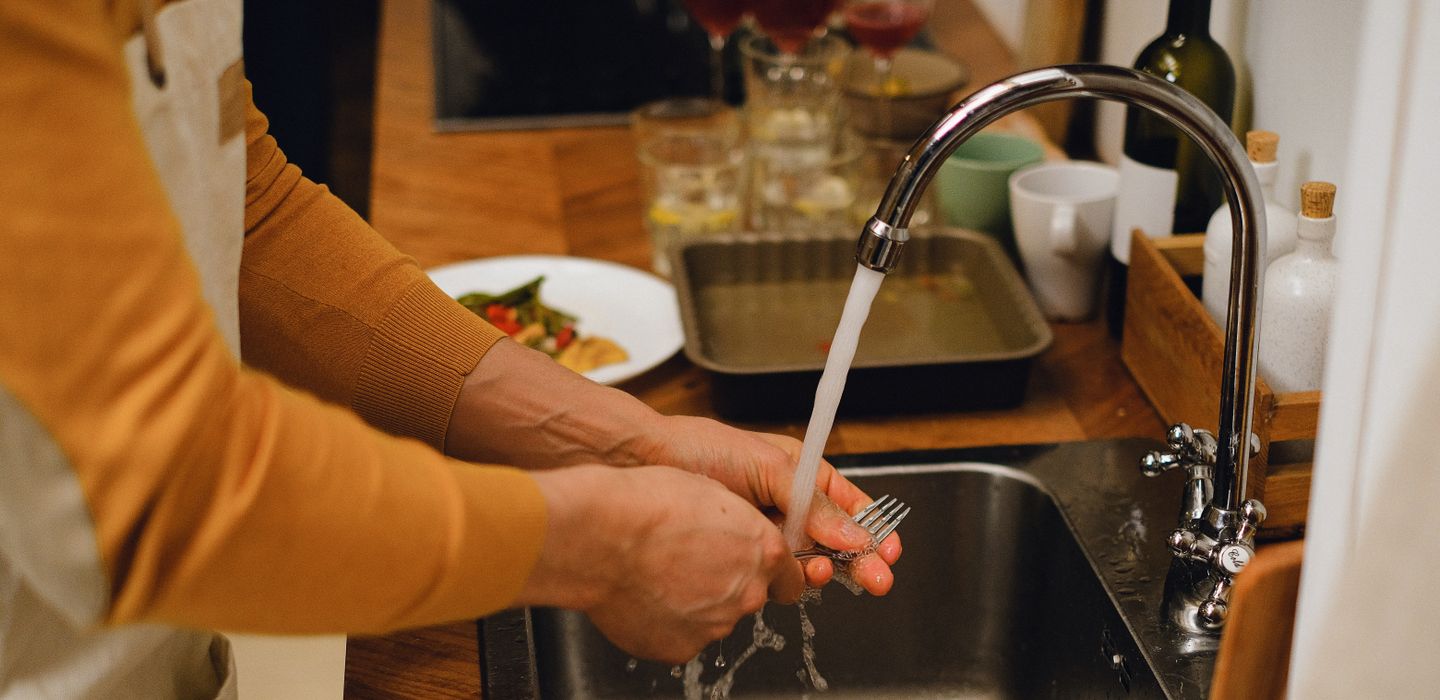
Many people run the tap while waiting for the water to cool enough to drink. Keeping a jug of drinking water in the refrigerator can make cold water available without waiting.
This simple kitchen habit can help avoid letting water run unused.
Reuse clean household water when practical.
Reuse some clean household water where practical instead of discarding it immediately.
Homeowners can look for everyday opportunities to use water for another purpose before pouring it away.
Upgrade the fixtures used most often.
For homeowners looking for a larger change, replacing frequently used fixtures with more efficient options can help reduce water use.
WaterSense helps consumers identify products designed with water efficiency in mind.
Small changes around the home can create a more mindful approach to water use. Whether it is fixing a leak, changing a routine, or upgrading a fixture, every improvement starts with noticing where water is being wasted.
The easiest place to begin may be the bathroom, the kitchen, or the laundry room. A few simple adjustments can help households build better water habits one step at a time.