



The post 15 Ways to Think About Pregnancy That Show Just How Crazy the Human Body Really Is first appeared on Crafting Your Home.
Humans have experienced pregnancy throughout history, but that doesn’t make it any less astonishing. Inside the body, an entirely new person develops over roughly nine months while the mother’s organs, circulation, hormones, and even posture adapt to support that process.
Sometimes the easiest way to appreciate pregnancy is to stop thinking about it as simply “being pregnant” and look at what is actually happening. From a microscopic collection of cells becoming a recognizable fetus to an organ temporarily growing to keep another life supplied with oxygen and nutrients, pregnancy is an extraordinary biological process.
Here are 15 ways to think about pregnancy that put its remarkable nature into perspective.
It Starts With a Single Cell
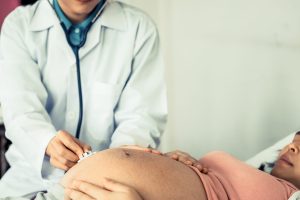
Pregnancy begins with fertilization, when an egg and sperm combine to create a single cell.
That cell doesn’t stay that way for long. It begins dividing repeatedly as it travels toward the uterus. Eventually, the developing cluster of cells implants in the uterine lining and begins becoming an embryo.
From that microscopic beginning, the body eventually develops an incredibly complex human being.
Think of the Placenta as a Temporary Life-Support System
One of the most remarkable parts of pregnancy is an organ that exists specifically for the pregnancy: the placenta.
It connects the developing fetus to the mother’s circulation and plays a critical role in supplying oxygen and nutrients while helping remove waste products. It also produces hormones that help support pregnancy.
In other words, the body doesn’t simply make room for a baby. It develops an entire temporary support system to help that baby grow.
The “Pregnancy Clock” Starts Before Pregnancy Technically Begins
Pregnancy is commonly described as lasting about 40 weeks, but there’s a fascinating technical detail behind that number.
Doctors generally calculate gestational age from the first day of the last menstrual period. That means the first approximately two weeks of the conventional 40-week pregnancy occur before fertilization has actually happened.
So when someone is described as being “two weeks pregnant,” conception may not have occurred yet.
Major Body Systems Begin Taking Shape Surprisingly Early
The early weeks aren’t simply about the embryo getting bigger.
During the first trimester, structures that will become the brain, spinal cord, heart, digestive system, limbs, eyes, ears, and other organs begin developing.
By around eight weeks after fertilization, the embryo has already undergone extraordinary development.
The Uterus Goes From Relatively Small to Remarkably Large
The uterus has to accommodate a growing fetus, placenta, and amniotic fluid.
Early in pregnancy, it remains inside the pelvis. As pregnancy progresses, it expands upward into the abdomen. By around 36 weeks, the top of the uterus can reach beneath the rib cage.
It’s an impressive example of the human body changing its physical dimensions to accommodate an entirely new situation.
Think About Pregnancy as a Nine-Month Construction Project
A building project might involve laying foundations, installing electrical systems, putting up walls, and finishing the interior.
Pregnancy is obviously much more complicated.
During development, bones harden, organs mature, the nervous system develops, the lungs prepare for breathing, fat accumulates beneath the skin, and the brain continues growing.
By the final weeks, many systems are preparing for life outside the uterus.
The Heart Starts Developing Early
The cardiovascular system is one of the first systems to develop in pregnancy.
Cardiac tissue starts forming during the early embryonic period, and the developing heart continues to mature as pregnancy progresses. By the later stages, the circulatory system is well developed and preparing for the transition to life after birth.
That this happens while the embryo is still incredibly small makes the process especially remarkable.
The Baby Isn’t Just Getting Bigger; It’s Getting More Sophisticated
Pregnancy isn’t simply a story of size.
A fetus gradually develops increasingly coordinated movements, reflexes, sensory abilities, and neurological functions. At different stages, it can move, swallow, make grasping motions, respond to sounds, and open and close its eyes.
That means the pregnancy journey involves continuous changes in both size and complexity.
The Body Literally Makes More Circulatory Capacity
Pregnancy requires major cardiovascular adjustments.
Blood volume, heart rate, stroke volume, and cardiac output normally increase during pregnancy. These changes help provide the circulatory capacity needed to support both the pregnant person and developing fetus.
So when pregnancy causes someone to feel as though their entire body is working differently, there is a genuine physiological reason for many of those changes.
Even the Spine and Center of Gravity Have to Adapt
As the uterus and fetus grow, the body’s weight distribution changes.
Pregnancy can shift the center of gravity and alter posture. These changes can place additional forces on the joints and spine, which is one reason back discomfort is so common during pregnancy.
It’s almost like carrying a constantly changing load while your body simultaneously has to redesign the way it balances itself.
The Baby Practices Movements Before Birth
A fetus doesn’t wait until birth to start moving.
As development progresses, movements become increasingly coordinated. The fetus can stretch, kick, make grasping motions, swallow, and develop sucking movements before birth.
Those famous pregnancy kicks are therefore more than random movements; they are part of a developing nervous and muscular system.
The Lungs Develop Long Before the First Breath
One of the most interesting parts of fetal development is that the lungs develop inside a fluid-filled environment even though they aren’t being used for ordinary breathing yet.
The lungs continue maturing throughout pregnancy, and surfactant production begins later in pregnancy. Surfactant is important because it helps the air sacs function properly once breathing begins after birth.
It’s a remarkable example of the body preparing an organ for a job it won’t actually perform until after delivery.
Fingerprints Begin Forming Before Birth
By the middle part of pregnancy, ridges are developing on the fingers and feet that eventually become fingerprints and footprints.
Think about that for a moment: while the baby is still developing inside the uterus, features that will help make those hands and feet uniquely identifiable are already forming.
The Body Changes in Ways You Can Actually See
Pregnancy isn’t only an internal transformation.
The abdomen expands, breasts can become larger and more tender, skin can stretch, the feet and ankles may swell, and the navel can eventually protrude. Some people also develop stretch marks or darker pigmentation around the nipples and on other areas of the skin.
The visible changes are the outside evidence of an enormous amount of activity happening underneath.
Think About the Final Weeks as a Preparation for a Completely Different Life
Near the end of pregnancy, the fetus is no longer simply growing rapidly. Its organs and body systems are preparing for the transition from the uterus to the outside world.
The lungs, brain, and nervous system continue developing, while the fetus gains weight and often moves into a head-down position in preparation for birth.
Then, after months of development, an entirely new phase begins: breathing air, feeding independently, regulating body temperature, and adapting to the world outside the womb.
Pregnancy Really Is One of Biology’s Great Transformations
It’s easy to reduce pregnancy to a due date, a growing belly, morning sickness, cravings, and baby kicks. But beneath it all is something much bigger.
A single fertilized cell develops into a complex human organism. The uterus expands dramatically. The placenta creates a temporary support system. The cardiovascular system adapts. The lungs prepare for their first breaths. The brain continues developing. And the entire body changes to make room for the process.
That’s what makes pregnancy so extraordinary. It isn’t simply a baby growing inside a person. It is the pregnant body continuously adapting, building, supporting, and preparing for an entirely new life.
Note: Pregnancy experiences vary considerably from person to person. This article is intended as an educational look at the biology of pregnancy, not as a substitute for medical advice.
Other Posts You Might Like
- Realities of Parenting: Things You Didn’t Expect to Spend So Much Time Doing
- Boomers, Here’s What Your Millennial Kids Really Want You to Hear
- 6 of the Worst Things You Should Never Say to a Single Parent
If you like what you just read, then subscribe to our newsletter and follow us on social media.


