
The post 8 smart gardening hacks that can help you spend less money first appeared on Crafting Your Home.
Gardening can be a relaxing hobby, but the costs can sneak up quickly. Seeds, soil amendments, mulch, containers, and new plants can turn a small backyard project into a surprisingly expensive habit. The good news? Free or low-cost resources already surround many gardeners. Instead of buying everything new each season, you can reuse materials, multiply plants you already have, and turn everyday household waste into useful garden supplies.
These simple tricks will not make every gardening expense disappear, but they can help reduce some recurring costs while making your garden more resourceful.
Save seeds from plants that already grow well.
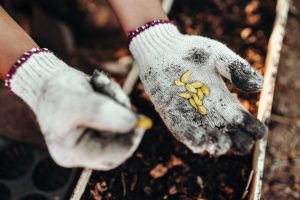
Buying new seed packets every year is convenient, but saving seeds from your own garden can help lower future costs. The trick is knowing which plants are good candidates. Open pollinated crops are usually the best choice if you want future plants to resemble the original. Tomatoes, peppers, peas, and beans are among the easier vegetables for beginners to start with. Choose seeds from healthy plants with traits you like, then allow the seeds to fully mature before storing them.
Just remember that seed saving has limits. Seeds from hybrid plants may not produce the same type of plant the following year, and crops such as squash, cucumbers, melons, and pumpkins can cross-pollinate easily. Proper drying and storage also matter because moisture can reduce seed quality.
Make your own compost from household scraps.
Your kitchen and yard may be hiding valuable garden material. Leaves, vegetable scraps, coffee grounds, and untreated grass clippings can become compost instead of ending up as waste. A basic compost pile needs a mix of “browns” and “greens.” Browns include materials like dry leaves, straw, and small twigs, while greens include food scraps and fresh plant material. Over time, the mixture breaks down into a dark, crumbly material you can add to garden beds.
Compost can reduce the need to buy some soil amendments, while also adding organic matter to your garden. However, it is not a complete replacement for every fertilizer need because nutrient levels vary depending on what goes into the pile.
Grow more plants from cuttings.
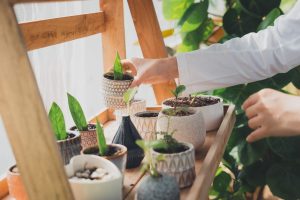
Why buy another plant if you can create a new one from a plant you already own? Many gardeners use stem cuttings or layering to multiply certain plants. A healthy cutting placed in the right conditions can develop roots and become a new plant. Layering encourages a stem still attached to the parent plant to grow roots before you separate it.
This method can be useful for herbs, houseplants, ornamental plants, and some shrubs. Success depends on the plant type, so research whether a specific variety responds well before you start.
Reuse containers instead of buying new pots.
Seed starting does not require a collection of expensive trays and planters. Clean household containers and old nursery pots can often be reused to start seeds or grow smaller crops. Plastic food containers, yogurt-style pots, and reused nursery cells can work if they are cleaned and have proper drainage holes. Containers should be large enough for the plant’s root system, especially for vegetables grown to maturity.
The biggest mistake is forgetting drainage. Without holes, excess water can harm plant roots. Also avoid using containers that held chemicals or unknown substances for edible crops.
Turn leaves and yard waste into free mulch.
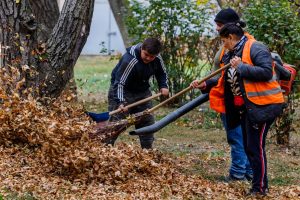
Bagged mulch can add up, especially if you have large garden beds. Fallen leaves, untreated grass clippings, straw, and some wood chips can provide a cheaper alternative. Shredded leaves are especially useful because they are less likely to form a thick layer that blocks water from reaching the soil. Organic mulch can help conserve moisture, reduce weeds, and add organic material as it breaks down.
The key is using the right material in the right place. Avoid piling mulch directly against plant stems or tree trunks, and be careful with materials that may contain weed seeds or create soil problems.
Use cardboard to create new beds and fight weeds.
Before throwing away shipping boxes, consider giving them another job in the garden. Plain brown cardboard can be placed under mulch to block sunlight and help suppress weeds. Gardeners typically remove tape and plastic labels, overlap cardboard pieces, soak them, and cover them with compost or mulch.
This method can help reduce digging and weed maintenance, but it is not a magic solution for every weed. Deep-rooted or spreading weeds may still need attention before you cover an area.
Divide crowded perennial plants.
Some plants become more crowded as they grow, and dividing them can help you create more garden space without buying new plants.When a healthy perennial becomes overcrowded, gardeners can separate the root mass into smaller sections and replant them. Each new section should have healthy roots and growing points.
Timing matters. Different plants respond best at different times of the year, and gardeners should avoid dividing plants that are stressed or currently flowering.
Swap seeds instead of buying every variety.
Other Posts You Might Like:
- 7-gardening-habits-that-make-plants-thrive
- 8-simple-ways-to-protect-your-garden-when-a-heat-wave-hits
If you like what you just read, then subscribe to our newsletter and follow us on social media.