

The post Grandma Had It Right: Why Knitting, Vinyl, and Paper Planners Are Taking Over American Homes in 2026 first appeared on Crafting Your Home.
Somewhere between the hundredth doomscroll and the thousandth targeted ad, a lot of Americans quietly decided they’d had enough.
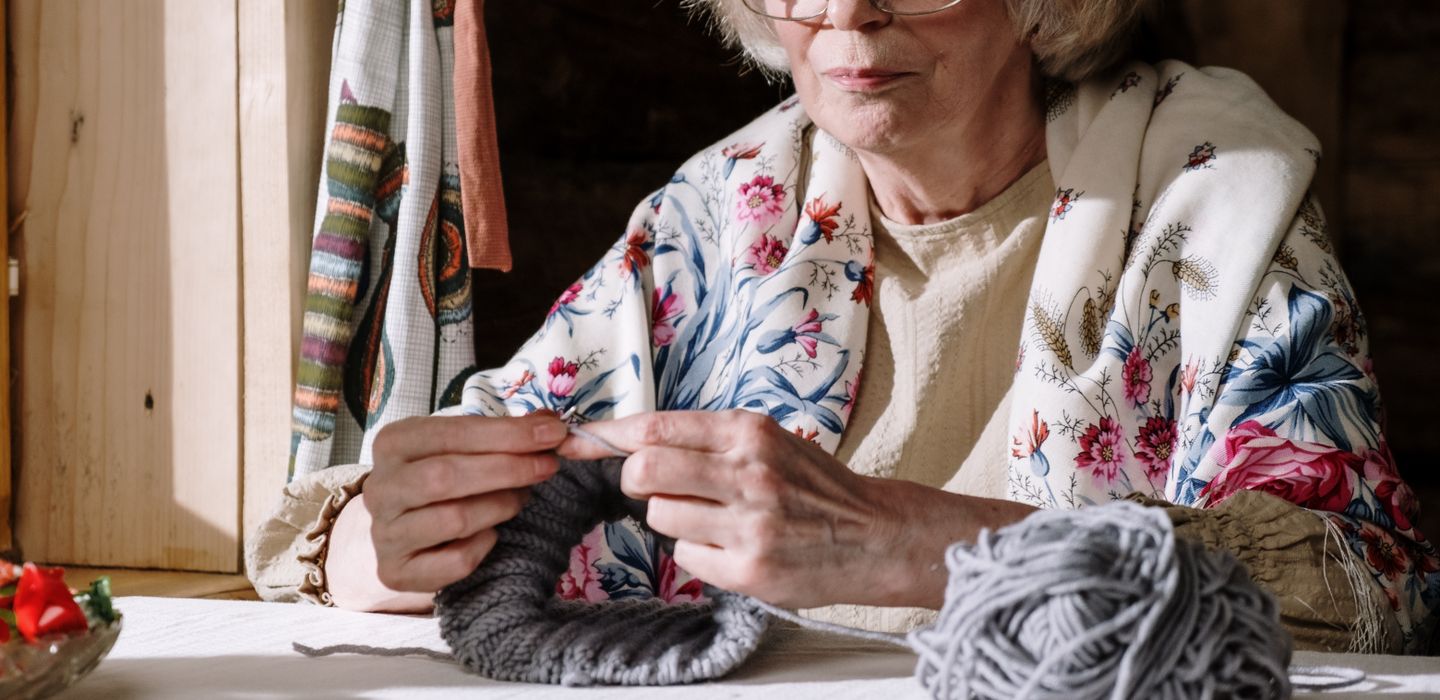
The response isn’t some dramatic tech detox. It’s something smaller and stranger: people are picking up their grandparents’ hobbies again. Knitting needles, turntables, film cameras, and paper planners are suddenly everywhere, and the data behind this shift is far more substantial than a passing TikTok trend.
Here’s what’s actually driving Americans back toward old-school, screen-free hobbies in 2026.
Crafting Is Having a Real Moment, and the Data Proves It
Craft retailer Michaels didn’t just notice this shift anecdotally. The company built its entire 2026 Creativity Trend Report around it, pulling from sales data, search trends, and consumer surveys collected over the past six months.
According to the report, searches for analog hobbies like knitting, crocheting, embroidery, and painting surged 136% over that period, while the company’s yarn accessory sales grew 40% year over year. Michaels described the movement in its own materials as a shift toward “tactile, analog activities to reclaim time and identity in an automated world.”
The numbers get more specific from there. Needlepoint searches climbed 251% year-over-year, and sewing pattern searches rose 152%, according to Michaels’ data. The company also found that 72% of its shoppers used creative projects to save money over the past year, suggesting the trend isn’t purely about nostalgia; it’s also a practical response to tighter budgets.
Journaling and memory-keeping saw similar growth. Junk journaling searches were up 63% year-over-year, and vision board searches climbed 61%, according to the report. Even social crafting is booming: “craft night” searches rose 103% year-over-year, and “girls’ night craft” searches specifically jumped 242%, pointing to a hobby shift that’s as much about in-person connection as it is about the activities themselves.
Vinyl, iPods, and the Return of Physical Media
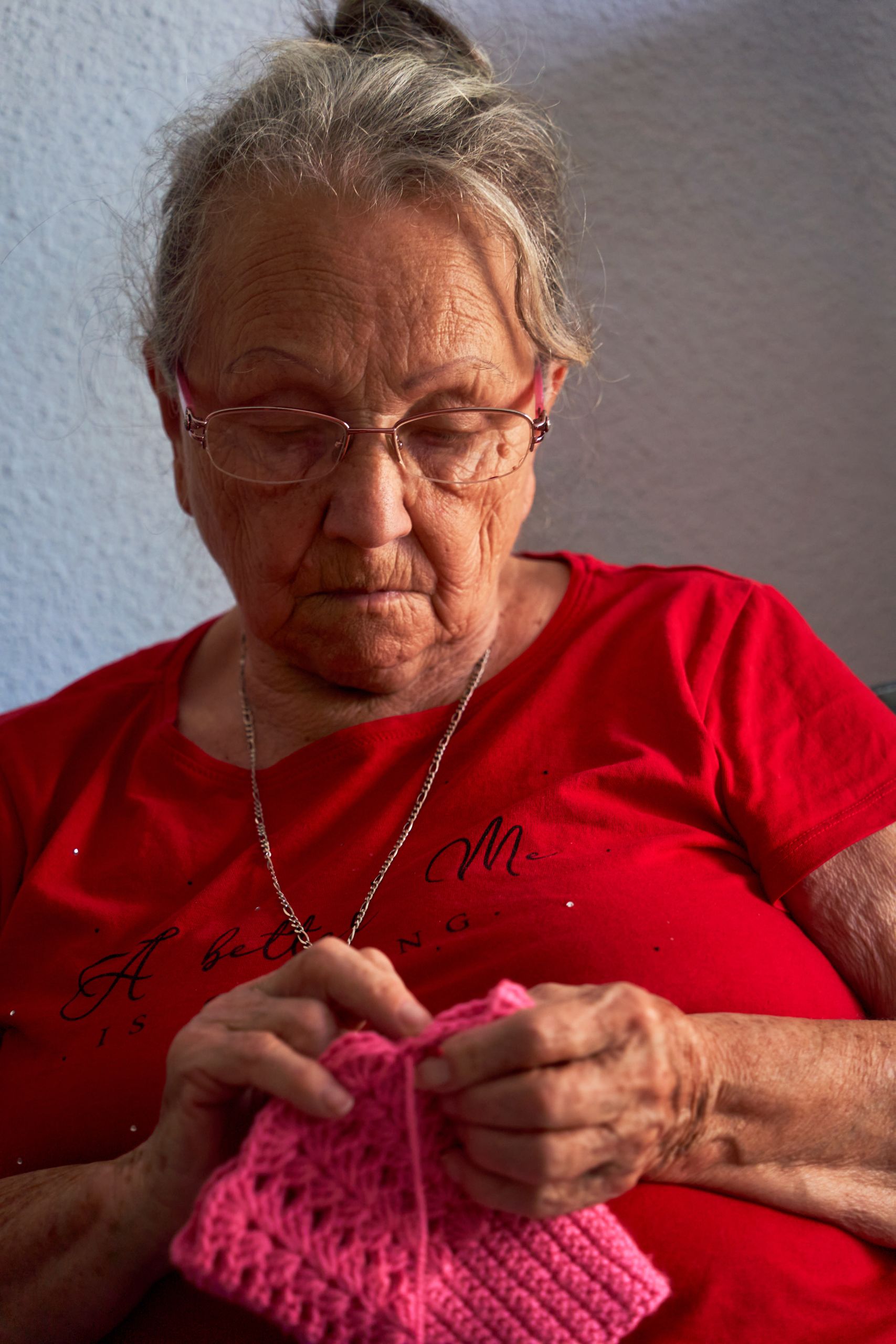
Crafting isn’t the only old-school category making a comeback. Physical media, the kind you can hold, play, and actually own, is having its own resurgence.
According to Axios, U.S. vinyl record sales climbed for the 19th consecutive year in 2025, rising 9% to nearly 48 million units, according to Luminate’s Year-End Music Report. The Recording Industry Association of America separately confirmed that vinyl revenue grew 9.3% in the U.S. that year, pushing record sales past $1 billion domestically for the first time since 1983.
Axios reported that this trend is driven largely by younger listeners leaning into offline activities and physical media, with the format’s audience diversifying as a result. Taylor Swift’s album “The Life of a Showgirl” alone sold 1.6 million vinyl copies in the U.S. last year, representing more than 3% of all vinyl units sold nationwide, according to Luminate data Axios cited.
The comeback isn’t limited to records, either. According to Axios, Google Trends data showed search interest for the original iPod and iPod Nano spiking last year, even though Apple discontinued the product line back in 2022. Refurbished device marketplace Back Market found that total sales of refurbished iPods have increased by an average of 15.6% annually since 2022, according to its reporting.
Axios summed up the underlying motivation simply: as modern technology keeps getting faster and more automated, that effortless access is starting to make things feel less like they actually belong to the people using them. Reaching for a physical record player or a device with no algorithm attached is one way people are pushing back against that feeling.
It’s Not Nostalgia, It’s a Break From the Algorithm
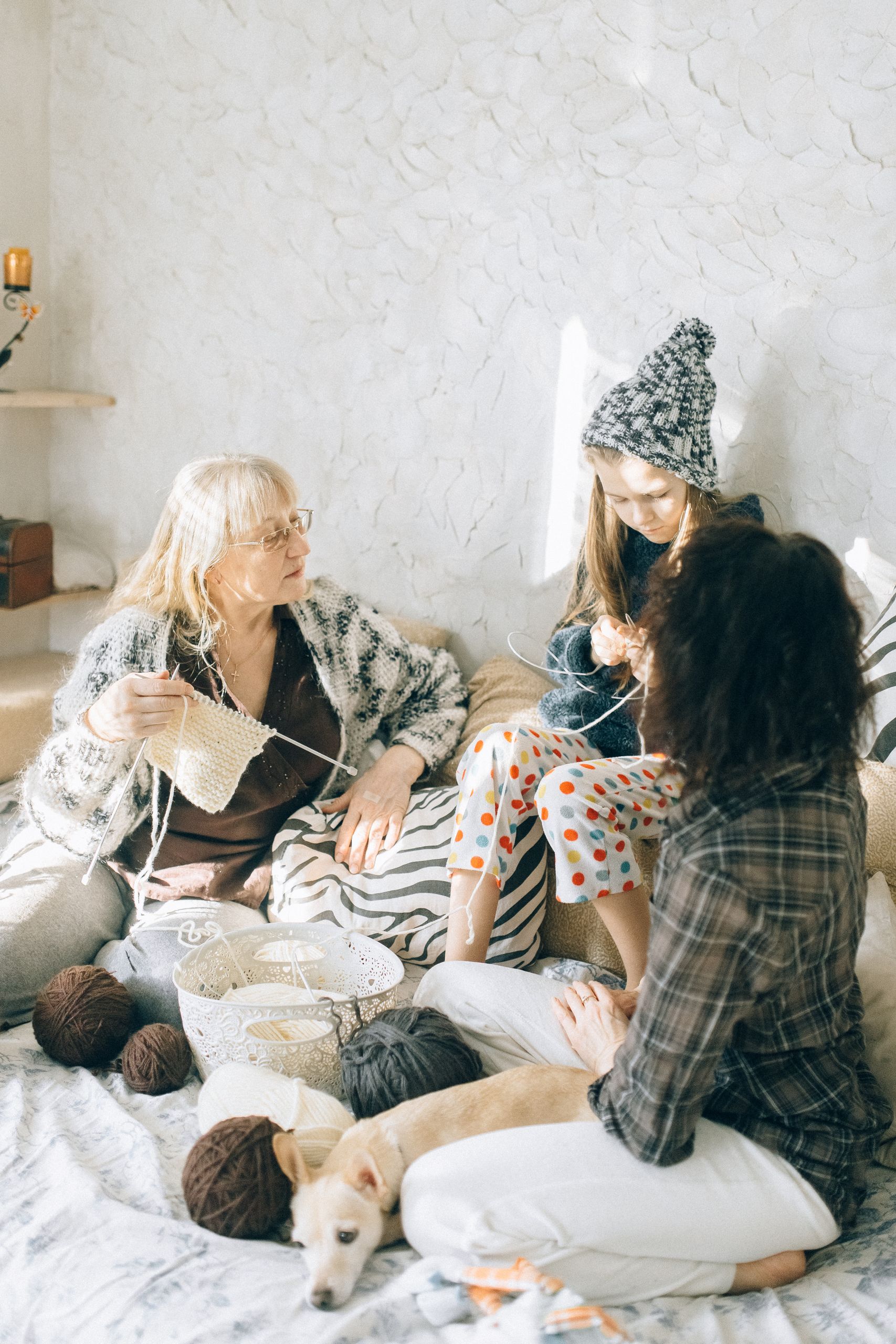
Ask the people actually doing this, and the reasoning isn’t really about looking backward. It’s about wanting something that feels more deliberate than scrolling.
Julianna Salguero, a 31-year-old social media manager, described the shift in comments to the New York City News Service. Salguero said she recently subscribed to The New Yorker specifically for its crossword puzzles, part of a broader effort to move away from constant screen time. I love picking up physical media,” Salguero said, describing her choice to embrace print as “a way of reconnecting with the way that I think humans inherently want to behave.”
According to the same reporting, this mindset has been especially visible among Gen Z, with people on TikTok and Instagram declaring 2026 “the year of analog hobbies” using hashtags like #analog and #analoglife. The report also pointed to a related trend called “Analog Bags,” where people intentionally swap tablets and phones for journals, physical books, puzzles, and craft supplies during commutes or travel, specifically to create phone-free stretches of time.
Michaels’ research points to a similar underlying driver behind the crafting boom specifically. According to the company’s trend report, offline hobbies like knitting and embroidery are serving as “grounding daily rituals” for people dealing with near-constant digital fatigue, rather than occasional weekend hobbies.
Taken together, these trends tell a fairly consistent story. Whether it’s a ball of yarn, a record player, or a paperback crossword book, Americans in 2026 are reaching for things without notifications attached. According to the data behind this shift, it’s less about rejecting modern technology outright and more about carving out small pockets of time that feel genuinely offline, tactile, and, for many people, more satisfying than another hour spent scrolling.
Other Posts You Might Like
If you like what you just read, then subscribe to our newsletter and follow us on social media.


