Lifestyle

7 Budget-Friendly Decorating Ideas That Can Make Your Home Look More Expensive

Gracy Munga
By Gracy Munga 6 min read

This post:7 Budget-Friendly Decorating Ideas That Can Make Your Home Look More Expensive first appeared on Crafting Your Home


A polished home is rarely defined by how much the furniture costs. More often, it comes from thoughtful colors, balanced proportions, warm lighting, and a few carefully chosen details.

That is welcome news for anyone decorating on a limited budget. Instead of filling a shopping cart with trendy accessories, homeowners and renters can concentrate on simple changes that make each room feel more coordinated. These seven affordable ideas can create a refined look without requiring a complete renovation.

Rearrange the furniture before buying anything.
Image credit:
Author
Julia_Arda/depositphotos
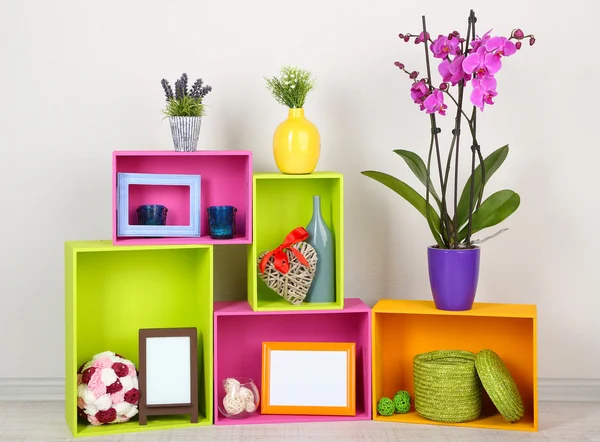
The least expensive decorating project begins with what is already in the room. Furniture often stays in the same position for years, even when the arrangement blocks natural light, creates awkward walkways, or makes the room feel smaller than it is.

Start by removing unnecessary pieces and identifying the room’s natural focal point. That might be a fireplace, a large window, a television, or a piece of artwork. Position the main furniture around that feature and leave enough open space for people to move comfortably.

Furniture does not always need to sit against the walls. Pulling a sofa slightly forward or placing chairs closer together can create a more intentional conversation area. Moving a lamp, side table, or decorative object from another room can also give the space a fresh look.

Use paint to create a more finished appearance.

Paint can change a room’s atmosphere without replacing its furniture. A calm, consistent color palette helps separate pieces feel connected, while freshly painted walls can make an older space look cleaner and more cared for.

Repainting the entire room is not the only option. A carefully chosen accent wall can create depth, while painting an interior door or built-in shelf can introduce color in a smaller dose. Old tables, chairs, and bookcases can also gain a new personality with proper preparation and a fresh finish.

Choose colors that work with the flooring, furniture, and natural light already in the space. Trendy shades may look appealing online, but a color that complements the room’s permanent features will usually produce a more convincing result.

Replace basic hardware

Cabinet pulls, drawer handles, doorknobs, and switch plates may be small, but they appear throughout a home. When these details are damaged, mismatched, or dated, they can make an otherwise attractive room feel unfinished.

Replacing hardware can give cabinets and furniture a cleaner, more consistent style. Simple finishes such as brushed metal, matte black, or aged brass can look polished when repeated across a room. The goal is not to choose the most decorative option, but to select pieces that suit the home’s existing character.

Before purchasing replacements, measure the distance between the screw holes on current handles. Matching those measurements can make installation easier and prevent the need to drill new holes. Renters should store the original hardware so they can reinstall it before moving out.

Give secondhand frames and artwork a new purpose.
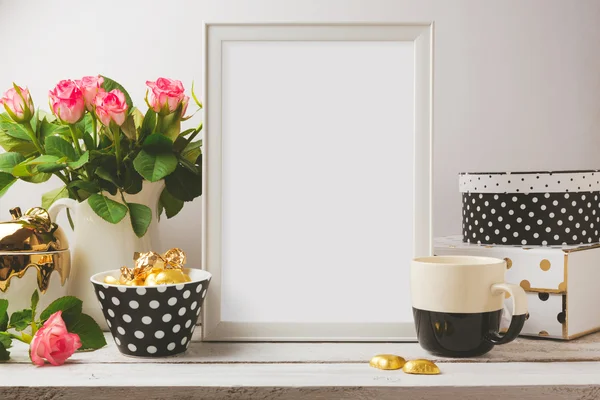
Image credit:
Author
maglara/depositphotos
Large artwork can be expensive, but empty walls do not require gallery prices. Thrift stores, yard sales, and secondhand marketplaces often have frames you can reuse, even if the original picture inside isn’t appealing.

You can clean, paint, or group frames to create a coordinated display. Fill them with personal photographs, postcards, fabric samples, children’s drawings, or legally obtained printable art. Using matching mats or a limited range of frame colors can help unrelated images feel like a planned collection.

Scale matters as much as the artwork itself. One tiny frame floating above a large sofa may look lost, while several smaller pieces arranged as a balanced gallery can fill the same space more effectively. Laying the arrangement on the floor before hanging it can prevent unnecessary holes and uneven spacing.

Add softness with curtains, pillows, and rugs.

Textiles can make a room feel warmer and more complete. Curtains soften windows, pillows introduce color, and rugs help define areas within open spaces. You can also change these additions more easily than large pieces of furniture.

Curtains often look more polished when hung above the window frame and allowed to fall close to the floor. Panels that are too short or narrow may make the window appear smaller. Before buying, measure both the window and the surrounding wall.

A rug should visually connect the main furniture rather than float alone in the center of the floor. In a seating area, placing at least the front legs of major pieces on the rug can help the arrangement feel unified. Pillows and throws can then repeat one or two colors from the rug or curtains without matching them exactly.

Improve the lighting at different heights.

A single overhead fixture can make a room feel flat, especially at night. Layering light from several sources creates depth and makes the space more comfortable.

Combine overhead lighting with table lamps, floor lamps, or small accent lights. Placing light at different heights can highlight a reading corner, artwork, shelves, or an architectural feature. Warm, consistent bulb colors also help the room feel connected, not pieced together.

Lamps themselves can become decorative elements. A secondhand lamp may only need a new shade or a cleaned base to fit the room. For safety, evaluate damaged cords, plugs, or fixtures before use rather than treating them as simple decorating projects.

Style surfaces with fewer, stronger pieces.
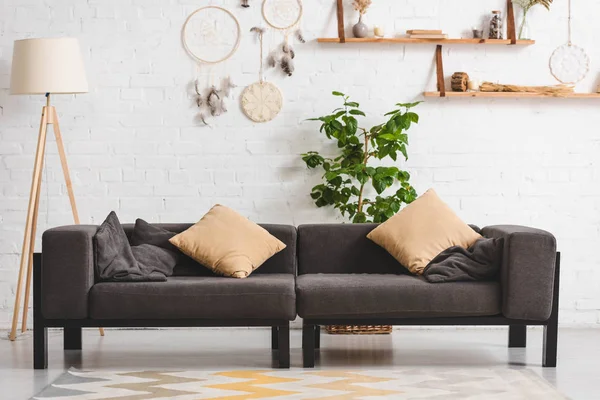
Image credit:
Author
AndrewLozovyi/depositphotos
Filling every shelf and tabletop can make even expensive decor look cluttered. A more refined room usually gives objects enough space to be noticed.

Start by clearing the surface, then return only the pieces that add beauty, meaning, or function. Grouping objects in small arrangements often looks more deliberate than spreading them evenly across a shelf. Books can add height, while a vase, bowl, candleholder, or plant can introduce shape and texture.

Houseplants and cuttings can also bring color to an empty corner, as long as the location offers suitable light for the plant. Decorative containers from secondhand shops can make simple greenery feel more considered. Anyone with pets or small children should confirm that a plant is appropriate for the household before bringing it home.

A stylish home is built through thoughtful choices.

Making a home look more expensive does not mean pretending everything is new or luxurious. It means creating order, consistency, and comfort with the resources already available.

The most effective upgrades often make a room feel intentional, not crowded. Rearranging furniture, improving lighting, repeating a few finishes, and editing out unnecessary clutter can transform a space before you ever need a major purchase.
Post You Might Also Like

If you like what you just read, then subscribe to our newsletter and follow us on social media.

Leave a Reply

Your email address will not be published. Required fields are marked *