

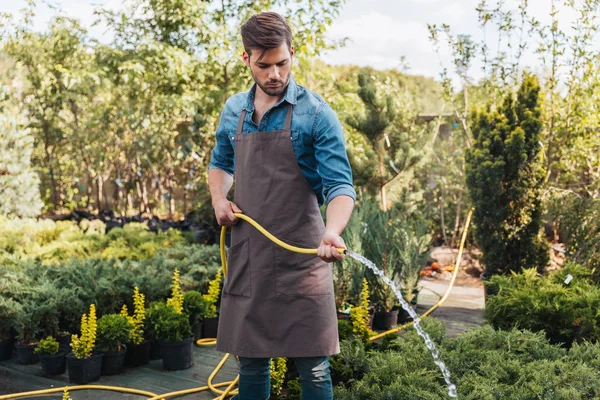
A stretch of extreme heat can turn a thriving garden into a patch of drooping leaves, scorched produce, and bone-dry soil surprisingly fast.
Plants rely on water to cool themselves, but intense sun and high temperatures can cause moisture to disappear faster than their roots can replace it. Young plants, recent transplants, and container gardens often struggle first.
Water early and aim for the roots.
Author
SashaKhalabuzar/depositphotos
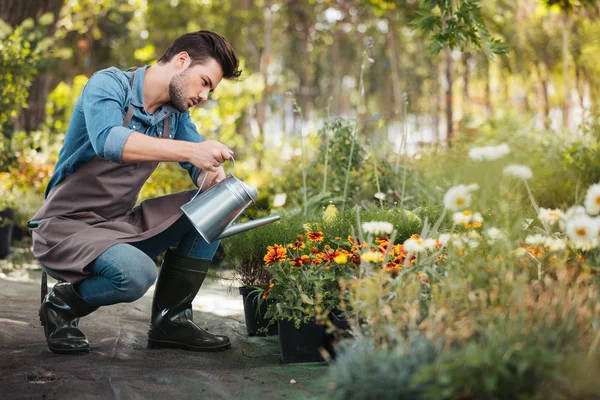
Early morning is generally the best time to water during a heat wave. Cooler conditions give the soil time to absorb moisture before midday temperatures increase evaporation.
Apply water slowly near the base of each plant instead of spraying the entire garden. A drip hose, soaker hose, or watering wand can deliver moisture directly to the root zone while keeping unnecessary water off the leaves. The University of Minnesota Extension recommends watering as early as possible and placing water close to the soil surface.
Check the soil before watering again.
Wilted leaves do not always mean a plant needs another round of water. Some plants temporarily droop during the hottest part of the day and recover after temperatures fall.
Push a finger a few inches into the soil before reaching for the hose. If the soil is still damp beneath the surface, additional watering may create soggy conditions around the roots. If it feels dry, give the plant a slow, thorough drink.
Cover exposed soil with mulch.
Author
megastocker/depositphotos
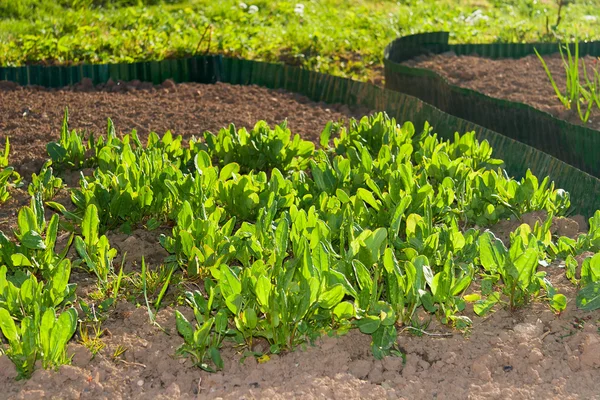
Mulch acts like insulation for a garden bed. It blocks direct sunlight from baking the soil, slows evaporation, and reduces competition from weeds.
Spread organic material such as wood chips, shredded bark, straw, or compost over exposed soil. Keep it slightly away from plant stems and tree trunks, rather than piling it against them, where trapped moisture can encourage problems.
Give vulnerable plants temporary shade.
Author
taekim1828/depositphotos
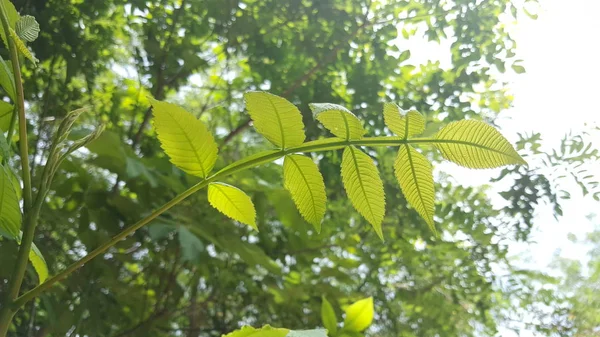
Even sun-loving plants can struggle when temperatures climb far beyond their usual growing range. Temporary afternoon shade can protect tender foliage and developing produce from the most intense sunlight.
Stretch shade cloth above the plants using stakes, hoops, or a simple frame. Leave enough space between the material and the foliage for air to circulate. An old lightweight sheet can also work for short periods, as long as it is secured and does not rest heavily on the plants.
Move containers out of the afternoon sun.
Move portable pots to a location that receives morning light and afternoon shade. Grouping containers can also create a small, more sheltered area that loses moisture less quickly.
Pause fertilizer, pruning and transplanting.
A heat wave is not the time to push plants into producing tender new growth. Fertilizing, heavy pruning and transplanting can add stress when plants are already concentrating on survival.
Wait until temperatures moderate before resuming those jobs. Oregon State University Extension advises against fertilizing during intense heat because encouraging new growth is not desirable under stressful conditions.
Remove weeds without disturbing roots.
Author
Valerii_Honcharuk/depositphotos
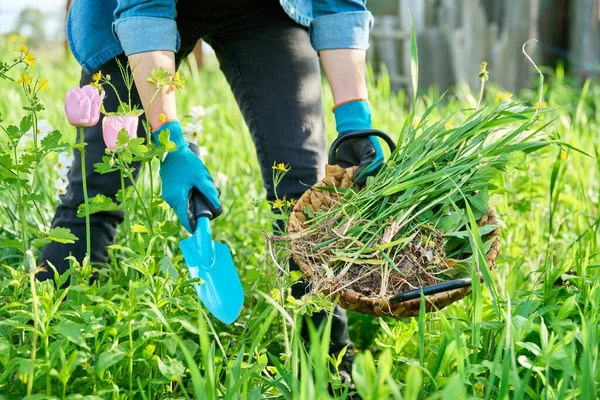
Work gently around stressed plants, however. Vigorous hoeing or deep digging can disturb shallow roots and dry the soil faster. Hand-pulling smaller weeds after watering is often less disruptive.
Watch closely for damage.
Heat stress can show up as curling leaves, dry edges, blossom drop, sunscald, or fruit that stops developing normally. Newly planted crops and seedlings deserve especially close attention because their roots are not yet well established.
Inspect the garden in the cool morning and again after sunset. A plant that droops at midday but recovers overnight may simply be responding temporarily to the heat. One that remains wilted the following morning may need water, shade, or a closer look at its roots.
Most importantly, do not assume every scorched leaf means a plant has died. Many established plants can recover once temperatures fall, especially when their roots remain healthy.
If you like what you just read, then subscribe to our newsletter and follow us on social media.

