


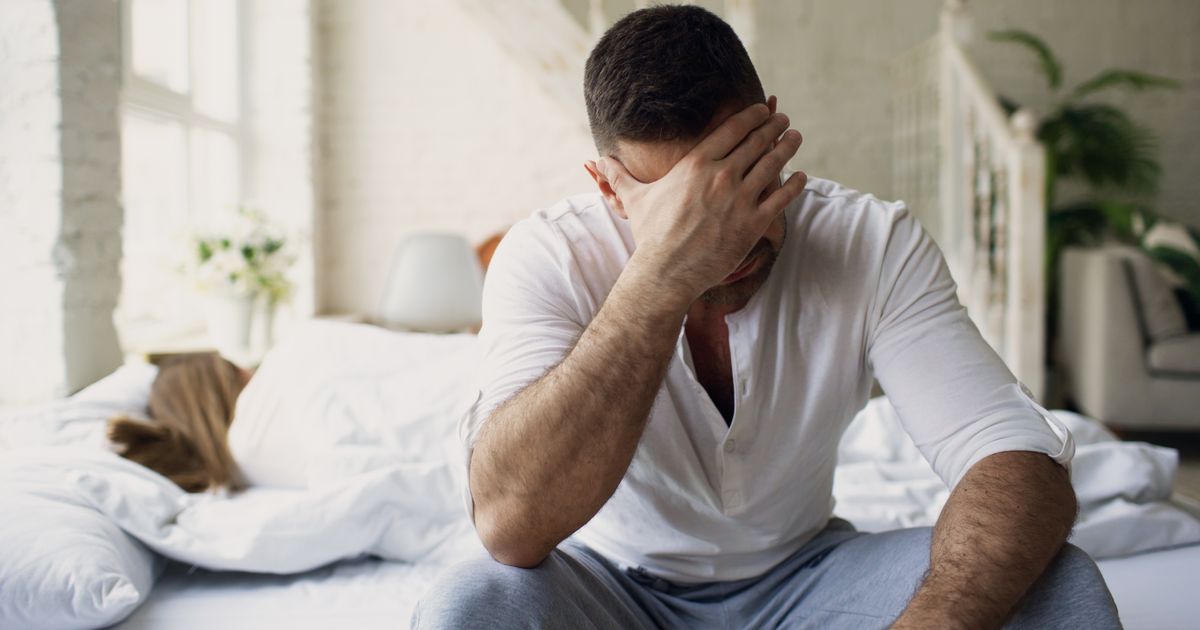
Many men assume changes in their sex drive happen suddenly, but the reality is often different. A gradual decline in libido can develop slowly, influenced by daily habits, emotional struggles, relationship challenges, and lifestyle choices that may seem unrelated at first.
Because changes in desire can feel personal, some men avoid discussing them. They may believe it is simply part of aging or something they should ignore. However, a lower libido can sometimes be a sign that the body or mind is dealing with stress, imbalance, or unresolved issues.
Understanding the possible factors behind reduced desire can help men spot patterns and take steps to improve their overall well-being. Here are some common reasons why men may experience a quiet decline in libido.
Chronic Stress Can Drain Desire Over Time

Stress is one of the biggest factors affecting a man’s interest in intimacy. When the mind is constantly focused on work deadlines, financial worries, family responsibilities, or personal problems, romance can take a back seat.
High levels of stress can keep the body in a constant state of tension. Instead of feeling relaxed and connected, a man may feel mentally exhausted and distracted.
Many men carry pressure silently and try to push through difficult periods without acknowledging the impact on their emotional and physical health. Over time, ongoing stress can reduce energy, confidence, and interest in intimacy.
Too Much Screen Time Can Affect Real-Life Connection
Technology has become a major part of everyday life, but excessive screen use can quietly interfere with relationships and personal habits. Spending hours on phones, social media, video games, or other digital activities can reduce meaningful interactions with a partner. It can also create a pattern where instant entertainment becomes easier than emotional connection.
For some men, excessive digital distractions may reduce their interest in real-world intimacy. The issue isn’t technology itself, but letting it replace important parts of personal connection.
Lack Of Physical Activity Can Reduce Confidence
Exercise is closely connected to energy, mood, and self-confidence. When men become inactive, they may start to feel differently about themselves. A lack of movement can make you feel sluggish and disconnected from your body.
Some men may also lose confidence because they no longer feel as strong or physically comfortable. Staying active does not require extreme workouts. Regular movement can support better energy levels and a healthier relationship with the body.
Poor Sleep Habits May Affect Energy And Motivation

Sleep plays a major role in overall health, yet many men underestimate its importance. Late nights, irregular schedules, and poor-quality sleep can leave the body and mind struggling to function properly.
When someone is constantly tired, intimacy may feel like another responsibility rather than something enjoyable. Lack of rest can also affect mood, focus, and emotional connection.
Many men focus on improving diet or exercise while ignoring their sleep habits. However, consistently poor sleep can quietly influence many areas of life, including desire and relationship satisfaction.
An Unhealthy Lifestyle Can Slowly Take A Toll
Daily habits often have a bigger impact than people realize. A lifestyle that includes little physical activity, poor eating patterns, excessive alcohol use, or smoking can affect overall energy and confidence.
When the body does not receive proper care, men may notice changes in how they feel physically and emotionally. Lower energy levels can make it harder to feel interested in intimacy.
The effects of unhealthy habits are often gradual, which makes them easy to ignore. A man may not connect his daily choices with changes in his libido until the problem becomes more noticeable.
Mental Health Struggles May Be Hidden Behind Silence
Anxiety, depression, low confidence, and emotional exhaustion can all influence libido. However, many men are uncomfortable admitting they are struggling mentally. Some men grow up believing they should always appear strong and in control.
As a result, they may hide feelings of sadness, stress, or insecurity instead of seeking support. Mental health affects how people experience relationships, motivation, and self-image. When emotional struggles remain unaddressed, they can quietly affect many areas of life, including intimacy.
Related: 9 alarming-mental-health-struggles-many-anxious-millennials-may-not-recognize
Relationship Problems Can Create Emotional Distance

Libido is not only about physical health. Emotional connection plays an important role in desire, especially in long-term relationships.
Unresolved arguments, poor communication, feeling unappreciated, or emotional distance can slowly erode intimacy. A man may still care deeply about his partner but struggle to feel connected.
Many couples avoid discussing relationship problems because they fear creating more conflict. However, unspoken frustrations can create barriers that affect closeness and attraction over time.
Hormonal Changes Can Influence Desire
As men age, their bodies naturally experience changes. Hormone levels can shift over time, and some men may notice changes in energy, mood, or sexual interest. These changes do not happen the same way for everyone. Some men may experience noticeable differences, while others may not experience major changes at all.
Because hormonal concerns can be sensitive, some men avoid discussing them. However, understanding what is happening in the body can help identify possible solutions and provide clarity.
Medication Side Effects May Go Unnoticed
Some medications can influence mood, energy, or libido. Men who take prescription medications may notice changes but fail to consider that their treatment could be connected.
Because medications are often necessary for managing health conditions, men should not stop taking them without professional guidance. Instead, they should discuss concerns with a healthcare provider. An open conversation about changes can help determine whether adjustments or alternatives are appropriate.
Unrealistic Expectations Can Create Pressure
Modern culture often creates unrealistic ideas about masculinity, relationships, and sexual performance. Some men feel pressure to always be confident, experienced, and ready. This pressure can create anxiety that makes intimacy feel stressful rather than natural. Worrying about performance can sometimes become a cycle that affects confidence and desire.
A healthy approach requires understanding that changes in libido are a normal part of life. Men do not need to measure their worth based on unrealistic expectations.
A lower libido does not always mean something is seriously wrong, but it should not be ignored either. Many physical, emotional, and lifestyle factors can influence desire, and they often overlap.
The first step is recognizing changes instead of pretending they do not exist. Honest conversations, healthier habits, stress management, and attention to overall well-being can help men better understand their bodies and relationships.
Libido is not just about intimacy. It can reflect how a person is feeling physically, emotionally, and mentally. Paying attention to these signals can lead to better health, stronger relationships, and a better quality of life.
Other Posts You Might Like
- 7 Daily Habits That Naturally Support a Stronger Libido
- 6-foods-to-boost-your-libido-and-enhance-your-sex-life
- 5 signs-your-energy-levels-are-sabotaging-your-sex-drive
The post 10 Hidden Factors That May Be Slowly Lowering Men’s Libido Without Them Realizing first appeared on Crafting Your Home.
If you like what you just read, then subscribe to our newsletter and follow us on social media.


