
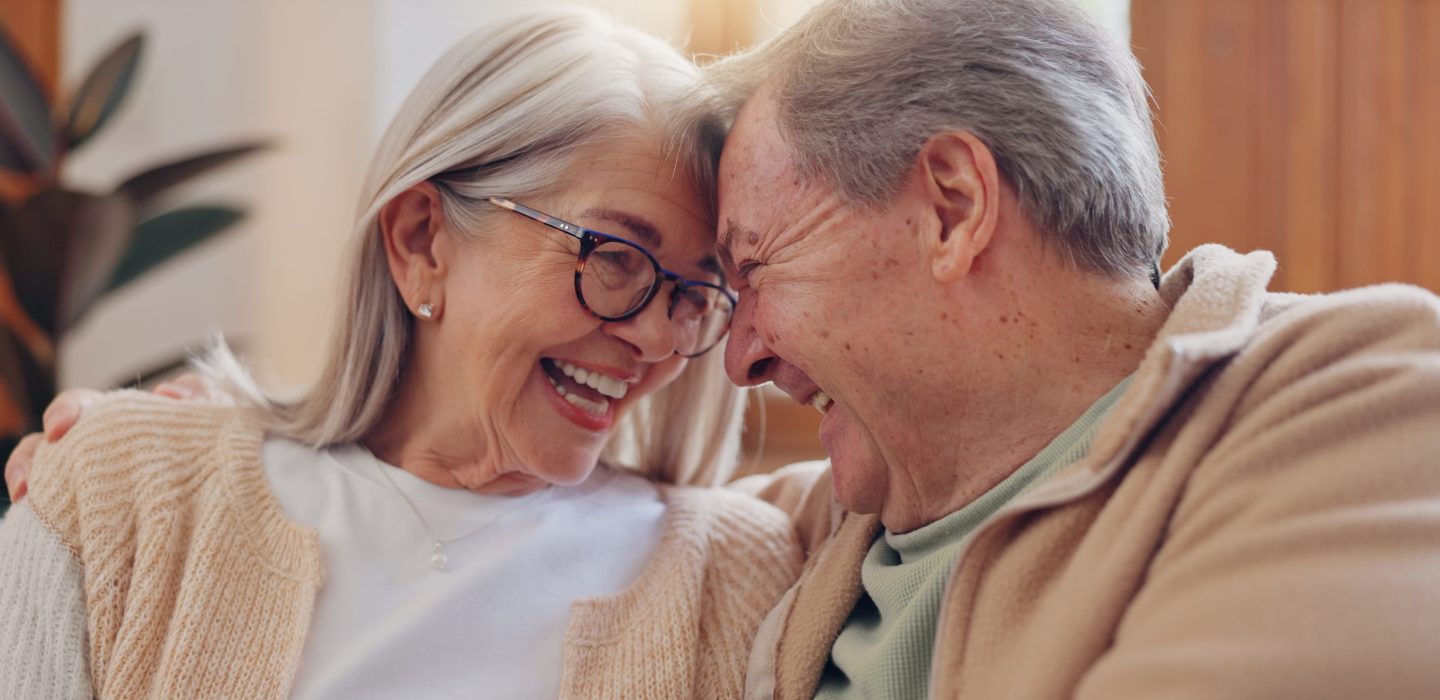

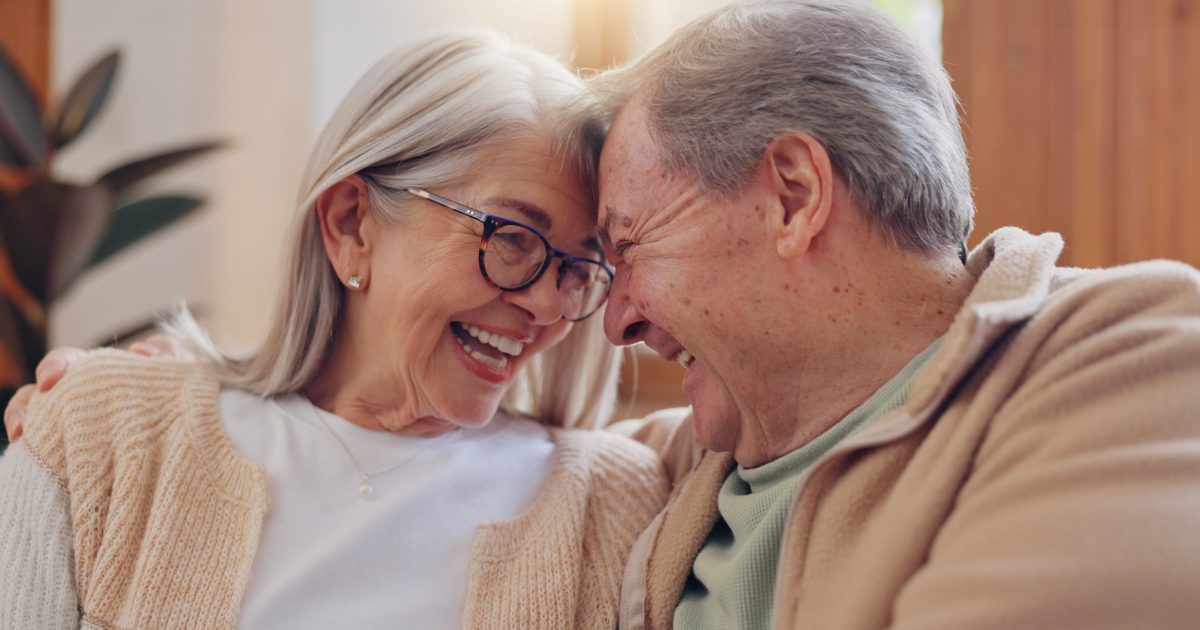
Romance is often portrayed as something for youth. Movies, advertising, dating culture, and popular conversations frequently focus on young couples, while romantic relationships among older adults receive far less attention. This can make it easy to assume that dating, attraction, intimacy, and falling in love become less relevant as people grow older.
Research paints a more complicated picture. Older adults are not a single, uniform group, and their attitudes toward relationships vary considerably. Some want long-term partnerships, some prefer companionship without marriage, some want casual dating, and others have no interest in romance at all. The important point is that age alone does not tell us what an individual wants from a relationship. A national study of 3,005 U.S. adults ages 57 to 85, published in PubMed, for example, found that about 14% of single participants were currently in a dating relationship. The study also found that dating patterns varied by age, gender, education, assets, and social connectedness.
So, what are younger people getting wrong about romance later in life? Here are 10 common misconceptions worth reconsidering.
“Older People Stop Looking for Love”
One of the simplest misconceptions is that romantic relationships become irrelevant once someone reaches a certain age. There is little basis for treating a particular birthday as an end point for romantic interest. The national study of older U.S. adults mentioned above found that some single adults continued dating between 57 and 85. More recent research has also examined dating relationships formed later in life, suggesting that older adulthood remains a meaningful area of relationship research.
That does not mean every older person wants to date. The better conclusion is that preferences differ. Some people actively seek a partner, while others are perfectly content without one. Treating all older adults as either romantically interested or uninterested simply because of their age misses that individual variation.
“Senior Dating Is Just About Not Being Alone”

Companionship can certainly matter in later-life relationships, but reducing senior romance to avoiding loneliness oversimplifies what people want from intimate relationships. A qualitative study of 31 adults aged 66 to 92, published in PubMed, found that participants described sexual connection as part of some romantic relationships while also emphasizing intimacy, connection, companionship, and relationship satisfaction.
For some people, companionship may be the central attraction. For others, emotional intimacy, affection, attraction, shared interests, or sexual connection may matter just as much. No single definition of senior romance exists.
Related: America Doesn’t Just Have a Loneliness Crisis, It Has a Lovelessness Crisis: 8 Reasons Why
“There’s No Chemistry When You’re Older”
The idea that attraction is exclusively a young person’s experience is another stereotype. A 2026 qualitative study of 100 single adults between 60 and 83 examined how older people approached sexual and romantic relationships while dating. Participants described sexual desire and intimacy as relevant to forming romantic relationships, although they also recognized changes and challenges associated with getting older.
Importantly, this does not mean older adults experience attraction in exactly the same way as younger adults. People can change their priorities over time. But changing priorities are not the same thing as losing the capacity for attraction. Romantic chemistry is personal. It can involve physical attraction, humor, shared interests, emotional connection, admiration, or a sense of compatibility. None of those experiences has a universally defined age limit.
“Older Couples Don’t Have Passion”
This misconception often comes from confusing changes in relationships with the disappearance of intimacy. That distinction matters. Passion and intimacy are not identical to frequency of sexual activity. People may express romantic interest through affection, physical closeness, conversation, shared experiences, or sexual intimacy.
The National Institute on Aging notes that intimacy can occur with or without a physical component and that older adults differ in how they choose to express sexuality and intimacy. In other words, romance does not necessarily disappear; it may simply take different forms.
“Dating After 60 Is Awkward and Complicated”

Dating at any age can involve uncertainty. However, assuming that dating later in life is automatically awkward overlooks the experience and circumstances that older adults bring to relationships. A 2026 study published in the Personality and Social Psychology Bulletin examined dating relationships in later life and emphasized that newly formed relationships can have their own dynamics. The researchers caution against assuming that age automatically makes new relationships easier simply because older adults may have developed certain relationship skills.
Older dating can also involve circumstances that are less common among younger daters. Someone may have previously been married, may have adult children, or may have spent years living independently. Others may be entering the dating world after a long relationship or a period without dating. These circumstances can make dating different, but “different” does not necessarily mean worse or more awkward. It means that relationships develop within the context of each person’s life history.
Related: Why More Midlife Women Are Rethinking Marriage and Choosing a New Chapter
“Older People Don’t Fall in Love Anymore”
Love is sometimes presented as a defining feature of youth, while later relationships are portrayed as practical arrangements. Research on older adults’ romantic relationships does not justify such a sharp distinction. A study of 14 women aged 64 to 77 who were exploring new sexual relationships found that participants described sexuality and romantic relationships in ways that challenged common assumptions about aging. For several participants, later life included renewed sexual desire and enjoyment.
Falling in love later in life may look different from falling in love at 20. That doesn’t make it any less genuine.
“Older People Can’t Handle Modern Dating”
Younger adults are more likely to use dating apps than older adults. But “less likely” does not mean “unable” or “uninterested.” A 2023 Pew Research Center survey found that 17% of Americans ages 50 and older had used a dating site or app at some point. The figure was 23% among people in their 50s, 14% among those in their 60s, and 12% among those 70 and older.
The reality is therefore more nuanced than the stereotype. Older adults may use different platforms, have different expectations, or approach online dating differently from younger users. But technology is not inherently a young person’s territory.
“Age Makes People Less Romantic”

Age can change circumstances, expectations, and priorities, but that is different from becoming incapable of romance. A relationship can include affection, emotional closeness, shared interests, physical touch, companionship, sexual intimacy, or simply the pleasure of spending time with another person.
The form of romance can change as people move through different stages of life. That flexibility doesn’t mean romance has disappeared.
“Everyone Wants a Traditional Marriage”
Another assumption is that dating later in life is always a search for another marriage. Research suggests that relationship goals are more varied than that. Being interested in dating does not automatically mean wanting marriage.
Someone may want a committed relationship without wanting to remarry. Another person may prefer companionship while maintaining separate homes. Someone else may want marriage. No single relationship model defines older adulthood.
Related: 7 Things That Push Men to Leave a Marriage and Never Look Back
“Senior Romance Is Nothing Like Young Love”
Dating at 25 looks different from dating at 65. People may have different responsibilities, histories, expectations, and priorities. But focusing only on the differences can obscure what relationships share.
Older adults are not simply older versions of younger daters. Their relationships develop within different social and personal contexts. Some have experienced marriage, divorce, widowhood, or years of independent living. Others have never married. LGBTQ+ older adults can also have distinct experiences shaped by the social environment in which they came of age. Research with LGBTQ+ Canadians aged 65 to 83, for example, identified both changing relationship priorities and the importance of social acceptance and inclusion in later-life dating experiences.
The better comparison, then, is not “young love versus old love.” It is recognizing that people at every age can have relationships shaped by their own histories and circumstances.
Key Takeaways

Senior romance is not one thing. Some older adults date actively. Others prefer established partnerships, friendship, or independent living. Some want marriage, while others specifically do not. Some value sexual intimacy, while others place greater emphasis on affection or companionship.
Perhaps the most useful lesson for younger generations is simple: age can influence how people approach relationships, but it does not fully explain what someone wants from love.
Instead of assuming that romance belongs to the young, it makes more sense to see relationships as part of the human experience across the life course. The details may change. The people change. Priorities can change. But there is no universal age at which a person stops being interested in connection, attraction, affection, or companionship.
Other Posts You Might Like
- 9 Reasons Older Women Create Stronger, More Meaningful Relationships Than Younger Women
- 9 Things That Instantly Turn Off Older Men on a Date
- Older Men Don’t Chase Anymore, They Do These 9 Things Instead
- 7 Financial Problems That Tear Older Couples Apart
The post Senior Romance Isn’t What You Think: 10 Myths Young People Believe first appeared on Crafting Your Home.
If you like what you just read, then subscribe to our newsletter and follow us on social media.


