
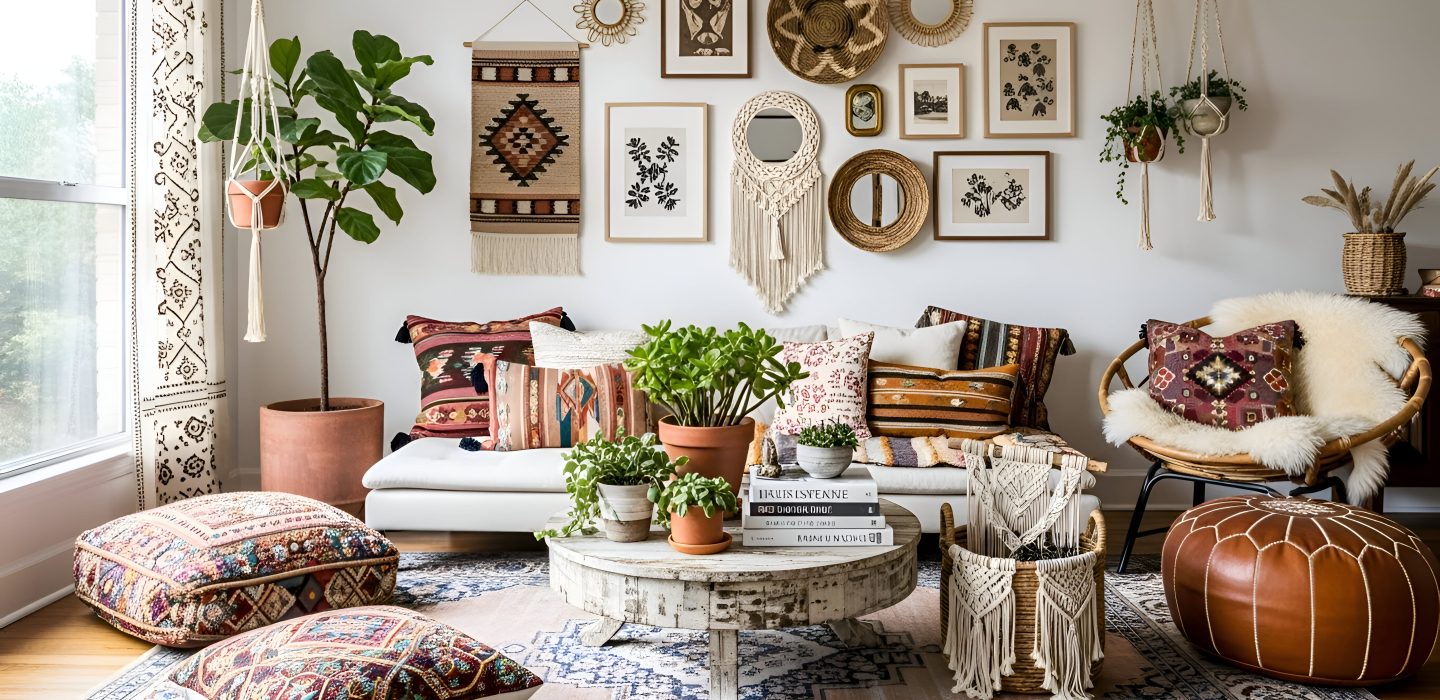

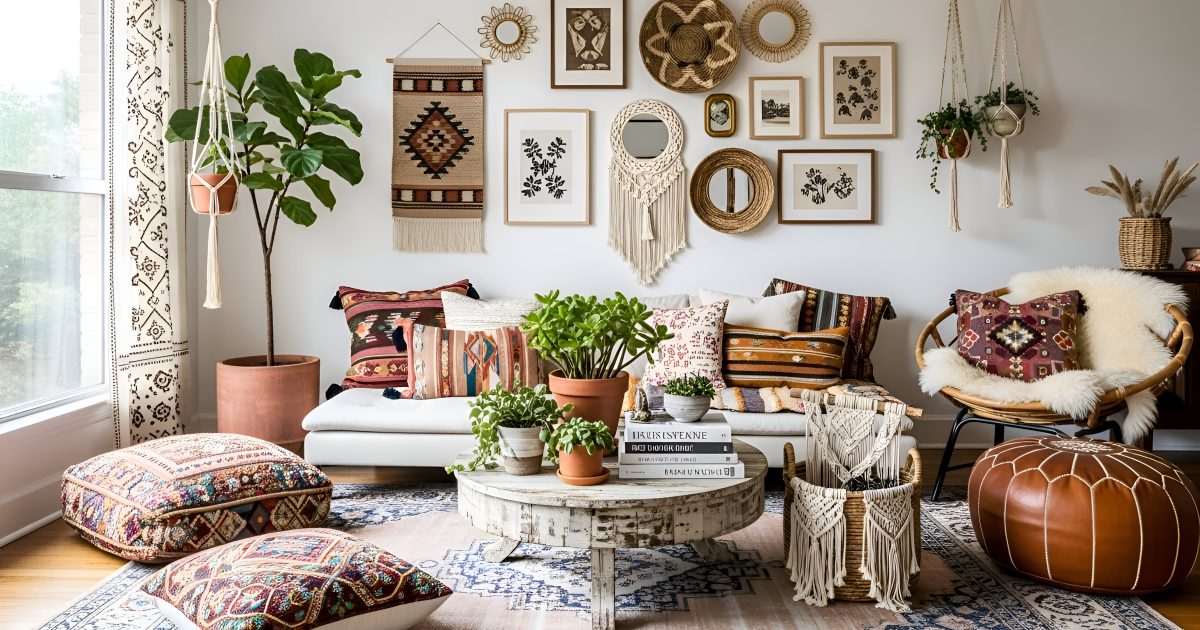
Needlepoint cushions, embroidered textiles, hand-painted ceramics, and vintage-inspired pieces are becoming a bigger part of the 2026 home design conversation, with retailers and designers pointing to growing interest in more personal-looking spaces.
The shift isn’t a proven nationwide return to traditional crafts, but a growing market and design-industry trend toward handmade details, vintage finds, and décor with a more personal feel. Retailers including Michaels report increased interest in creative hobbies and DIY projects, while design surveys point to stronger attention toward vintage textiles and antique pieces.
For homeowners looking for inspiration, the trend suggests a move away from perfectly matched spaces and toward rooms that include items with visible character, craftsmanship, and history.
Crafting and DIY interest is showing new momentum
Michaels’ 2026 Creativity Trend Report highlights growing interest in what it calls “analog hobbies,” including knitting, crochet, embroidery, journaling, and painting. According to Michaels’ own search and sales data, searches for these hobbies increased 136% over six months, while yarn-accessory sales increased 40% year over year.
The retailer also reported sharp increases in specific craft categories. Michaels said needlepoint searches rose 251% year over year and sewing-pattern searches increased 152%. The company describes this movement as “Skill Stacking,” where people combine creative skills and explore different forms of making.
The company’s figures reflect Michaels shoppers and platform activity, not all U.S. households. Still, the data shows that handmade activities are receiving more attention within the retailer’s customer base.
That interest is also appearing in home-related projects. Michaels reported that visible-mending searches increased 144% and DIY-home-decor searches increased 79% year over year as part of its “Wabi-Sabi Spaces” trend.
The idea behind this style is centered on spaces that show personality rather than looking completely uniform. However, the claim that handmade décor is replacing showroom-style perfection remains a trend interpretation from Michaels, not an independently measured national outcome.
Related: Easy Ways to Redecorate Your Home Without Spending a Fortune
Designers are looking back to vintage materials
The handmade-inspired look is not limited to craft projects. Design professionals are also showing interest in vintage and antique elements when creating interiors.
A 1stDibs survey of 468 design professionals found that 36% of items sourced for projects in 2025 were vintage or antique, which the company said was the highest share since 2021. The survey also found that 85% of respondents sourced vintage items.
The survey represents the professional designers connected to the 1stDibs Trade network, rather than consumers across the wider population. Still, it points to the continued influence of older materials and collected pieces in professional design choices.
Vintage textiles are another area receiving attention. Apartment Therapy’s 2026 State of Home Design survey of 140 interior designers found that vintage textiles were the leading answer when designers were asked which vintage item would become highly sought after in 2026.
Items such as tapestries, fiber art, handwoven rugs, and quilts are part of that design conversation. The survey reflects designer forecasts and opinions rather than audited market sales.
Retailers see demand for pieces with character
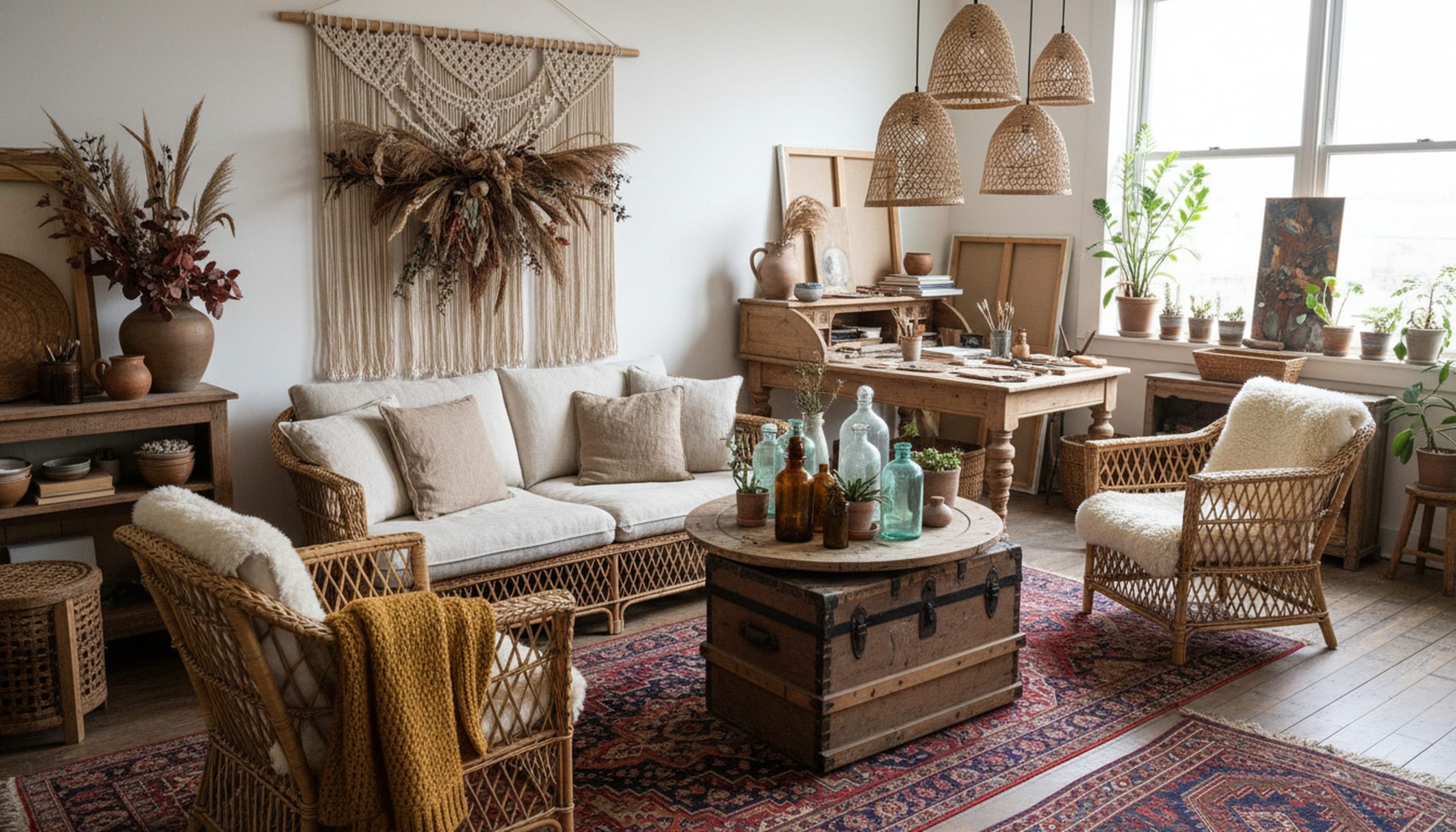
Large home retailers have also noticed interest in more handcrafted-looking décor.
The New York Times reported that HomeGoods and Homesense have seen greater interest in hand-drawn art, artisan-made wood furniture and hand-painted ceramics. These observations come from retailer comments reported by the publication and are not publicly released sales figures.
Etsy has also highlighted the movement, with its in-house trend expert saying that “heritage crafts are resurging” as shoppers look for objects that feel personal, imperfect and intentional. Etsy’s statement is company trend commentary, not independent research.
The same preference for individuality appears in broader interior style predictions. In the 1stDibs survey, designers selected maximalism and eclecticism among styles expected to remain popular in 2026. Maximalism received 39% of responses, while eclecticism received 38%. Floral and botanical motifs were selected by 22% of respondents.
These design choices create space for handmade textiles, embroidered details, and vintage-inspired pieces to fit naturally into homes.
What homeowners can take from the trend
The growing attention around handmade-looking décor does not mean every home is expected to become a craft-focused space. Instead, the trend reflects a broader design interest in pieces that feel distinctive and less mass-produced.
For homeowners interested in exploring the style, the focus is on adding character through details such as handmade-inspired artwork, vintage textiles, ceramics, and items that show craftsmanship.
The 2026 home trend conversation suggests that personal touches are becoming an important part of interior design discussions. Whether you create something by hand or choose a vintage piece, the appeal comes from making a space feel connected to the people who live there.
Other Posts You Might Like
- Valuable Items Designers Always Hunt for at Thrift Stores
- 8 Things In Your Home That May Make Your Life Look Boring And Uninspired
- Ultimate Guide to Dad DIY Projects: Top 10 Ideas and Tips for Every Father
- 10 Strangest and Most Creative DIY Projects You Have to Try
The post Handmade-Looking Décor Gains Attention as 2026 Home Design Trend first appeared on Crafting Your Home.
If you like what you just read, then subscribe to our newsletter and follow us on social media.


