


Walk into a middle-class American home in the 1980s or 1990s, and there were certain things you could almost guarantee you would find.
The furniture might have been different. The neighborhood might have changed. But many homes shared the
same familiar details: a kitchen drawer full of mystery items, a living room nobody was allowed to mess up, and cabinets packed with products that seemed to last forever.
These household items were more than simple objects. They represented a specific era of American family life,
when many families gathered around the television at night, and children played outside until the streetlights came on. Homes were designed around comfort, practicality, and togetherness.
According to the Smithsonian’s National Museum of American History, everyday objects often reveal important stories about how Americans lived, worked, and connected.
Here are some things many middle-class moms in the 80s and 90s always seemed to have at home.
A plastic container collection that never seemed to end

Every kitchen had that cabinet or drawer.
Inside were dozens of plastic containers saved from leftovers, old butter tubs, and food packaging. Throwing away a perfectly good container felt almost impossible.
Brands like Tupperware became a major part of American household culture during this period. The company’s
famous home party sales model helped make plastic food storage containers common in millions of homes.
According to Tupperware’s history, the company helped popularize reusable food storage products in American households starting in the mid-20th century.
Many moms treated these containers like valuable kitchen equipment. The only challenge was finding the matching lid.
A formal living room nobody was allowed to touch
Many homes in the 1980s and 1990s had a room that looked perfect but was rarely used.
The furniture was carefully arranged. The carpet stayed clean. Decorative pillows remained exactly where they were placed.
For many families, the living room represented a more formal side of home life, while the family room or den was where people actually relaxed.
Interior design trends from the era often emphasized separate spaces for entertaining guests and everyday family activities.
The result was a room that sometimes felt more like a showroom than a place to live.
A giant collection of cookbooks and handwritten recipes
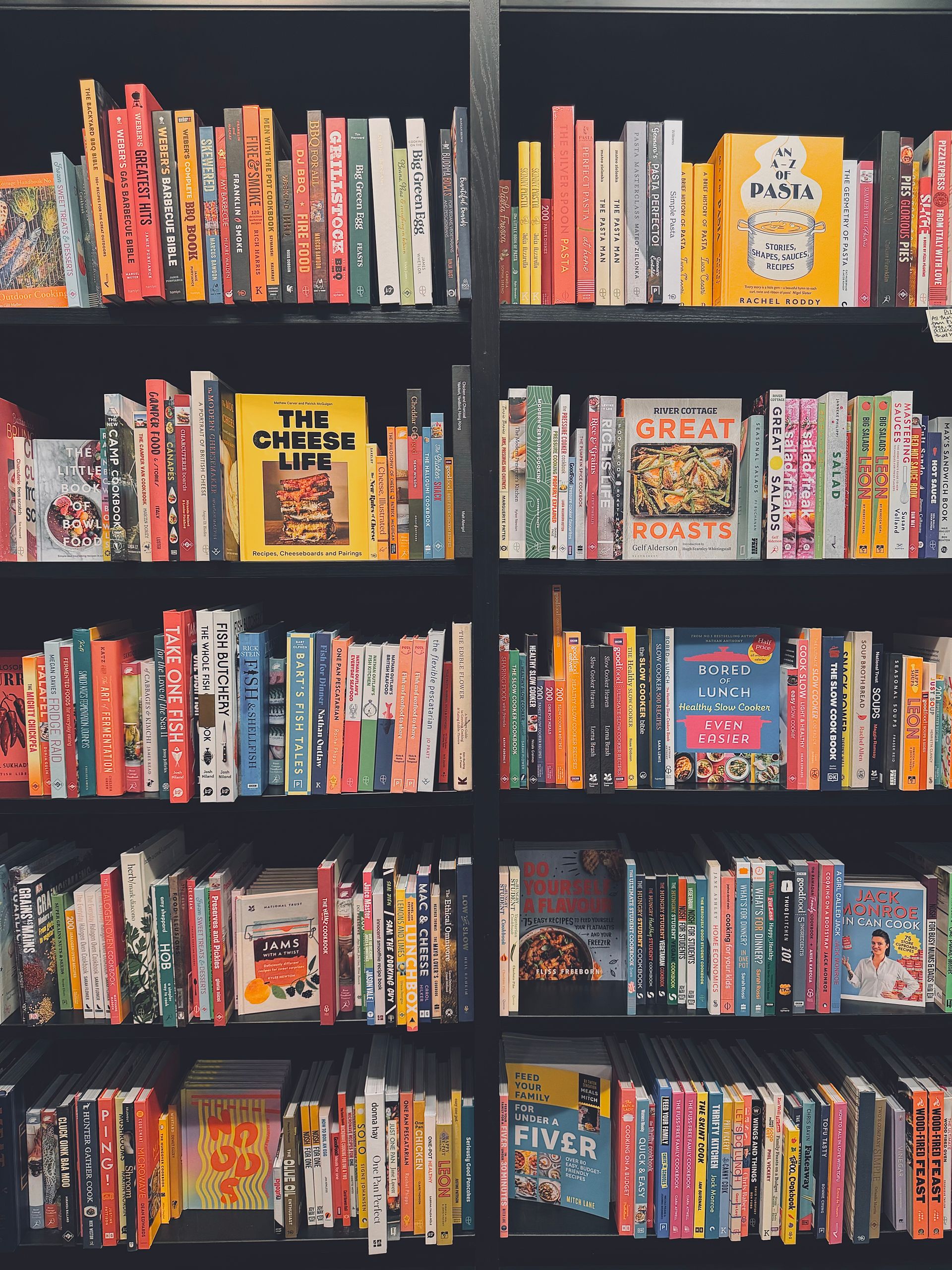
Before smartphones and online recipe searches, kitchens depended heavily on cookbooks, recipe cards, and family notes.
Many moms had shelves filled with cookbooks from community groups, churches, magazines, and famous television personalities.
Recipes were often written on index cards, stored in boxes, or passed down through generations.
The Library of Congress has documented how recipes and cookbooks reflect American culture by preserving stories about food traditions and family life.
A handwritten recipe card from the 80s or 90s often carried more than instructions. It carried memories.
A landline phone with a very long cord
Before smartphones and texting, the family phone usually sat on the wall or on a table.
Many homes had a landline phone with a cord long enough for someone to walk around the kitchen while talking.
For teenagers especially, the phone became a social lifeline. Long conversations happened while parents
reminded them not to block the line.
According to the Pew Research Center, household adoption of internet and mobile technology dramatically
changed communication habits in later decades.
The landline phone was once one of the most important communication tools in American homes.
A freezer full of frozen convenience foods
The 80s and 90s were a major era for convenient frozen meals and packaged foods.
Busy families often relied on frozen pizzas, TV dinners, frozen vegetables, and quick snacks to simplify meal prep.
Companies such as Swanson helped popularize frozen TV dinners in American culture decades earlier, and frozen convenience foods remained common household staples.
The rise of these products reflected changing lifestyles as more families balanced work, school, and other responsibilities.
A sewing kit that fixed everything
Many moms had a sewing box filled with needles, thread, buttons, scissors, and fabric scraps.
Even families who did not sew regularly often kept one nearby because small clothing repairs were common.
A missing button or loose seam did not always mean buying something new. Many items were repaired and reused.
This reflected a household mindset focused on practicality and making things last.
A stack of old magazines near the coffee table
Coffee tables in many homes were rarely empty.
They often held magazines about cooking, celebrities, home improvement, parenting, or current events.
Publications like Reader’s Digest, Good Housekeeping, and family magazines were common sources of information and entertainment.
Before online articles and social media feeds, magazines played a major role in shaping everyday conversations.
A VCR and a pile of VHS tapes
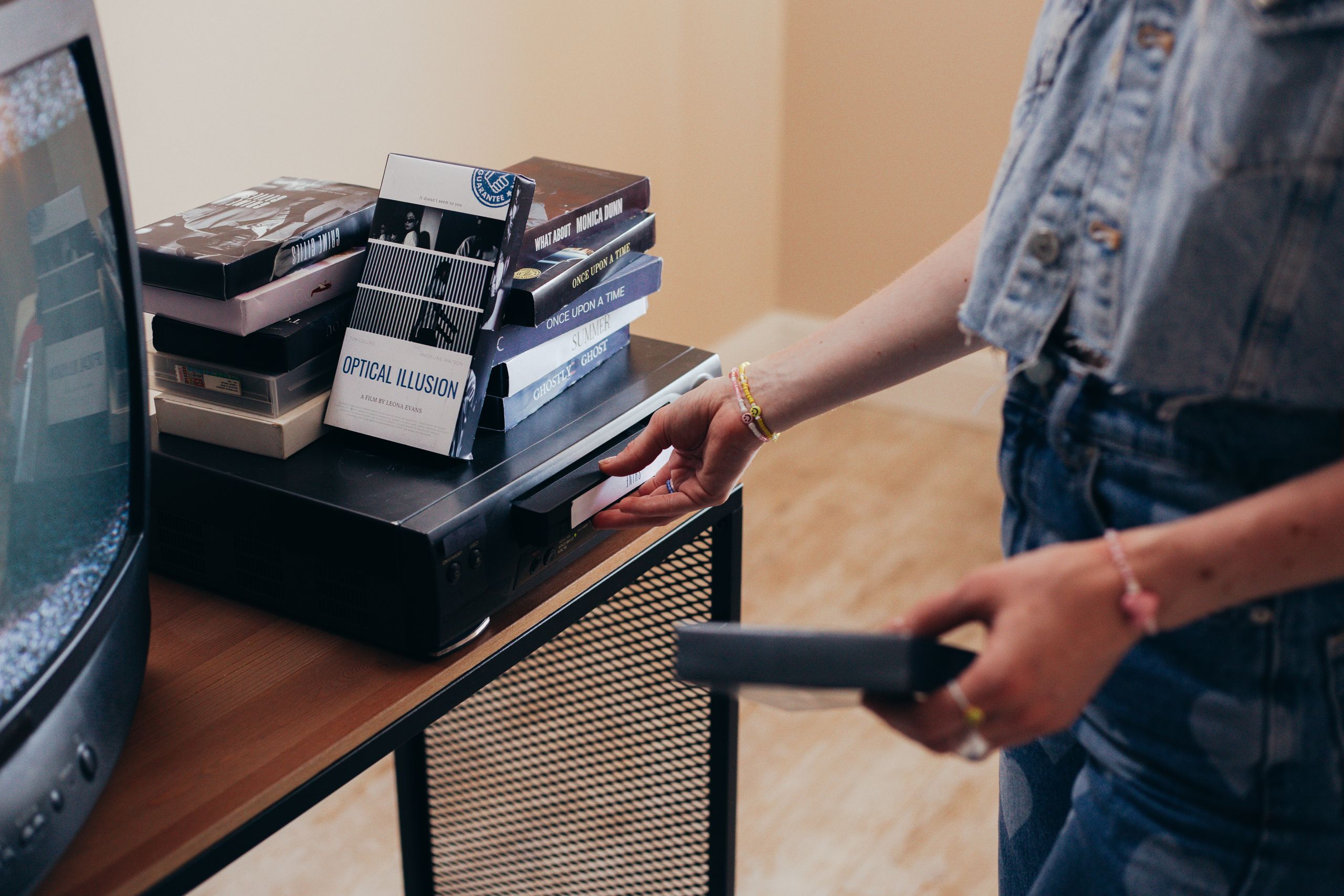
The VCR changed home entertainment in the 1980s and 1990s.
Families could record television shows, rent movies, and build personal collections of favorite films.
According to the Consumer Technology Association, home entertainment technology evolved rapidly during this period as households adopted new devices.
Many homes had shelves or cabinets filled with VHS tapes labeled with handwritten notes.
A junk drawer full of random household items
Every home had one.
Batteries, old keys, tape, rubber bands, instruction manuals, and tools somehow ended up together in the same
drawer.
The junk drawer was not organized, but it was useful.
It represented a time when people often kept items because they believed they might need them someday.
A collection of decorative towels nobody used
The bathroom and kitchen often had towels that looked too nice to touch.
They were colorful, embroidered, or decorated for holidays.
Many families kept separate towels for everyday use and special occasions.
It was a small example of a larger household tradition: saving certain things for guests or important moments.
Final thoughts
The homes of middle-class families in the 80s and 90s reflected a different pace of life. Many household items
were practical, reusable, and built around family routines.
Some of these things may seem outdated today, but they represent memories many people still recognize family
dinners, weekend cleaning, movie nights, and conversations around a kitchen phone.
The objects inside a home often tell the story of the people who lived there. For many Americans, these familiar items bring back a time that felt simpler, slower, and deeply connected to everyday family life.
Other Post You Might Like
- 17 Rapid Growth Shrubs to Transform Your Yard into a Lush, Private Oasis
- 14 Unassuming Apps That Could Leak Your Family’s Location
- What Boomers Afforded Easily That’s Out of Reach Today
- 10 Best Plants for Rain Gardens to Combat Runoff and Erosion
- Eating These 6 Foods Could Be Ruining Your Cholesterol
The Post Things Middle-Class Moms in the 80s And 90s Always Had in Their House. First appeared in Crafting Your Home
If you like what you just read, then subscribe to our newsletter and follow us on social media.


