


School taught us more than math, history, and science. Somewhere between the classroom bells, lunch breaks, group projects, and awkward teenage moments, we picked up lessons that quietly followed us into adulthood.
Not every important lesson came from a textbook. Some came from watching classmates, dealing with teachers, making mistakes, and learning how people work together.
These unwritten lessons are sometimes called the “hidden curriculum,” the social rules and behaviors people learn through everyday experiences rather than formal instruction. Researchers describe it as the unofficial learning that happens through school culture, relationships, and expectations.
Some rules were funny. Some were frustrating. Some probably saved us from embarrassing moments later in life.
Here are the unofficial rules many of us learned during our school years.
You learn quickly that reputation matters.
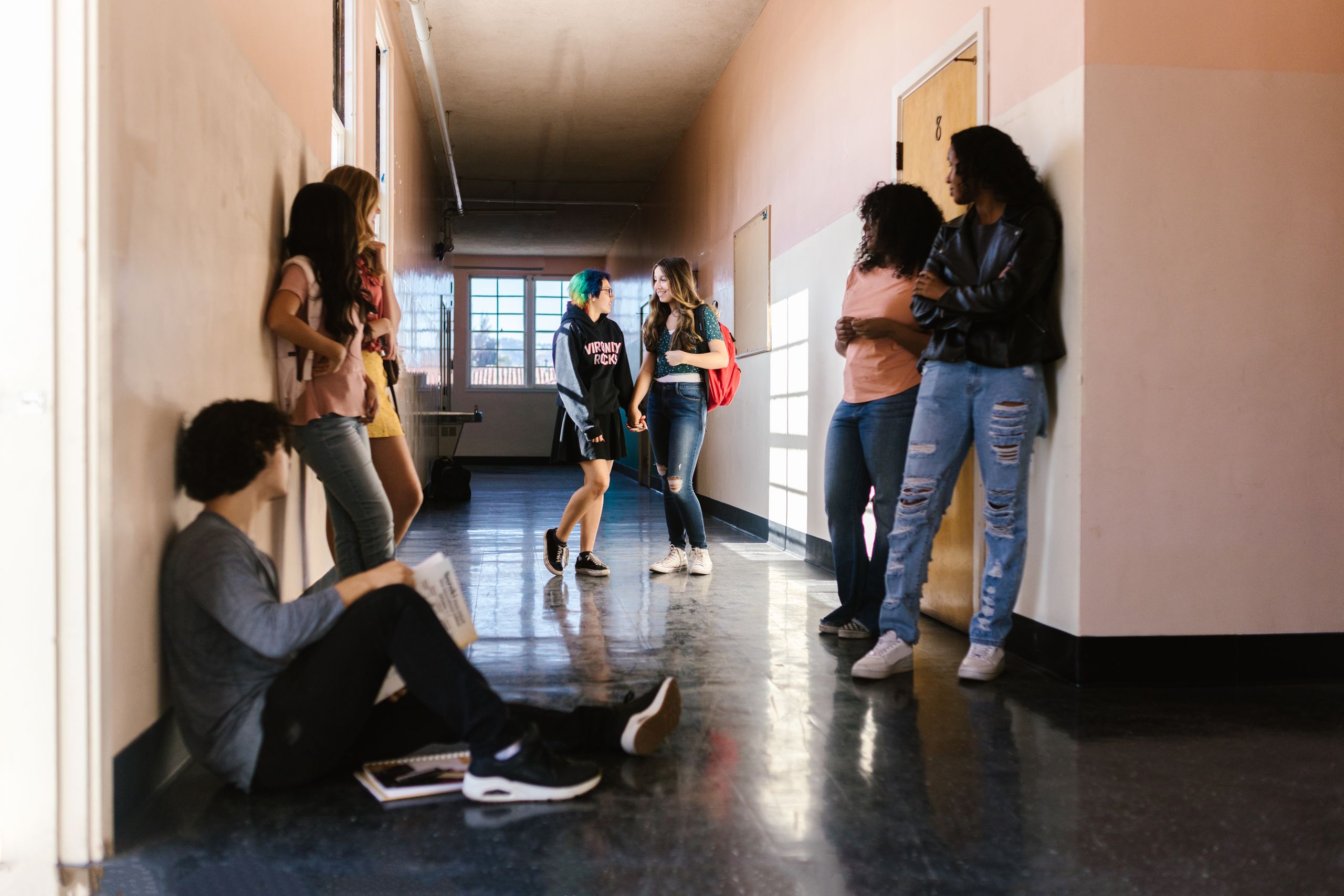
Every school had its own social world.
Within days of starting a new class, students often learned who was considered funny, serious, popular, quiet, or “the smart one.”
Nobody handed out a guidebook. You watched, listened, and adjusted.
Schools naturally create social environments where students learn how groups work, how friendships form, and how people respond to different behaviors.
That lesson follows people into adulthood.
Workplaces, communities, and friendships all have their own unwritten expectations. People quickly notice how someone communicates, treats others, and handles pressure.
School was often the first place we discovered that how people see you can affect how they treat you.
Raising your hand taught you that timing matters.
Remember those students who answered every question before the teacher finished speaking?
Some were admired. Some were secretly annoying everyone.
School quietly taught us that knowing something is one thing but knowing when to speak is another.
The lesson was not simply “be quiet.” It was about reading the room.
Social situations often require understanding when to contribute, when to listen, and when to let someone else have the moment. Unwritten social rules like taking turns speaking and paying attention to others are learned early through interactions with classmates and teachers.
That skill becomes useful everywhere, from job interviews to family conversations.
Nobody likes someone who doesn’t do their part.
Group projects created some of life’s earliest lessons about teamwork.
Every class had a person who disappeared until the day before the assignment was due.
Then there was a person who tried to do everything themselves.
Somewhere between those two extremes was the lesson: working with others requires effort from everyone.
School group projects were often frustrating, but they taught a basic truth about adult life.
At work, in relationships, and in communities, people remember who contribute and who makes things harder.
Related: 15 Everyday Items That Are Worth More Than You Think
Failure is embarrassing, but it is not the end.
Few things felt worse than getting a bad grade, giving a wrong answer, or failing a test you studied for.
At the time, it could feel like a disaster.
Years later, many people realize those moments were practice for life.
School introduced us to failure in a controlled environment. It taught us that mistakes happen, feedback helps, and improvement is possible.
The student who struggled with math in seventh grade could become the person solving difficult problems years later.
The embarrassing moments usually became the stories we laughed about.
The loudest person is not always the smartest person.
Schools often teach us important lessons about confidence.
The person who talked the most was not always the person with the best ideas.
Sometimes the quiet student in the back of the classroom was paying attention, thinking deeply, and noticing things others missed.
Adulthood often reveals the same truth.
Confidence can be valuable, but listening, observing, and thinking before speaking are powerful skills too.
Your friends shape more than your memories.
Many people remember school because of their friendships.
The jokes during lunch. The conversations after class are great. The friends who helped you survive difficult days.
School friendships taught us how to cooperate, apologize, forgive, and understand different personalities.
They also taught an important life lesson: the people around you shape who you become.
Some friendships lasted decades. Others disappeared after graduation.
But almost everyone remembers the people who made those years easier.
Related: Eating These 6 Foods Could Be Ruining Your Cholesterol
Everyone is fighting a battle you cannot see
School was often the first place where many people learned empathy.
The student who seemed rude might have been dealing with problems at home.
The classmate who struggled academically might have needed help, not criticism.
Growing up around different personalities teaches people that appearances don’t tell the whole story.
That lesson becomes even more importan in adulthood.
People carry invisible challenges, and kindness often matters more than we realize.
Following every rule is not the same as learning.
Schools had plenty of rules.
Some made sense. Some felt completely unnecessary.
Students learned that rules existed for reasons, but they also learned to question things.
Many successful people credit curiosity and the willingness to challenge ideas as important parts of growth.
Life requires knowing when to follow instructions and when to think independently.
You cannot avoid people forever.
School forced us to interact with people we did not choose.
You had to work with classmates you did not like. You had to sit beside people with different personalities and opinions.
It was uncomfortable.
But it prepared many people for adult life, where workplaces and communities include all kinds of personalities.
Learning patience became one of the most valuable lessons.
Small acts of kindness stay with people.
A simple gesture in school could mean everything.
Sharing notes. Saving a seat. Helping someone understand homework. Including someone who felt left out.
Many people remember these moments years later.
School taught us that kindness does not always require a huge effort.
Sometimes the smallest actions create the strongest memories.
Competition can motivate you, but comparisons can hurt you.
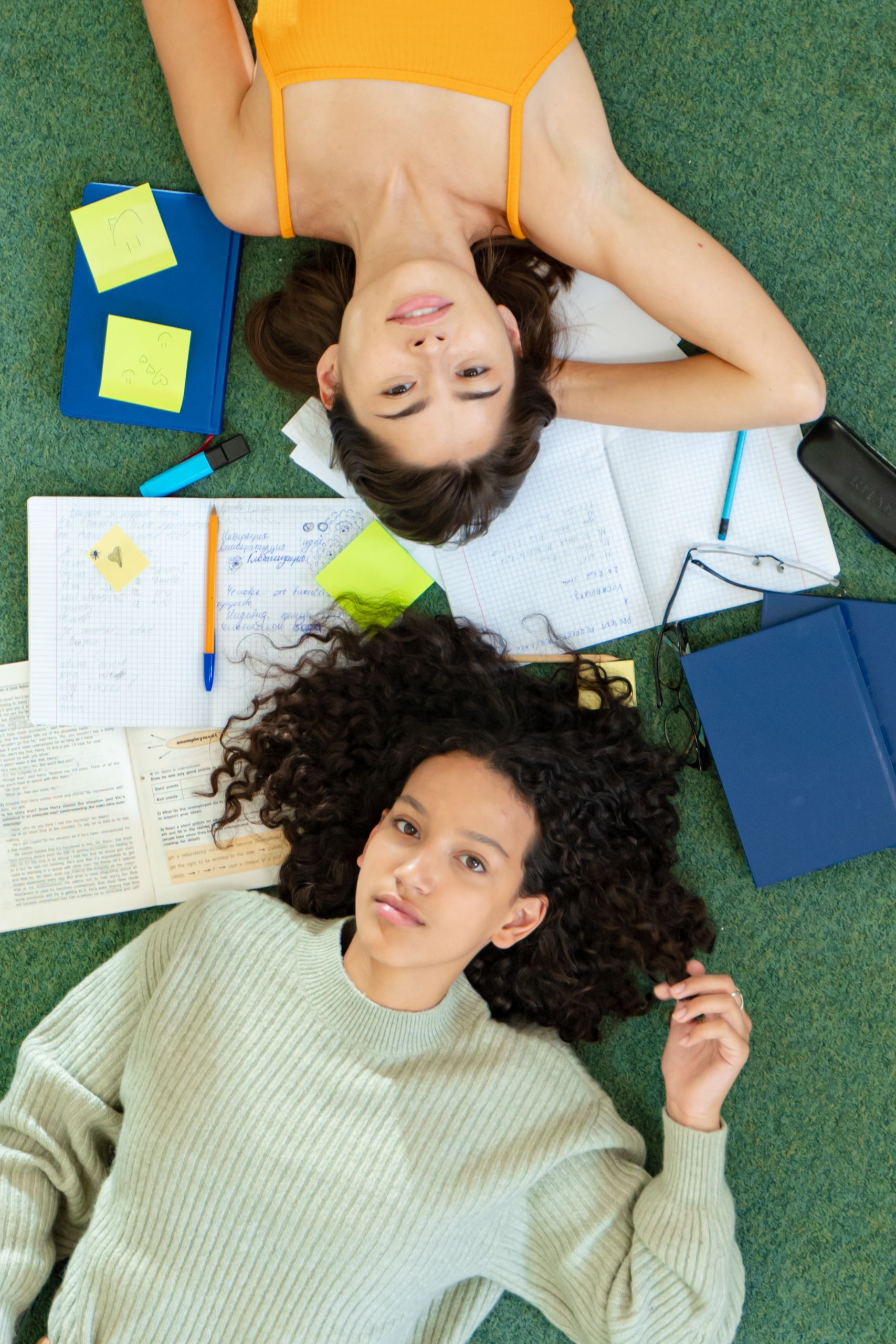
Grades, sports, awards, and rankings introduced students to competition early.
Competition can encourage growth, but constant comparison can also create pressure.
Many people eventually learn that success looks different for everyone.
The person who was ahead in school may not be ahead in life.
The person who struggled early may surprise everyone later.
Related: 6 Genius tiny-living hacks that will transform your apartment
Confidence comes from trying, not always winning.
School rewards achievements, but one of the biggest lessons comes from participation.
Joining a club, answering a question, trying out for a team, or presenting in front of classmates all build confidence.
Confidence usually grows after doing something uncomfortable.
School gave many people their first chance to discover what they could do.
The world does not always grade you fairly.
School often created the idea that effort always leads to rewards.
Real life is more complicated.
Sometimes people work hard and still face setbacks.
Sometimes opportunities arrive unexpectedly.
School prepared us by teaching persistence, but adulthood taught us flexibility.
The best lessons were often between classes.
The most memorable parts of school were rarely the chapters in textbooks.
They were the conversations in hallways, the friendships, the mistakes, and the moments nobody planned.
Those experiences taught lessons about people, confidence, patience, and resilience.
The classroom gave us information.
But school itself gave us experience.
And many of those unofficial rules stayed with us long after the final bell rang.
Other Post You Might Like
- 17 Rapid Growth Shrubs to Transform Your Yard into a Lush, Private Oasis
- 14 Unassuming Apps That Could Leak Your Family’s Location
- What Boomers Afforded Easily That’s Out of Reach Today
- 10 Best Plants for Rain Gardens to Combat Runoff and Erosion
The Post the Unofficial Rules of Life We Learned from School first appeared in Crafting Your Home
If you like what you just read, then subscribe to our newsletter and follow us on social media.


