

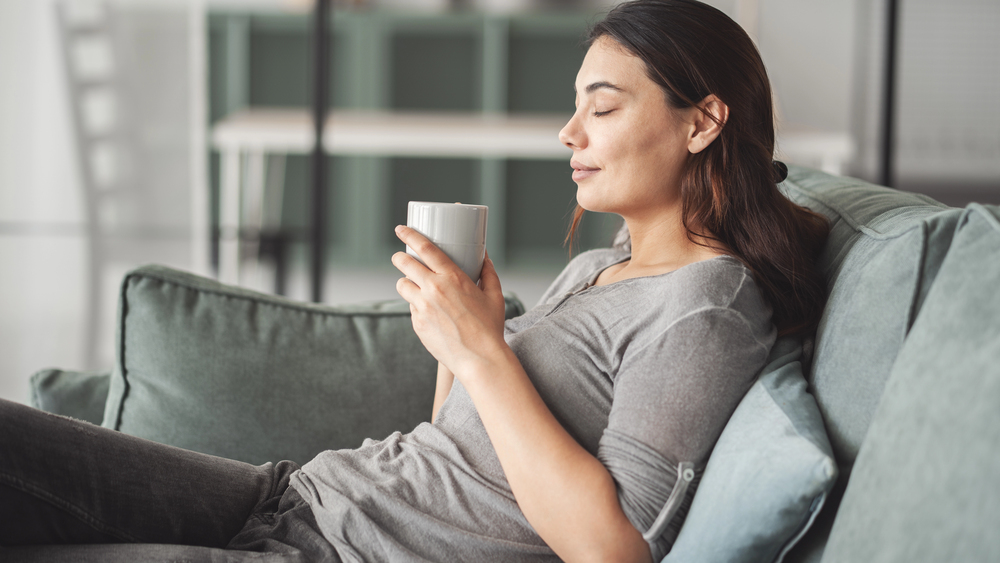
A living room is more than just a place with a sofa, television, and coffee table. It is where you relax after a long day, connect with family, enjoy quiet moments, and create memories. The way this space looks and feels can influence your mood more than you might realize.
Many people focus on expensive furniture, trendy decorations, and stylish designs when creating a comfortable home. But happiness often comes from something simpler: a room that feels calm, personal, and easy to live in. Happy people know a peaceful living room doesn’t require perfection. Instead, they remove things that create unnecessary stress, visual noise, and emotional clutter.
A Chair That Has Become a Permanent Storage Area
Almost every home has one chair that slowly stops being a chair. A jacket gets placed there. Then a bag. Then some mail. Before long, the chair disappears under a pile of things that were never meant to stay there. Happy people understand that small areas of clutter can affect how a room feels. They don’t aim for a perfectly organized home every second, but they keep clutter from taking over important spaces.
Instead of turning a chair into a storage zone, they create simple solutions. A basket near the entrance, wall hooks, or a designated spot for everyday items can prevent unnecessary mess. A living room should invite you to sit down. When furniture becomes storage, the room loses part of its purpose.
Dying Plants That Create More Stress Than Beauty
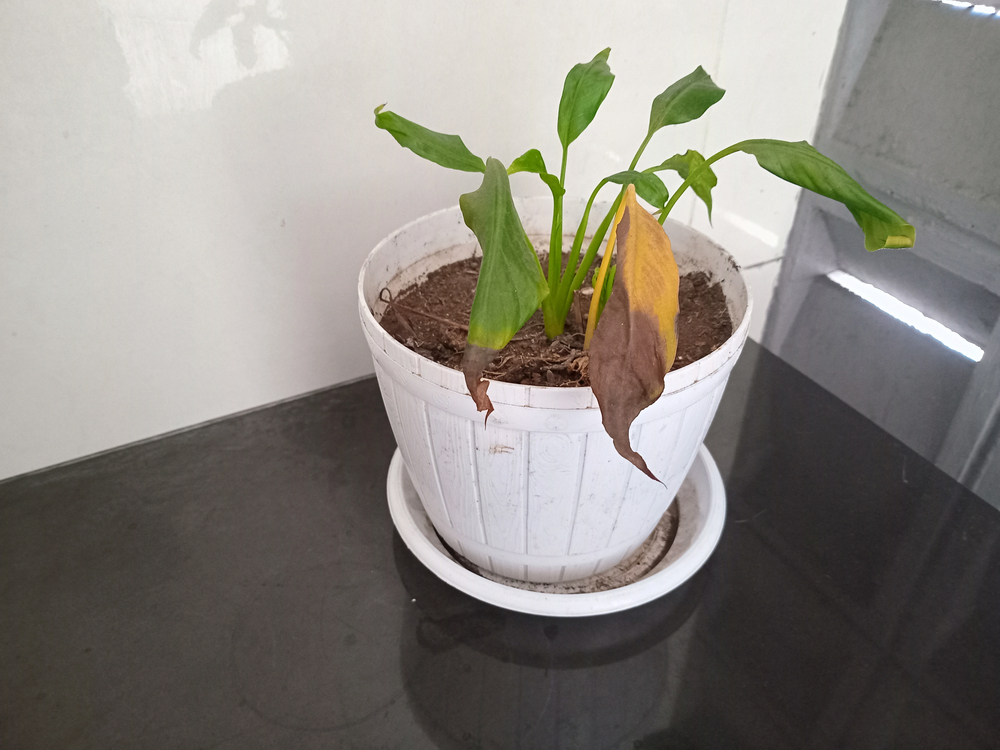
Plants can make a living room feel fresh and welcoming. They add color, improve a space’s appearance, and bring a small connection to nature indoors. However, neglected plants can have the opposite effect.
Happy people do not keep struggling plants around forever. They either care for them properly, move them to a better location, or replace them with options that match their lifestyle. A collection of dry leaves and unhealthy plants can make a room feel neglected. It becomes another reminder of something unfinished. Healthy greenery adds life to a space. The goal is not to create an indoor garden. Even one well-cared-for plant can make a noticeable difference.
Related: 10 Simple Ways to Help Your House-Plants Survive Winter
Coffee Tables Covered With Random Items
Coffee tables often become magnets for clutter. Receipts, remote controls, unopened mail, books, and random objects can slowly cover the surface. Happy people keep these areas functional. They may use trays or small storage containers to organize items while keeping the table visually simple. Important things remain accessible without turning the entire surface into a collection area.
A clear coffee table creates breathing room. It makes the living room feel larger and more peaceful. Small surfaces have a surprising impact because they are often the first places people notice when entering a room.
Furniture That Overwhelms the Entire Space
A large sofa may seem like the perfect choice for comfort. More seats sound better, especially for families or people who enjoy hosting guests. However, furniture that is too large for a room can create the opposite effect.
When a sectional sofa takes over most of the living room, movement becomes difficult. The space can feel crowded, even if the room contains expensive furniture. Happy people focus on balance. They choose furniture that provides comfort while leaving enough open space to move, relax, and enjoy the room. A comfortable home is not about filling every corner. Sometimes the best design choice is leaving room to breathe.
A Television Setup That Controls the Entire Room

A television is a normal part of many homes. Happy people don’t avoid screens completely. They enjoy movies, sports, and entertainment like everyone else. The difference is that the television does not become the center of their entire living space. In some homes, every piece of furniture faces the screen. The sofa points directly toward the television, chairs are arranged like a waiting room, and the coffee table becomes a permanent snack station. The entire room exists around watching instead of living.
People who create happier spaces usually think differently. They arrange furniture to encourage conversation, reading, hobbies, and relaxation. The television becomes one part of the room instead of the reason the room exists. A balanced living room gives you options. You can watch a show, talk with someone, enjoy a cup of coffee, or simply sit quietly without feeling like the room is demanding your attention.
Related: 6 Genius tiny-living hacks that will transform your apartment
Decorations That Have No Personal Connection
A beautiful living room does not need to look like a showroom. In fact, spaces filled with random decorations can sometimes feel cold and disconnected. Happy people usually choose items that have meaning. A photo from a memorable trip, a handmade object from a family member, or artwork that reflects personal taste can make a room feel alive.
This does not mean every object needs a dramatic story. A simple vase or a comfortable blanket can still belong in a happy home. The important part is that the items feel intentional. When every decoration exists only because it follows a trend, the room can lose personality. It may look expensive but still feel temporary. A comfortable living room should remind you of your life, your experiences, and what matters to you.
Harsh Lighting That Makes the Room Feel Uncomfortable
Lighting strongly affects how a room feels. A bright overhead light may be useful for cleaning or specific tasks, but it often creates a cold atmosphere when used all the time. Happy people often use softer lighting options to make their living rooms feel warmer. Floor lamps, table lamps, and gentle lighting create a more relaxed environment.
The goal is not to spend thousands on a complete redesign. Sometimes, changing how you use existing lights can completely change the mood. A softer room encourages relaxation. It signals that the day is slowing down and creates a more comfortable atmosphere for conversations, reading, or resting.
A Living Room Designed Only for Guests
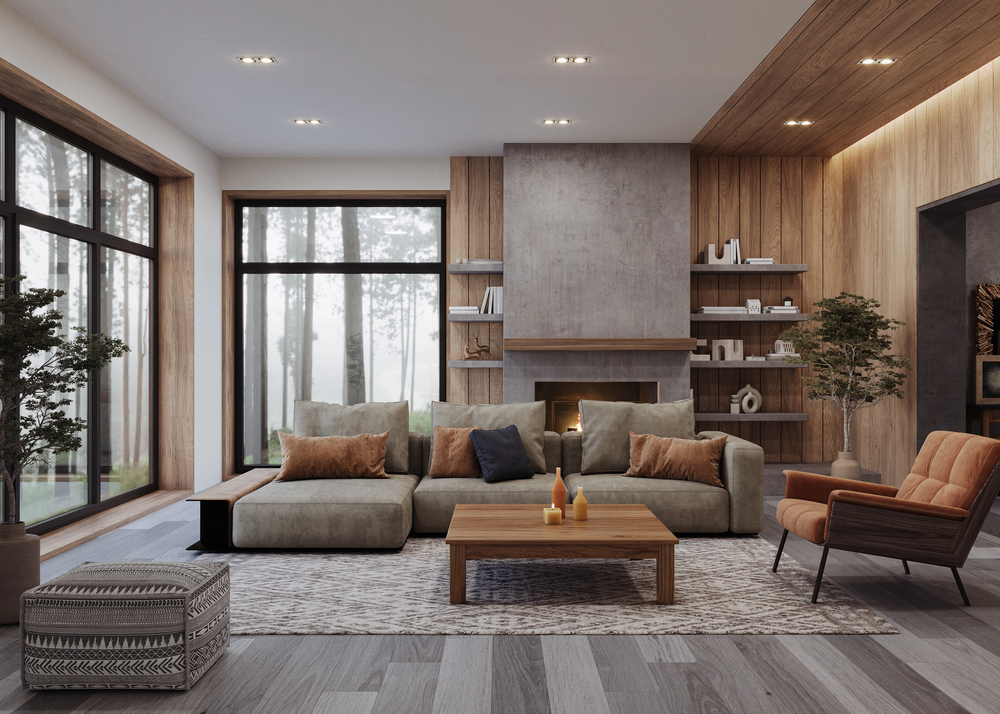
Some homes look perfect but feel uncomfortable. The furniture is arranged beautifully, pillows are untouched, and everything seems prepared for visitors who may never arrive. Happy people usually create rooms for their actual daily lives. They want comfortable furniture they can use. They want spaces where they can relax after work, watch television, read a book, or spend time with family.
A living room should welcome guests, but it should first serve the people who live there. When a space becomes too focused on appearance, it can lose warmth. The happiest homes often show signs of real life because they are built around comfort rather than creating a perfect image.
Decorative Items That Never Get Used
Many people own beautiful candles, blankets, dishes, or decorations that exist only for appearance. Happy people tend to avoid collecting items that serve no purpose. A candle should create a pleasant atmosphere. A blanket should provide comfort. Decorations should contribute something positive to the room.
Unused objects can quietly create clutter because they take up space without adding value. A home should support your lifestyle instead of becoming a museum filled with things you are afraid to use.
Related: 7 Minimalist Decorating Ideas for a Calm and Clean Space
Key Takeaways

A happy living room is not defined by expensive furniture, perfect decorations, or following every design trend. It is defined by how the space makes you feel.
The most comfortable rooms usually share a few things: they are personal, functional, organized, and made for real life.
Removing unnecessary clutter does not mean creating a boring home. It means making room for what brings comfort, connection, and peace.
Your living room shouldn’t just look good in photos. It should support the moments that matter most. A welcoming space can influence your daily routine, your mood, and how you experience your home.
Other Posts You Might Like
- Why Are Americans So Unhappy? 8 Reasons Many People Feel More Miserable Than Ever
- 10 Hidden Realities Behind Why Funny People Are Often the Saddest
- How Long-Term Stress Affects the Body and Increases Health Risks
- America Doesn’t Just Have a Loneliness Crisis, It Has a Lovelessness Crisis: 8 Reasons Why
The post 9 Items Happy People Avoid Keeping in Their Living Rooms first appeared on Crafting Your Home.
If you like what you just read, then subscribe to our newsletter and follow us on social media.


