


Finding love later in life can feel like a second chance, but some women discover that a new romance after 60 comes with challenges they never saw coming.
After decades of building a life, raising children, developing friendships, managing careers, and learning who they are, many women reach their 60s with more independence than ever. Then someone new enters the picture. Suddenly, there are butterflies again, exciting conversations, shared dreams, and the feeling that life has opened a fresh chapter.
That feeling can be wonderful. Love has no expiration date, and the desire for companionship, affection, and emotional connection remains powerful at any age. But later-life relationships happen under very different circumstances than romances in younger years. Many women are no longer building a life from the beginning. They are inviting someone into a life they have already carefully created.
That difference changes everything.
A new relationship after 60 can bring happiness, but it can also introduce emotional, financial, and personal risks that are easy to overlook when excitement takes over. Understanding those risks does not mean avoiding love. It means entering it with your eyes open.
The excitement of a new romance can hide important warning signs
One of the biggest challenges of falling in love later in life is that experience can sometimes make people more vulnerable, not less.
After losing a spouse, going through a divorce, or spending years alone, a new relationship may feel like a long-awaited answer to loneliness. A kind message, a thoughtful gesture, or someone who genuinely seems interested can feel incredibly meaningful.
The danger comes when the need for connection outweighs the ability to evaluate the relationship clearly.
Some women may overlook behaviors they would have questioned earlier because they do not want to lose the possibility of love. They may explain away small concerns, ignore differences in values, or move faster than they normally would because they are grateful to have found someone again.
The early stages of romance often highlight the best version of a person. Time reveals the rest.
A healthy relationship after 60 still requires patience, observation, and honest conversations. Chemistry matters, but consistency matters more.
Financial independence can become a complicated issue
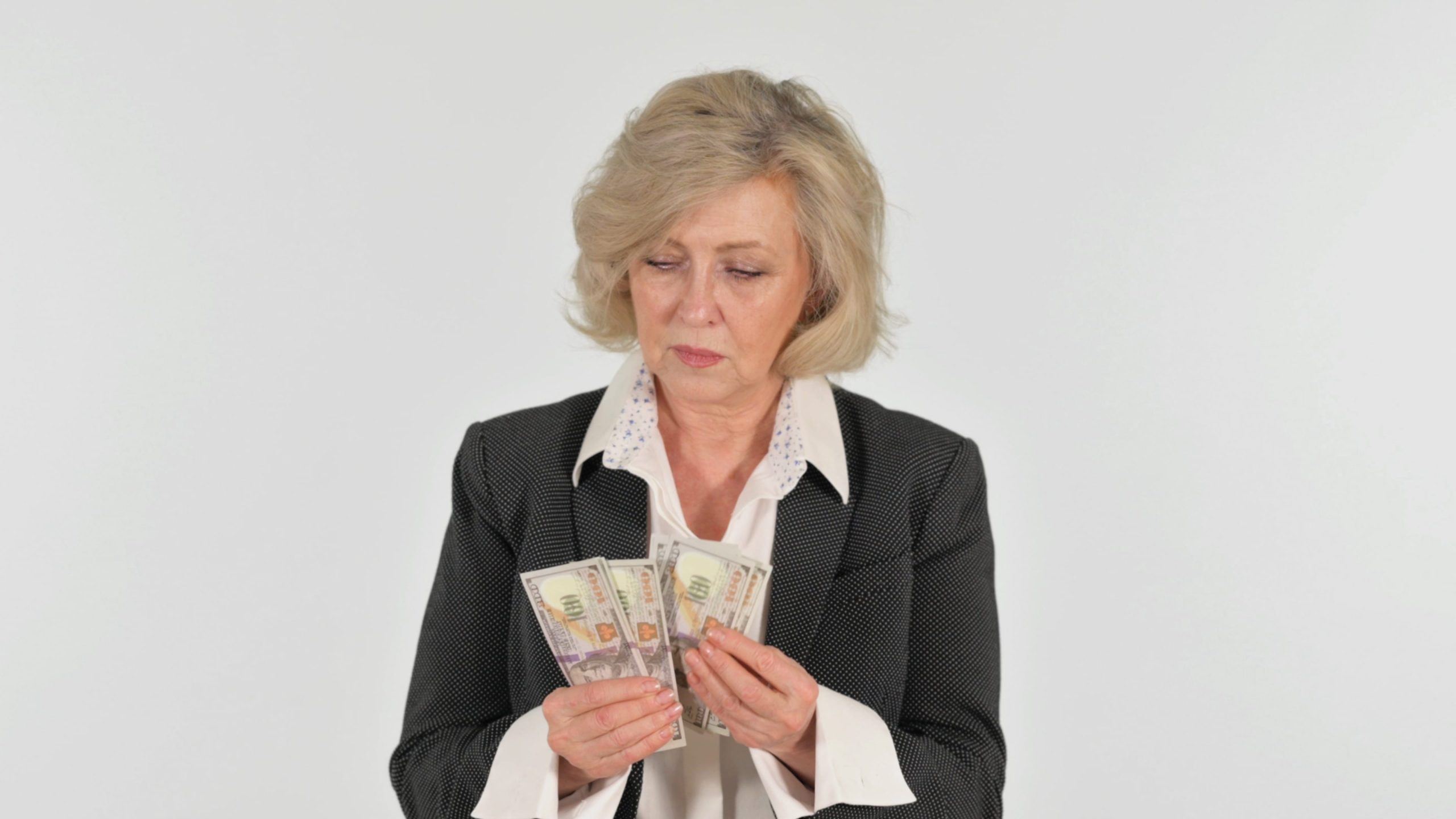
Money is one of the most sensitive topics in any relationship, but it becomes even more important later in life.
Many women over 60 have spent decades creating financial stability. They may own property, have retirement savings, manage investments, or simply value the freedom that comes with controlling their own finances.
A new partner can bring companionship, but merging lives financially requires careful thought.
Questions that may have felt unnecessary during younger relationships become essential. Who pays for what? Should accounts remain separate? Do you have debts, family obligations, or financial expectations to discuss?
Some relationships become complicated when one person begins relying heavily on the other financially. What starts as helping a partner through a difficult period can slowly become an unhealthy dependency.
Protecting financial independence is not a sign of distrust. It protects the life someone worked hard to build.
Love and financial boundaries can exist together.
Related: 7 Financial Problems That Tear Older Couples Apart
A partner may not fit into the life you already created
When people fall in love in their 20s or 30s, they often grow together as they build a shared future. After 60, two people often come together with complete histories behind them.
They may have different routines, family relationships, friendships, health priorities, and expectations about the future.
One person may want to travel constantly, while the other prefers a quiet home life. One may enjoy a busy social calendar, while the other values privacy. One may want to move closer to family, while the other wants to stay exactly where they are.
These differences do not automatically mean a relationship cannot work. In fact, many successful later-life couples thrive because they respect each other’s individuality.
The problem begins when one person expects the other to abandon the life they built.
A loving relationship should add something meaningful to your life, not erase the person you became.
Loneliness can make the wrong person feel like the right person
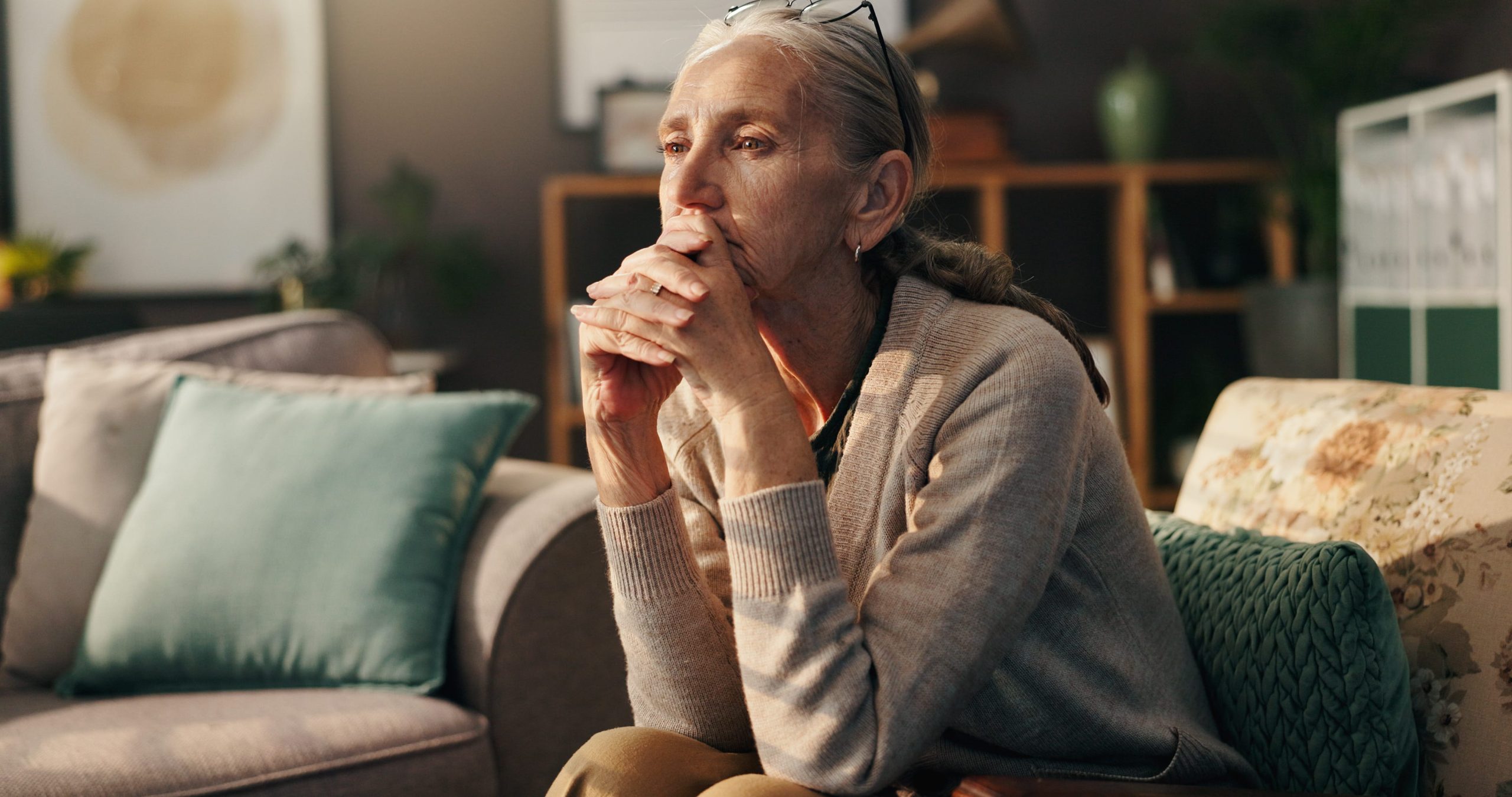
Loneliness is a powerful emotion. After retirement, losing loved ones, or watching children create lives of their own, many people experience a quieter world than they expected.
That quiet can make attention from a new partner feel especially valuable.
But companionship and compatibility aren’t the same.
Someone can make you feel less alone while still being the wrong person for your future.
Experts who discuss relationships later in life often point out that the human need for connection does not disappear with age. The desire for love, belonging, and attachment remains strong throughout life.
The challenge is making sure the relationship is built on genuine respect, not simply the relief of no longer being alone.
A peaceful single life is better than a stressful relationship that creates more loneliness than it removes.
Related: 10 Harsh Truths Behind Why Some Lonely Boomers Choose Sugar Relationships
Health conversations become part of love after 60
Health is another reality that many couples must face more openly later in life.
A new relationship may involve conversations about medical conditions, medications, mobility, caregiving expectations, and future plans.
These conversations are not always romantic, but they are necessary.
A couple who avoids discussing health issues may discover big differences later. One person may expect their partner to become a caregiver, while the other may not be prepared for that responsibility.
Love can inspire people to support each other, but support should come from understanding, not surprise.
Knowing each other’s realities creates stronger relationships.
Starting over does not mean giving up yourself

Perhaps the greatest danger of falling in love after 60 is forgetting who you were before the relationship began.
Some women spend years building confidence, independence, friendships, and personal interests. Then a new romance arrives, and those parts of life slowly begin to disappear.
They stop seeing friends as often. They abandon hobbies. They change routines to keep someone else happy.
Compromise is part of love. Losing yourself is not.
The healthiest later-life relationships are usually between two complete people who choose to share life, rather than two people trying to complete each other.
Love after 60 can be exciting, meaningful, and deeply rewarding. But the strongest relationships are not built on rushing into a new chapter. They are built on wisdom from the chapters that came before.
A second chance at love should not require giving up the life you already fought to create.
It should make that life even richer.
Other Posts You Might Like
-
9 Reasons Older Women Create Stronger, More Meaningful Relationships Than Younger Women
-
8 Things Older Women Should Consider Before Dating a Younger Man
The post Falling in Love After 60? Hidden Dangers Many Women Never See Coming first appeared on Crafting Your Home.
If you like what you just read, then subscribe to our newsletter and follow us on social media.


