

This article was originally published on Crafting Your Home. A human contributor also wrote and edited the post.
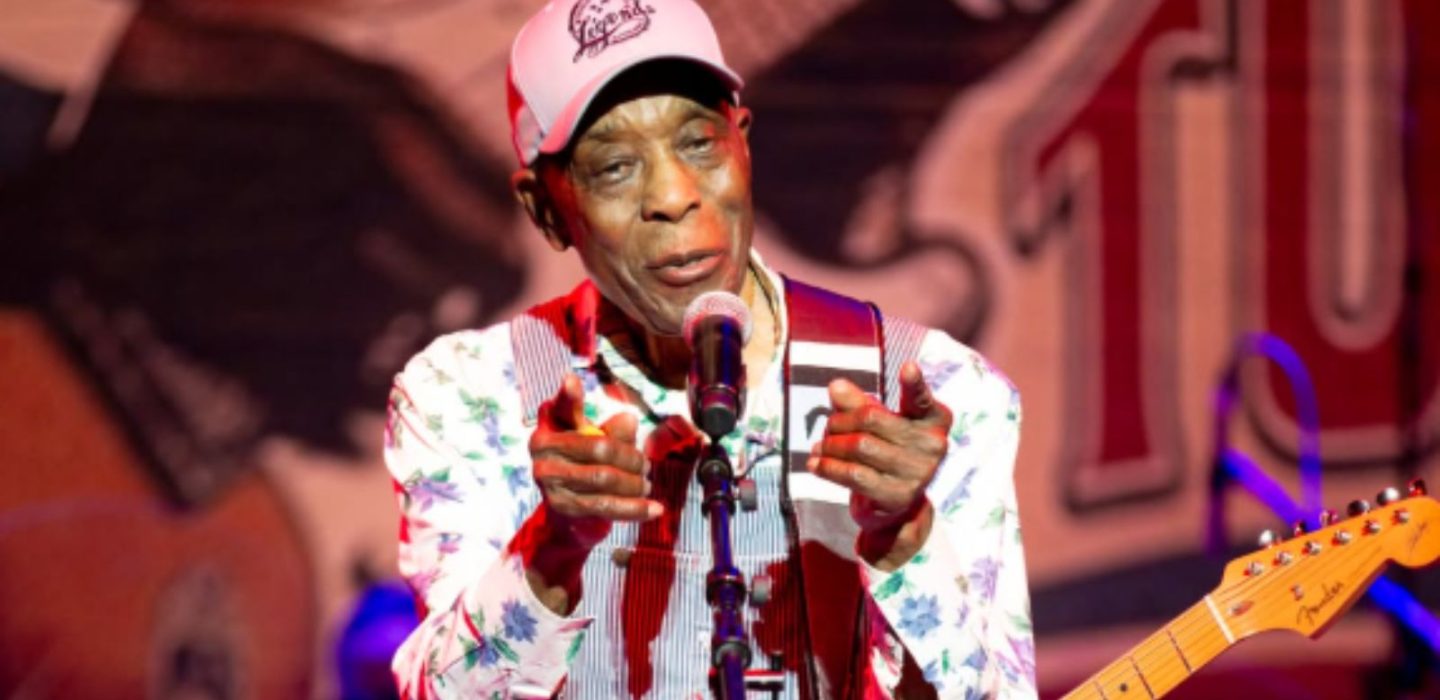
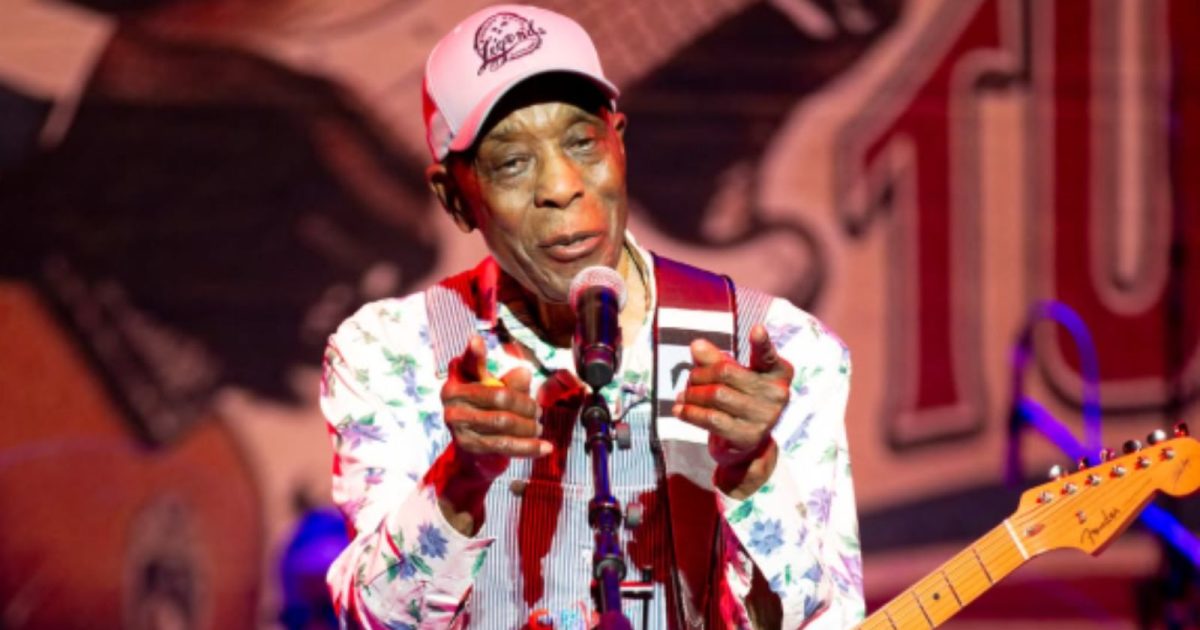
Buddy Guy just turned 90, and he is still out there onstage doing the thing that made him a legend in the first place.
In a new exclusive interview with PEOPLE, the blues icon opened up about why he keeps touring at an age when most people have long since traded the road for a recliner, and his answer has almost nothing to do with staying busy or chasing one more paycheck. It has everything to do with a promise he feels obligated to keep to the people who came before him.
Guy, who was born George Guy on July 30, 1936, in Lettsworth, Louisiana, celebrated his 90th birthday this year in the middle of the Buddy Guy 90 Tour, a run of shows that kicked off in Toronto in July and has continued across the United States through the fall.
That means the man who helped shape modern blues guitar has now spent roughly 75 years in music, a career that began in the cotton fields of rural Louisiana and eventually put him in rooms with Muddy Waters, B.B. King, and a young Jimi Hendrix, who counted Guy among his biggest influences.
A torchbearer, not just a touring act
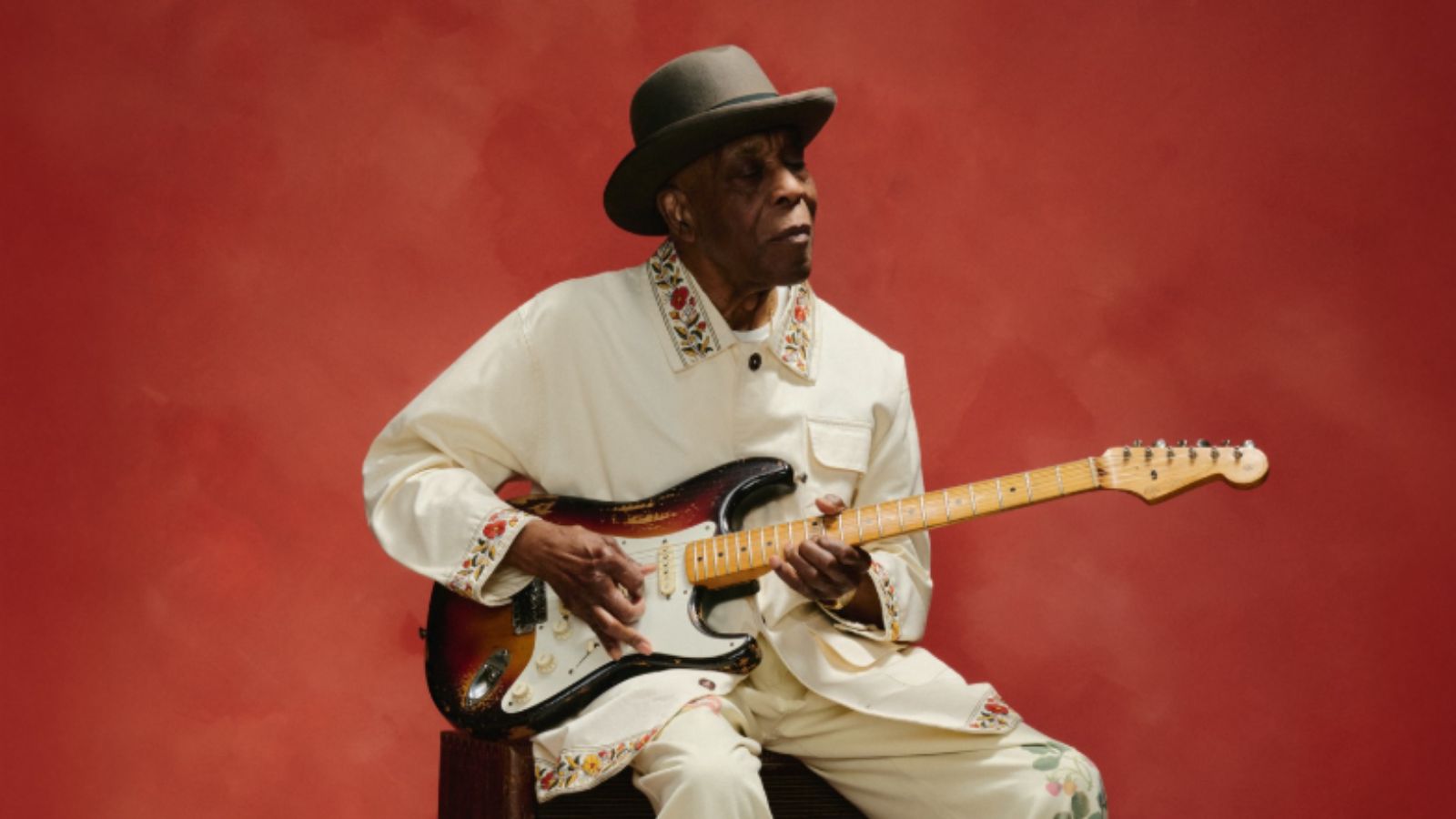
What comes through most clearly in the PEOPLE interview is that Guy does not see his continued touring as simply a personal choice. He frames it as a responsibility, one tied directly to his fear that the blues is slowly disappearing from mainstream awareness.
According to the interview, Guy pointed to the near-total absence of blues legends like Muddy Waters and Little Walter from radio playlists today, a shift he sees as part of a larger erasure of the genre from the culture that built so much of American popular music on top of it.
That concern is not new for Guy, and it echoes sentiments he has expressed in other interviews over the years about keeping the blues visible for younger generations. In an earlier conversation with Guitar Player, Guy explained the pull he feels to keep performing despite the physical toll of touring in his 80s and now his 90s.
“I thought about retiring twice,” he said. “But, y’know, I thought about all those great blues players who are no longer with us, B.B. King, Lightnin’ Hopkins, all those guys, and they used to tell me, ‘You need to keep playing and keep representing the blues,’ ‘cause they don’t play it on radio or anything anymore.”
That same sense of duty runs through the new PEOPLE interview, reinforcing that Guy views his continued presence on stages across North America as much an act of preservation as performance.
Guy has spoken before about the specific promise he made to the generation of blues musicians who mentored him and have since passed away.
On the release of his most recent album, Ain’t Done With the Blues, he described that promise directly, saying of his late friends and mentors, “Before they passed, Muddy, Wolf, Walter, Sonny Boy, B.B., they used to say, ‘If you outlive me, just keep the blues alive.’ And I’m trying to keep that promise.”
That single line captures the emotional core of why a 90-year-old man still boards tour buses and plays 90-minute sets rather than settling into a quiet retirement.
From a Louisiana plantation to blues royalty
The PEOPLE interview also revisits Guy’s origins as the son of Louisiana sharecroppers, a background well documented across decades of interviews but central to understanding how far he has traveled.
Guy grew up picking cotton on a plantation in Lettsworth, in a household without electricity until he was a preteen and without running water for years after that.
He did not receive an extensive formal education, and by his own account, music became both his classroom and eventually his way out of a life defined by manual farm labor.
Guy has said in multiple interviews that he taught himself largely by ear, listening closely to blues greats including Lightnin’ Hopkins, B.B. King, and Arthur Crudup before ever picking up a proper guitar of his own.
According to the new PEOPLE interview, Guy also reflected on how quickly he learned that talent alone would not protect musicians from being taken advantage of in the industry.
He recalled visiting Jimmy Reed’s home early in his career and being struck by how little money Reed had managed to hold onto despite his commercial success, an experience that reportedly shaped Guy’s early understanding of how record labels, producers, and other industry figures could exploit performers who did not know better.
That same wariness about the business side of music has surfaced in Guy’s public comments for years, though the specifics he shared with PEOPLE about Reed’s situation add a more personal layer to a broader pattern he has referenced before.
It helps explain why Guy, who went on to found his own Chicago club, Buddy Guy’s Legends, in 1989, has placed so much value over the decades on maintaining control of his own career and stage.
Ninety years old, and still cracking jokes about it
For all the weight of his message about legacy and preservation, Guy comes across in the PEOPLE interview as anything but somber about his age. He reportedly joked that his memory isn’t what it used to be, admitting that at 90 he sometimes has to write things down so he doesn’t forget them.
He also pointed out, with characteristic humor, that plenty of musicians refuse to admit when age has started to catch up with them, a dig delivered with the self-aware wit that has followed Guy throughout his career.
That candor about aging matches comments Guy has made in other recent interviews. Speaking to Guitar World last year, he did not sugarcoat how touring feels at his age.
“I’m gonna tell you like I tell everybody else, if I tell you I’m doing all right, I’d be lying,” Guy said. “When you get to this age, everything gets to be aching. But other than that, I guess I’m doing okay.”
It is a rare kind of honesty from a performer who could easily lean on nostalgia and applause without acknowledging the physical cost of still being out on the road at 90.
None of that has stopped him from performing. His Buddy Guy 90 Tour has taken him through major venues across North America, including stops in Chicago, Nashville, New Orleans, and Los Angeles, and the celebration is set to culminate with an all star tribute concert at Radio City Music Hall featuring artists including Eric Clapton, John Mayer, and Gary Clark Jr.
Guy also earned his ninth Grammy Award in 2026 for Best Traditional Blues Album, further proof that his creative output has not slowed down even as he approaches the outer edge of what most careers, in any field, ever reach.
Reading the PEOPLE interview, it becomes clear that Buddy Guy is not touring at 90 because he needs to prove anything to anyone.
He has already done that many times over, across seven decades of recordings, awards, and sold-out shows. He is doing it because he made a promise to the musicians who shaped him, and because he genuinely believes that if he stops, a piece of American musical history stops getting passed down with him.
For Guy, the guitar is not simply an instrument he plays. It is the thread connecting him to Muddy Waters, to Howlin’ Wolf, to Jimmy Reed, and to every blues musician whose name risks fading from memory if someone does not keep saying it out loud, on stage, night after night.
Other Posts You Might Like
If you like what you just read, then subscribe to our newsletter and follow us on social media.


