


Finding a dress that gets noticed is rarely about showing the most skin, following the newest trend, or squeezing into the tightest silhouette available. Attraction is far more complicated than that. Personal taste differs dramatically, and no dress can guarantee a particular reaction from men.
Clothing can influence the first impression we create. Research on person perception published in the journal Personality and Social Psychology Review has found that dress contributes to judgments about identity, status, mood, and aesthetic taste, which helps explain why two outfits on the same person can create very different impressions.
That makes the most attractive dresses less about one magic neckline or hemline and more about balance. The dresses that tend to make the strongest impression usually combine a flattering silhouette, intentional styling, comfort, and enough personality to make the wearer look confident rather than consumed by the outfit. Interestingly, several silhouettes commonly considered alluring, including bodycon, off-the-shoulder, minimalist, and flowing dresses, remain prominent in 2026 fashion as designers revisit fitted shapes alongside softer, easier silhouettes.
5 dresses men often find attractive
The off-the-shoulder dress
Showing skin and looking attractive are not necessarily the same thing. An off-the-shoulder dress works because it uses exposure selectively. The neckline highlights the shoulders, collarbone, and neck while leaving the rest of the silhouette understated.
That restraint creates contrast. A fitted off-the-shoulder midi may feel polished and romantic, while a flowing version can look relaxed and feminine without appearing overly calculated.
The silhouette is also firmly back in the fashion conversation. Harper’s Bazaar noted off-the-shoulder and boatneck variations among the elevated babydoll styles appearing for summer 2026.
For us, the best versions keep the rest of the dress relatively clean. Once dramatic sleeves, giant ruffles, several cutouts, and an elaborate pattern all join the party, the neckline loses much of its power.
The little black dress
The little black dress has survived decades of changing trends for a reason. It gives us a clean canvas and allows silhouette, posture, accessories, and personality to become the focal points instead of forcing the eye to process several competing elements at once.
Black may also carry particular significance in romantic settings. A field study examining clothing choices before first dates found that participants displayed more black clothing when meeting a potential romantic partner than in the comparison condition. The researchers also observed increased use of red. The study does not prove that either color automatically makes someone attractive, but it does show that people themselves may strategically choose these colors in situations where attraction matters.
The most effective black dress does not have to be tiny. A fitted midi, minimalist column, square-neck dress, or softly draped black maxi can create just as much impact. In fact, minimalist black maxi dresses are among the styles receiving renewed fashion attention in 2026.
The classic sundress
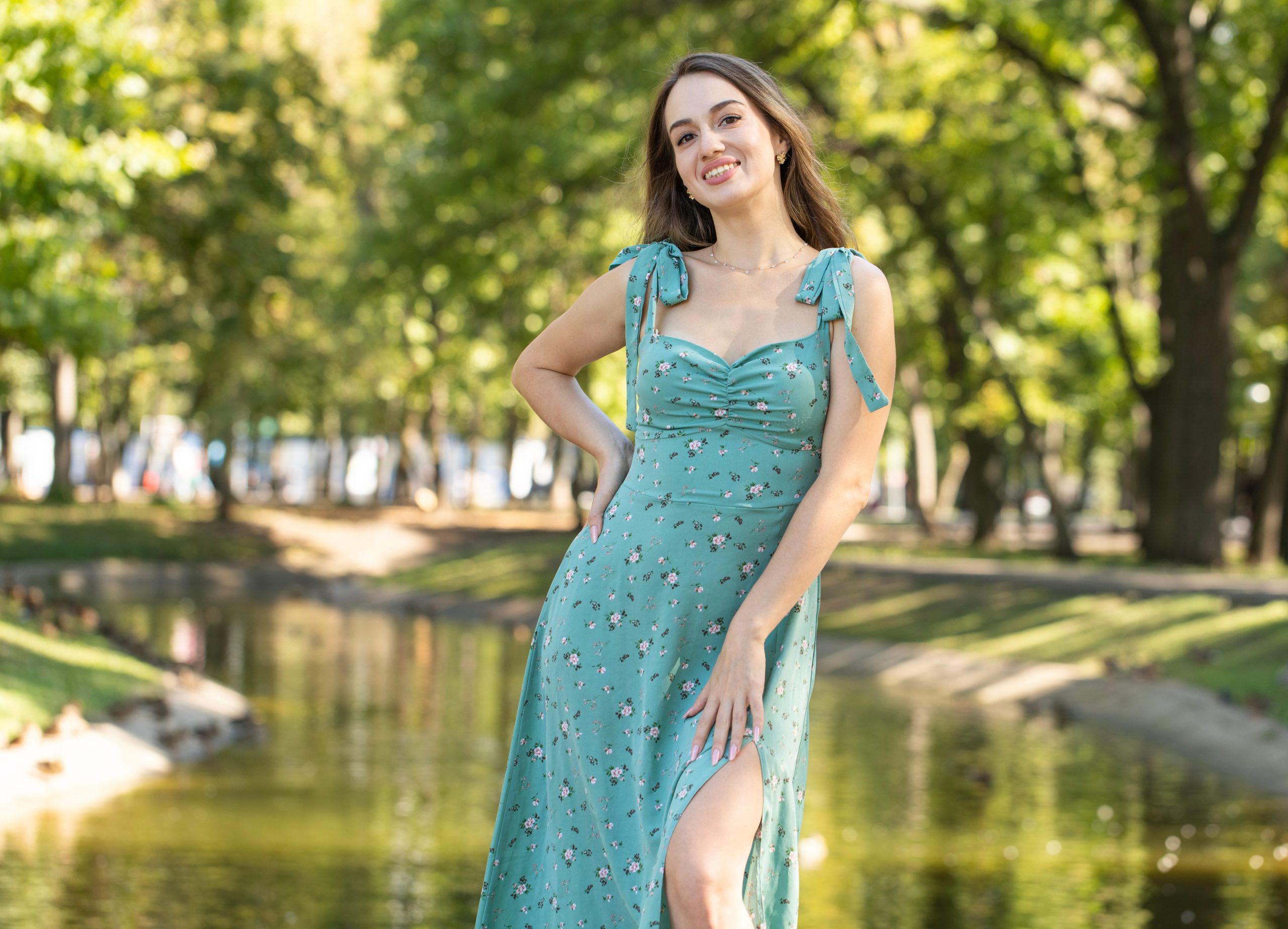
There is something refreshingly uncomplicated about a good sundress. Lightweight fabric, natural movement, a defined or gently shaped waist, and a relatively simple neckline create an outfit that feels relaxed without looking neglected.
Part of the appeal comes from context. A sundress belongs naturally at an outdoor lunch, farmers market, beach town, backyard gathering, vacation, or casual date. Because the clothing matches the environment, the overall effect can feel more authentic than an outfit that appears carefully engineered to attract attention.
Modern versions do not have to mean tiny florals and spaghetti straps, either. Crisp poplin dresses remain an important warm-weather silhouette, and 2026 designers have been giving them more tailored waists and structured shapes.
The result is proof that simple can still look memorable.
Related: 10 Must-Have Summer Dresses You Need in Your Closet
The wrap dress
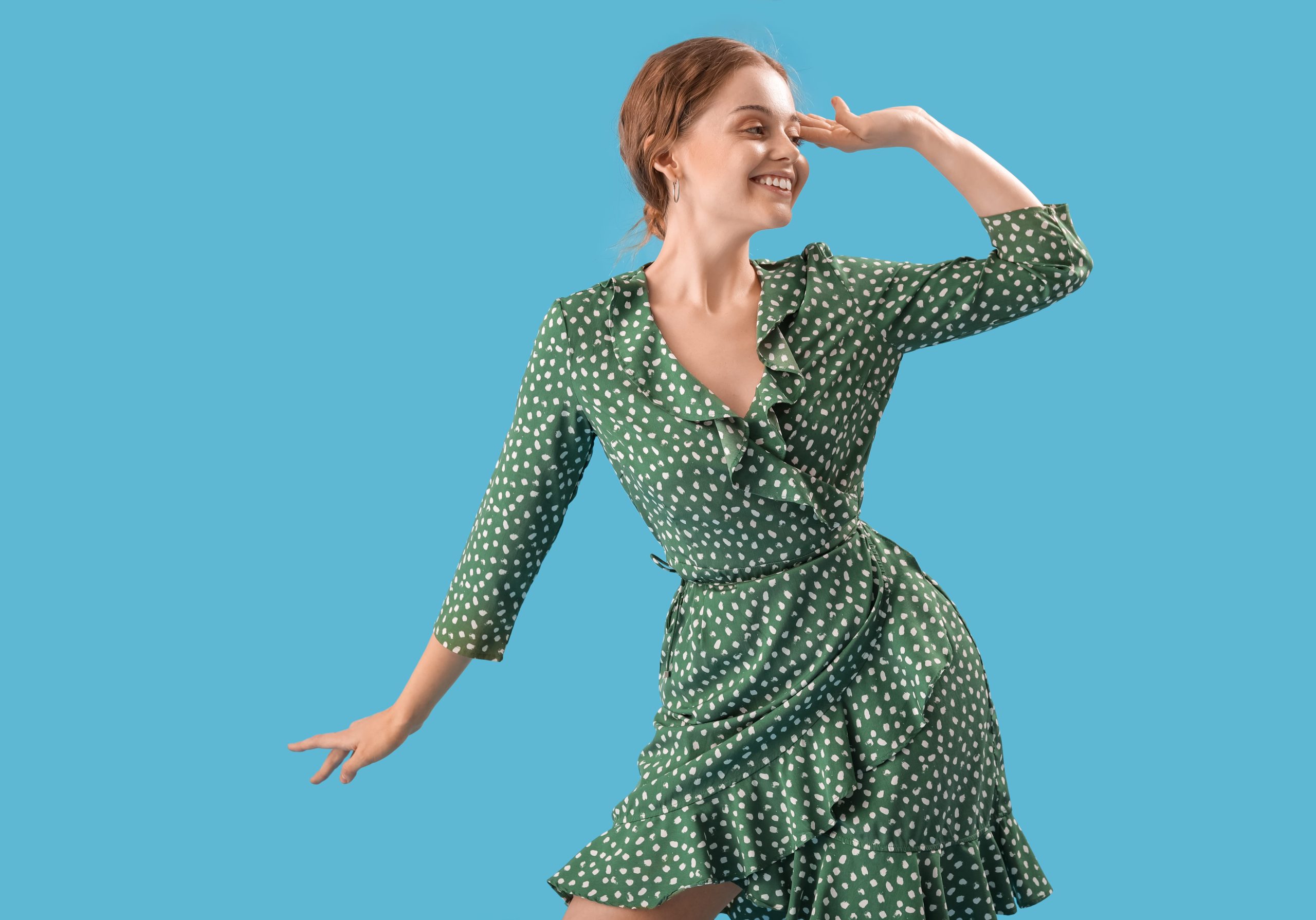
Few dresses manage the balancing act of a wrap dress quite as gracefully. The defining waist tie creates structure without forcing the body into an unforgiving silhouette, while the overlapping front naturally creates visual movement. Instead of relying on exaggerated details, the design uses proportion to do most of the work.
We also appreciate how adaptable the wrap dress can be. A knee-length version with simple heels can work for dinner, while a cotton or linen variation feels completely natural during the day. The adjustable waist is especially useful because the dress can be fitted according to the individual rather than requiring the individual to conform to the dress.
That distinction matters. Attractive clothing generally looks intentional, and a wrap dress can appear tailored even when the overall design stays soft and relaxed.
The bodycon dress
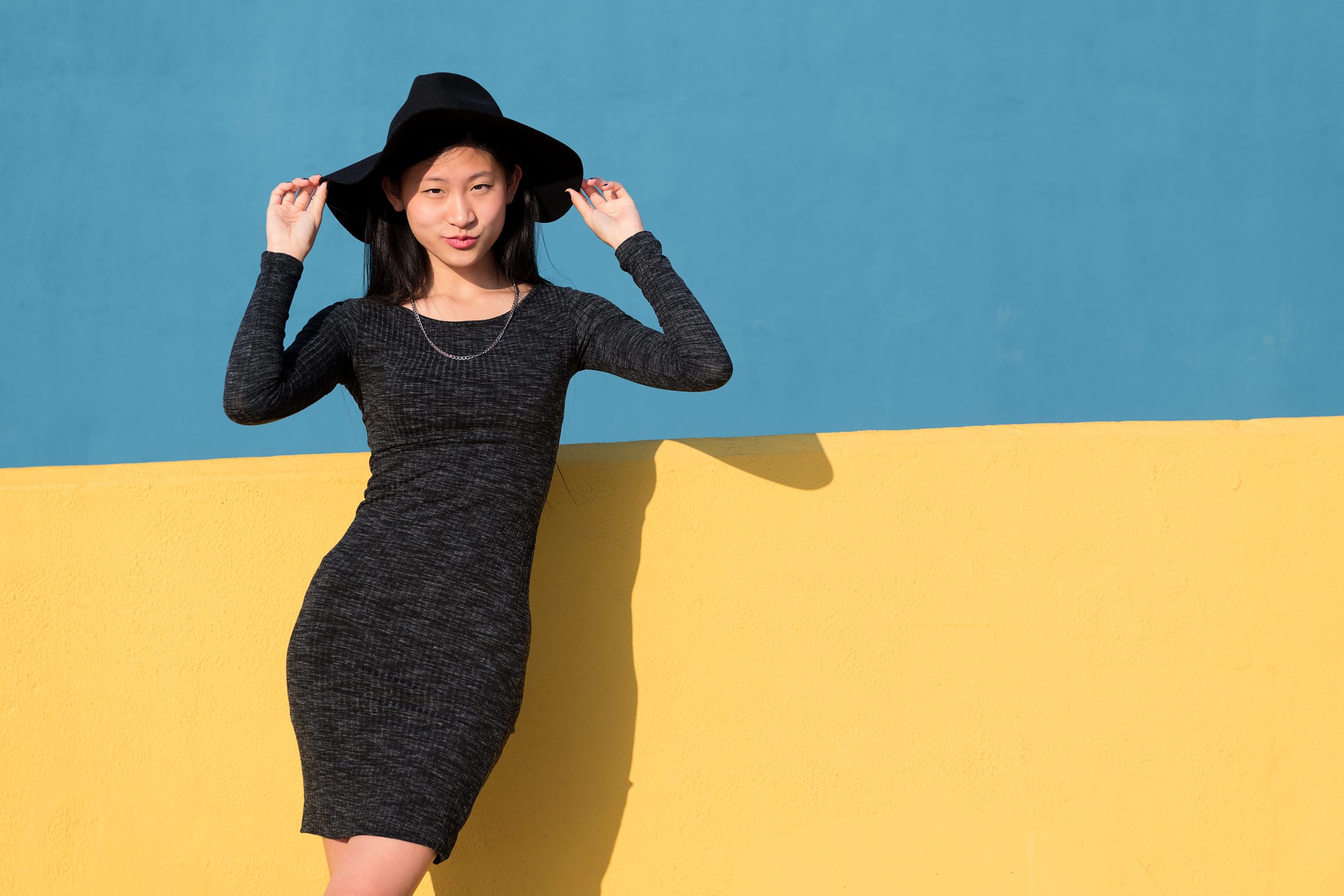
The bodycon dress doesn’t try to hide its intentions. It follows the figure closely, puts proportion front and center, and creates a naturally bold appearance.
Yet the difference between sophisticated bodycon and uncomfortable bodycon can be surprisingly small. Fabric quality matters. So do length, construction, underwear, and the ability to walk and sit comfortably. When every seam looks under pressure, the effect changes completely.
Current fashion offers a useful lesson here. The bodycon silhouette returned prominently on spring and summer 2026 runways, but Harper’s Bazaar described newer versions as sleeker and less dependent on the intensely restrictive bandage construction of earlier iterations. Longer hemlines and cleaner silhouettes are part of the update.
In other words, figure-hugging can attract attention without looking uncomfortable.
Related: 5 Outfits That Feel Effortless but Look Intentional
3 dress styles that can miss the mark
None of the following dresses is automatically unattractive. Fashion is personal, bodies differ, and individual taste will always outrank a universal rule. The problem usually begins when the dress overwhelms the person wearing it, fits poorly, clashes with the setting, or appears uncomfortable.
The poorly fitted dress
Price tags cannot rescue a bad fit.
A luxury dress that puckers around the bust, pulls across the hips, collapses at the waist, drags on the floor, or repeatedly slips off the shoulders can look less polished than an inexpensive dress altered to fit correctly.
Fit also affects behavior. When we spend the evening pulling down a hem, lifting a neckline, fixing straps, or adjusting fabric, the outfit starts broadcasting discomfort.
That is why tailoring can make a bigger difference than buying another dress. A small adjustment at the waist, straps, bust, sleeves, or hem may completely change how the garment sits on the body.
Related: 8 Fashion Choices That Can Instantly Turn Off Your Date
The overly busy print dress
Bold prints can look spectacular. Trouble starts when five different visual ideas compete for first place.
Imagine oversized flowers, contrasting stripes, several bright colors, ruffles, a dramatic neckline, and statement accessories occupying the same outfit. The eye has no obvious place to settle.
We generally get a stronger result when we establish hierarchy. A spectacular print can be the centerpiece, but then the silhouette and accessories should usually provide breathing room.
A dress should introduce the wearer, not enter the room several seconds before she does.
The dress overloaded with micro-trends
Being fashionable and wearing every fashion trend at once are very different things.
A trendy dress can be fantastic. The problem appears when the garment feels like a checklist: exaggerated rosettes, asymmetrical cutouts, bows, fringe, sheer panels, drop waist, unusual hardware, and a viral print all fighting for relevance.
Current fashion shows why blindly following rules doesn’t work. Bodycon, babydoll, sheer, column, poplin, eyelet, and dramatic maxi styles are all circulating simultaneously in 2026.
There is no single silhouette we must chase. Choosing the trend that suits our body, personality, and lifestyle will usually look more convincing than wearing one simply because an algorithm says it is having a moment.
What actually makes a dress look attractive?
After all 8 examples, a clearer pattern emerges.
The winning factor is rarely how short, tight, expensive, trendy, or revealing the dress is. A successful outfit usually creates visual coherence. The neckline works with the silhouette. The fabric suits the cut. The dress fits the body. The styling fits the occasion. Accessories support rather than overwhelm it.
Research on clothing and person perception gives us another reason to take those details seriously: clothing contributes to the information observers use when forming first impressions.
We should also avoid confusing attraction with obedience to fashion rules. One person may love a flowing floral maxi and dislike bodycon dresses. Another may have exactly the opposite preference. Even current runway fashion refuses to pick one side, with 2026 collections embracing close-fitting bodycon silhouettes, loose columns, sheer dresses, poplin styles, lace maxis, babydolls, and more.
The smartest approach, then, isn’t to ask which dress will make every man approve. No such dress exists.
We make the strongest impression when the dress looks as though it belongs to us: the fit is right, the proportions make sense, the occasion matches, and we are comfortable enough to stop thinking about the clothes and start enjoying ourselves.
That is far more attractive than spending an entire evening tugging at a trendy dress we secretly cannot stand.
Other posts you might like
The post 5 Dresses Men Often Find Attractive—and 3 Styles That Can Miss the Mark first appeared on Crafting Your Home.
If you like what you just read, then subscribe to our newsletter and follow us on social media.


