


This article was originally published on Crafting Your Home. A human contributor also wrote and edited the post.
Garlic has a strange amount of power for something that can disappear beneath a pile of onions in the produce drawer. A single clove can deepen tomato sauce, wake up a pan of vegetables, or turn melted butter into something worth dragging bread through. Yet the same clove can leave dinner harsh, bitter, or oddly flavorless when we handle it the wrong way.
The problem usually is not the garlic. It is what happens between the cutting board and the pan. Crushing, slicing, heating, and storing garlic all change its flavor and chemistry. Garlic contains sulfur compounds that help create its familiar aroma, and some of those compounds form only after the clove’s cells are damaged. Researchers have found that crushing fresh garlic triggers the enzyme-driven formation of allicin, one of its best-known sulfur compounds.
We add minced garlic to a scorching-hot pan too early.
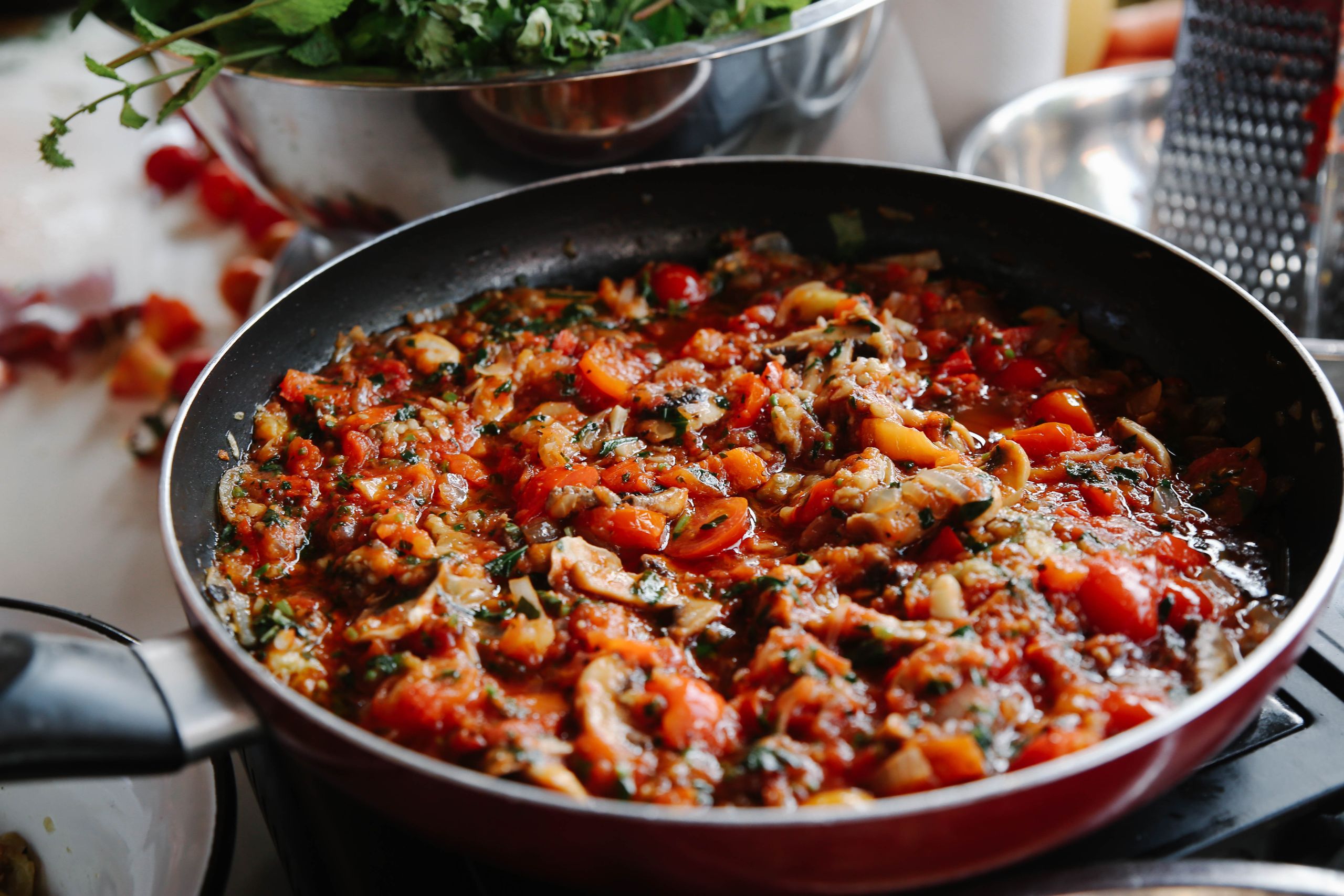
Few kitchen disappointments happen faster than burned garlic. We heat the skillet, pour in oil, toss in finely minced garlic, and then turn away to chop something else. By the time we return, those pale pieces have become dark brown and sharply bitter.
The smaller we cut garlic, the more vulnerable it becomes to intense heat. Instead of treating it like onions that may need several minutes to soften, we usually get better results by cooking onions, peppers, or other longer-cooking ingredients first and adding minced garlic later. Medium or medium-low heat gives us more control. Once garlic becomes fragrant, often quite quickly, we can add tomatoes, broth, vegetables, or another ingredient that lowers the pan temperature. The goal is golden and aromatic, not dark and acrid.
We assume chopped, sliced, and crushed garlic taste the same.
One clove isn’t a fixed amount of garlic flavor. How aggressively we break it apart matters. Chopping or crushing damages garlic cells and brings the compound alliin into contact with the enzyme alliinase, producing allicin and other compounds that give fresh garlic its distinctive character.
That gives us a useful kitchen dial. Whole or lightly crushed cloves deliver a gentler presence in braises and roasts. Slices provide more noticeable flavor without completely taking over a dish. Finely minced, grated, or thoroughly crushed garlic can hit much harder because we have damaged far more of the clove. When a recipe calls for “three cloves,” the preparation method can matter almost as much as the number.
We throw crushed garlic straight into high heat.
If we crush garlic because we want its fresh pungency and sulfur compounds, immediately blasting it with heat can work against us.Research shows heating changes garlic’s biologically active compounds, and one study found that letting crushed garlic sit for 10 minutes before microwave heating helped preserve activity otherwise lost during heating.
That does not mean every pasta sauce requires a stopwatch. For everyday cooking, though, we can mince or crush the garlic early in our prep and let it sit while we measure spices or chop vegetables. It costs nothing, fits naturally into meal preparation, and gives those reactions time to occur before the garlic reaches the pan.
We use old garlic and expect fresh-garlic flavor.
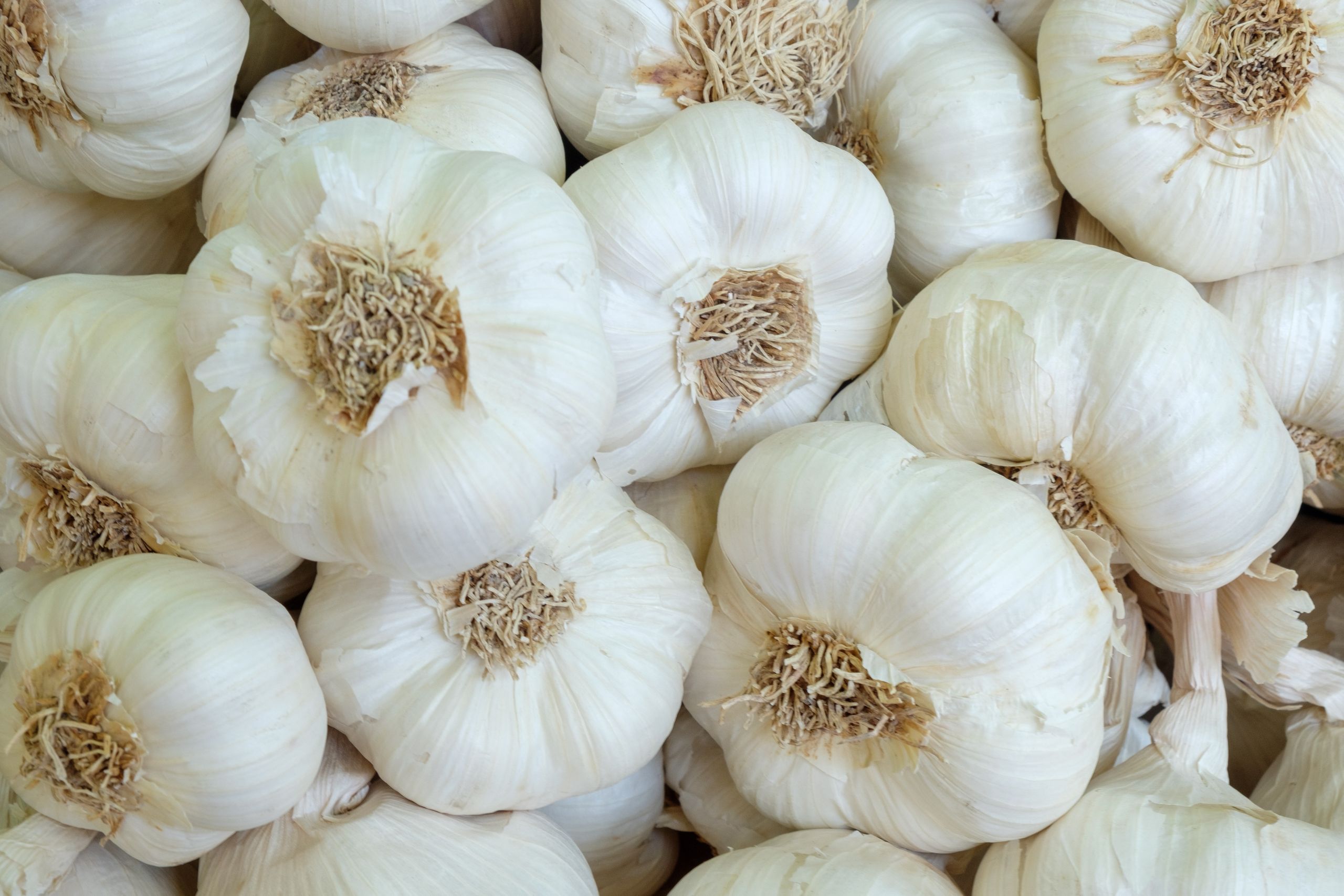
Garlic may look almost indestructible, but it does not stay at peak quality forever. Bulbs that feel firm and heavy generally give us a better starting point than cloves that have become rubbery, shriveled, or badly sprouted.
Storage matters too. USDA SNAP-Ed guidance recommends keeping fresh, unpeeled bulbs in a cool, dry place and notes that they can keep for about a month under typical home conditions. Good airflow helps as well. A dark pantry basket or ventilated container makes more sense than sealing whole bulbs inside a damp plastic bag. If our garlic has been sitting around for weeks, we should inspect it before blaming the recipe for weak or unpleasant flavor.
We use one garlic technique for every dish.
Garlic bread, chicken soup, marinara, and roasted vegetables don’t necessarily need the same garlic treatment. Raw crushed garlic can taste hot and assertive. Slowly cooked garlic becomes noticeably mellower. Roasting an entire bulb produces soft cloves with a much gentler character that you can spread on bread or mash into sauces.
Heat also changes garlic chemically.Studies have found that prolonged heating can reduce certain activities associated with fresh garlic, although crushing the cloves before heating may preserve some effects under specific conditions. Culinary results matter just as much. If we want sharp garlic in a dressing, raw may make sense. If we want sweetness and depth beside roasted meat, whole roasted cloves may work better. Technique should follow the dish.
We rely on garlic powder, jarred garlic, and fresh cloves as if they are interchangeable.
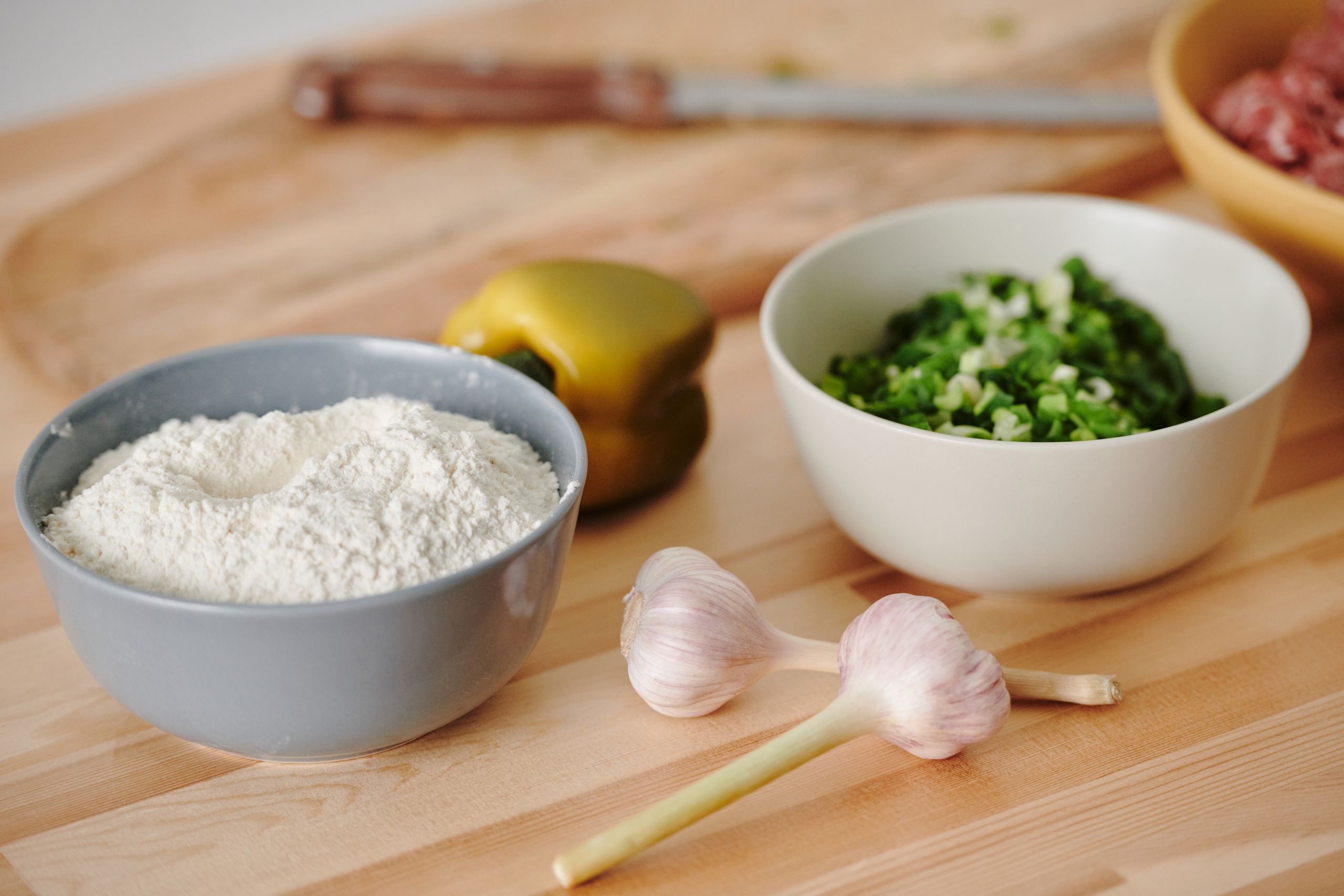
Convenience garlic products have a place in busy American kitchens, but substitutions can change a recipe more than we expect. Freshly crushed garlic produces volatile compounds immediately after its cells are damaged. Processed garlic has already been chopped, dried, preserved, or otherwise handled, so its aroma and intensity will not behave exactly like a freshly cut clove. Research on garlic products has found substantial differences in composition and allicin-related activity depending on processing and preparation.
Garlic powder works beautifully in dry rubs, burgers, and seasoning blends because it distributes evenly. Jarred garlic can save time in soups and sauces. Fresh garlic shines when its aroma is central to the dish. We shouldn’t expect a spoonful from a jar or a shake of powder to produce the same result as freshly minced cloves. We leave homemade garlic oil sitting on the counter
This mistake is more serious than disappointing flavor. Fresh garlic stored in oil creates a low-oxygen environment where Clostridium botulinum can become a food-safety concern if the product is not properly acidified, refrigerated, or otherwise processed. FDA materials specifically identify fresh garlic-in-oil preparations as foods requiring careful safety controls.
That means we should not treat homemade garlic oil like a decorative bottle that can live indefinitely beside the stove. University of Minnesota Extension similarly warns that homemade garlic-in-oil products require strict time and temperature controls. Commercial products may be manufactured with acidification or other controls that home cooks do not have. When making garlic-infused oil ourselves, following tested food-safety guidance matters far more than copying an attractive countertop bottle we saw online.
Better garlic starts before the pan gets hot.
Garlic rewards attention to small details. We get better results when we choose firm bulbs, match the cut to the intensity we want, protect finely minced garlic from excessive heat, and understand that roasting, crushing, and slicing create different flavors.
Once we stop treating every clove the same way, garlic becomes easier to control. Instead of simply adding “more garlic” when dinner tastes flat, we can use the right preparation at the right moment. That small shift can be the difference between garlic that quietly disappears and garlic that makes the entire dish taste finished.
If you like what you just read, then subscribe to our newsletter and follow us on social media.


