



American cuisine is famous worldwide for its bold flavors, enormous portions, and ability to turn almost anything into a meal. Burgers, barbecue, fried chicken, and apple pie have become global icons. But beyond those familiar favorites lies another side of American food culture: dishes that make visitors from other countries stop, stare, and ask one simple question:
“Why does this exist?”
Food is deeply connected to culture, childhood memories, and tradition. A dish that feels completely normal in one country can appear unusual somewhere else. Ingredients that Americans grew up loving can seem strange, overly sweet, heavily processed, or even confusing to people experiencing them for the first time.
From sweet dishes disguised as side dishes to snacks that challenge the definition of candy, these foods reveal something fascinating about American eating habits. They represent convenience, creativity, regional traditions, nostalgia, and a willingness to combine flavors in ways that surprise the rest of the world.
Biscuits and Gravy
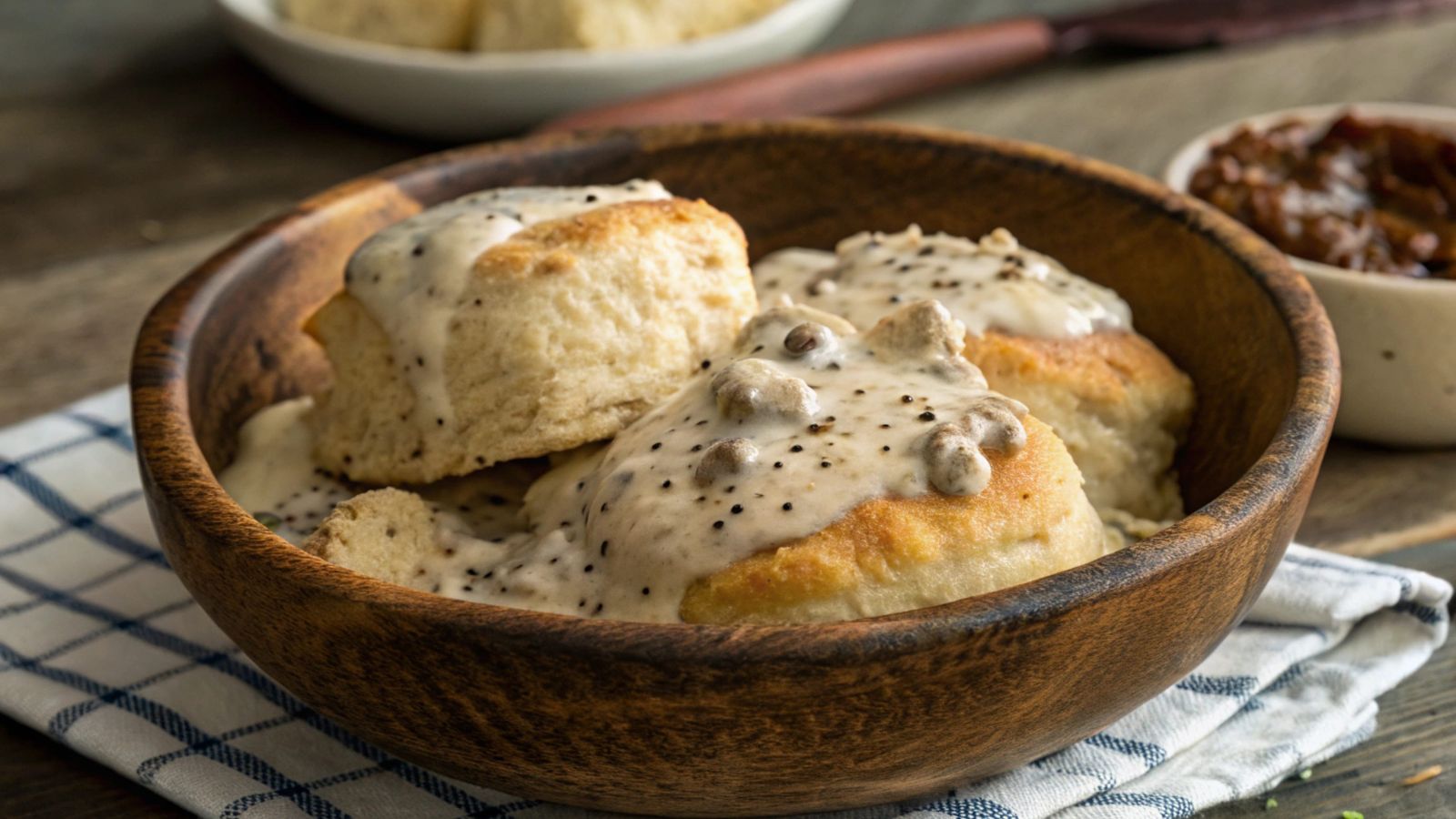
The biggest problem with biscuits and gravy may not be the food itself. It may be the name.
In many countries, especially the United Kingdom, the word “biscuit” means a sweet cookie typically enjoyed with tea. So when visitors hear Americans talking about pouring gravy over biscuits, the mental image can become immediately confusing.
American biscuits are completely different. They are soft, buttery baked goods closer in texture to savory scones. The gravy is also different from what many foreigners expect. Instead of a brown sauce served with roasted meat, American breakfast gravy is often a creamy mixture made with milk, flour, and sausage drippings.
In the American South, biscuits and gravy are more than just breakfast. They represent comfort, family gatherings, and regional identity. It is a dish built around simplicity: inexpensive ingredients transformed into something filling and satisfying.
For someone experiencing it for the first time, however, the combination can feel unusual. A fluffy pastry covered in a thick meat-based sauce challenges many traditional ideas about what breakfast should look like.
Chicken and Waffles
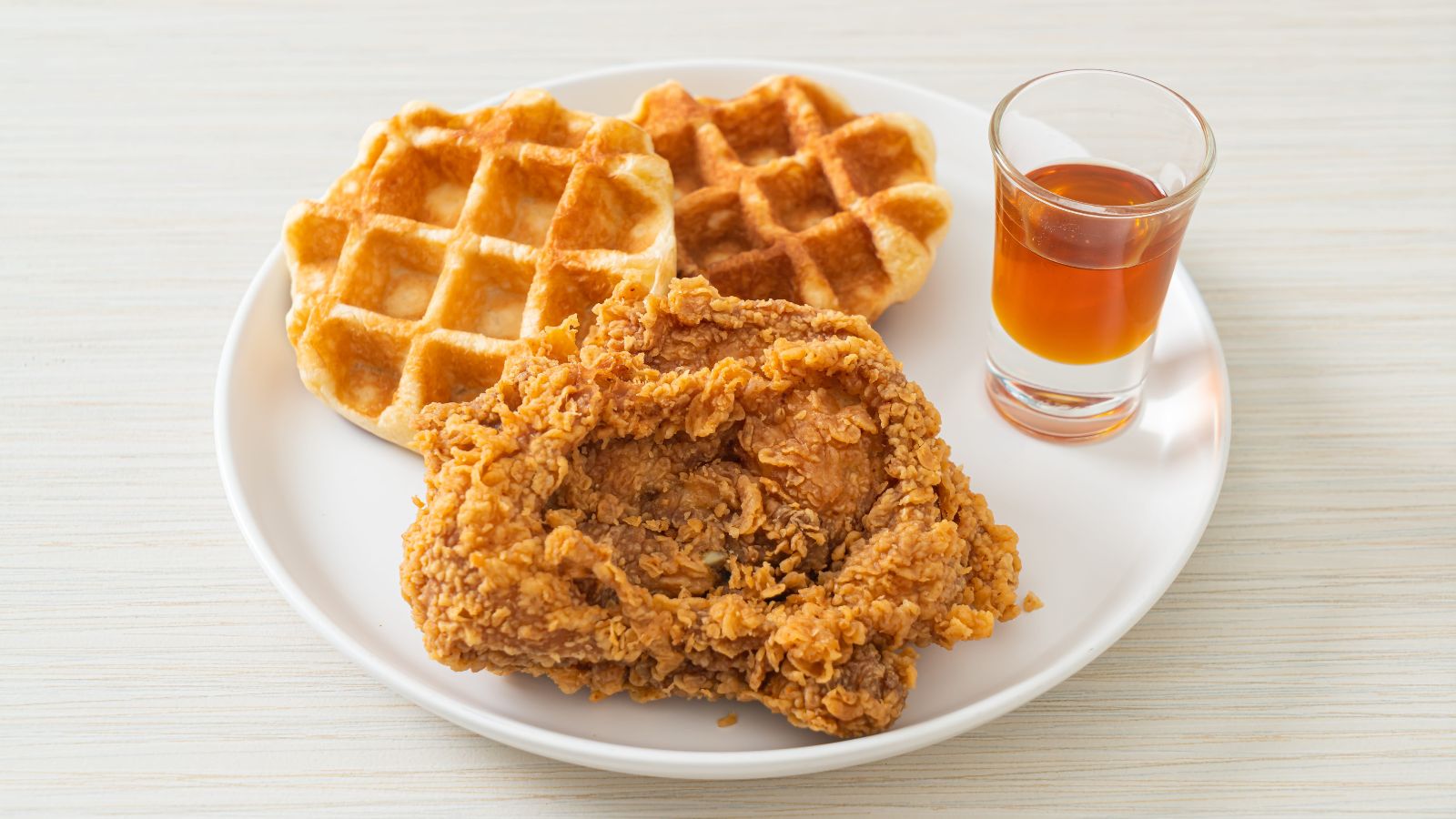
America has never been afraid to mix flavors that other cultures keep separate.
Chicken and waffles might be one of the clearest examples of this philosophy. The dish combines crispy fried chicken with sweet waffles, often topped with syrup, creating a balance of salty, sweet, crunchy, and soft textures.
To many Americans, especially in parts of the South, this pairing makes perfect sense. Fried chicken brings richness and seasoning, while waffles provide sweetness and contrast.
For many visitors, however, the combination feels almost impossible to understand. Chicken belongs with savory foods. Waffles belong with breakfast or dessert. Putting them together challenges familiar food rules.
The dish has historical roots connected to African American culinary traditions, particularly in places like Harlem, where it became a celebrated meal combining different cultural influences.
What seems strange from the outside often tells a deeper story. Chicken and waffles are not just an unusual food combination. They represent creativity, cultural exchange, and America’s willingness to experiment.
Related: Six Comfort Foods That Continue to Warm Our Hearts
Grits
A bowl of grits can inspire strong opinions before someone even takes the first bite.
Made from ground corn cooked into a thick porridge-like dish, grits have been a staple of Southern cuisine for generations. They can be served simply with butter, enhanced with cheese, or paired with seafood in dishes like shrimp and grits.
To those unfamiliar with the food, however, the appearance can be challenging. A plain bowl of grits may look bland or unfamiliar, especially to visitors used to different breakfast traditions.
But grits carry significant cultural history. They connect to Native American agricultural traditions and became an important food throughout the American South because corn was affordable, accessible, and versatile.
Like many regional foods, grits are less about appearance and more about experience. For those who grew up eating them, the dish represents home.
Root Beer

To many Americans, root beer tastes like childhood. To many foreigners, it tastes like a strange medicinal experiment.
Root beer is one of the most recognizable examples of a uniquely American beverage that struggles to translate internationally. The confusion often begins with the name itself. Visitors hear the word “beer” and expect an alcoholic drink, only to discover a sweet, carbonated beverage with a flavor profile unlike traditional sodas.
For generations of Americans, root beer has been associated with summer afternoons, backyard gatherings, and classic root beer floats topped with vanilla ice cream. The drink carries a sense of nostalgia that goes far beyond its ingredients.
The drink has deep historical roots. Early versions were created from plants and roots used by Indigenous communities and later adapted by European settlers.
For Americans, root beer represents tradition. For many outsiders, it represents one of the strangest sodas they have ever tasted.
Hershey’s Chocolate
One of America’s most famous chocolates has become one of its most debated exports.
Hershey’s chocolate is recognized worldwide, but some international visitors notice that it tastes different from European chocolate brands.
The difference comes from the production process and ingredients. Hershey’s chocolate contains flavor characteristics that some people unfamiliar with the brand associate with sour or unusual notes.
For many Americans, Hershey’s represents holidays, childhood candy bars, and classic desserts. It is part of the country’s cultural memory.
For visitors expecting European-style chocolate with different cocoa profiles, the taste can be surprising. The experience shows how strongly personal and cultural food preferences can influence opinions.
American Fruit Salads
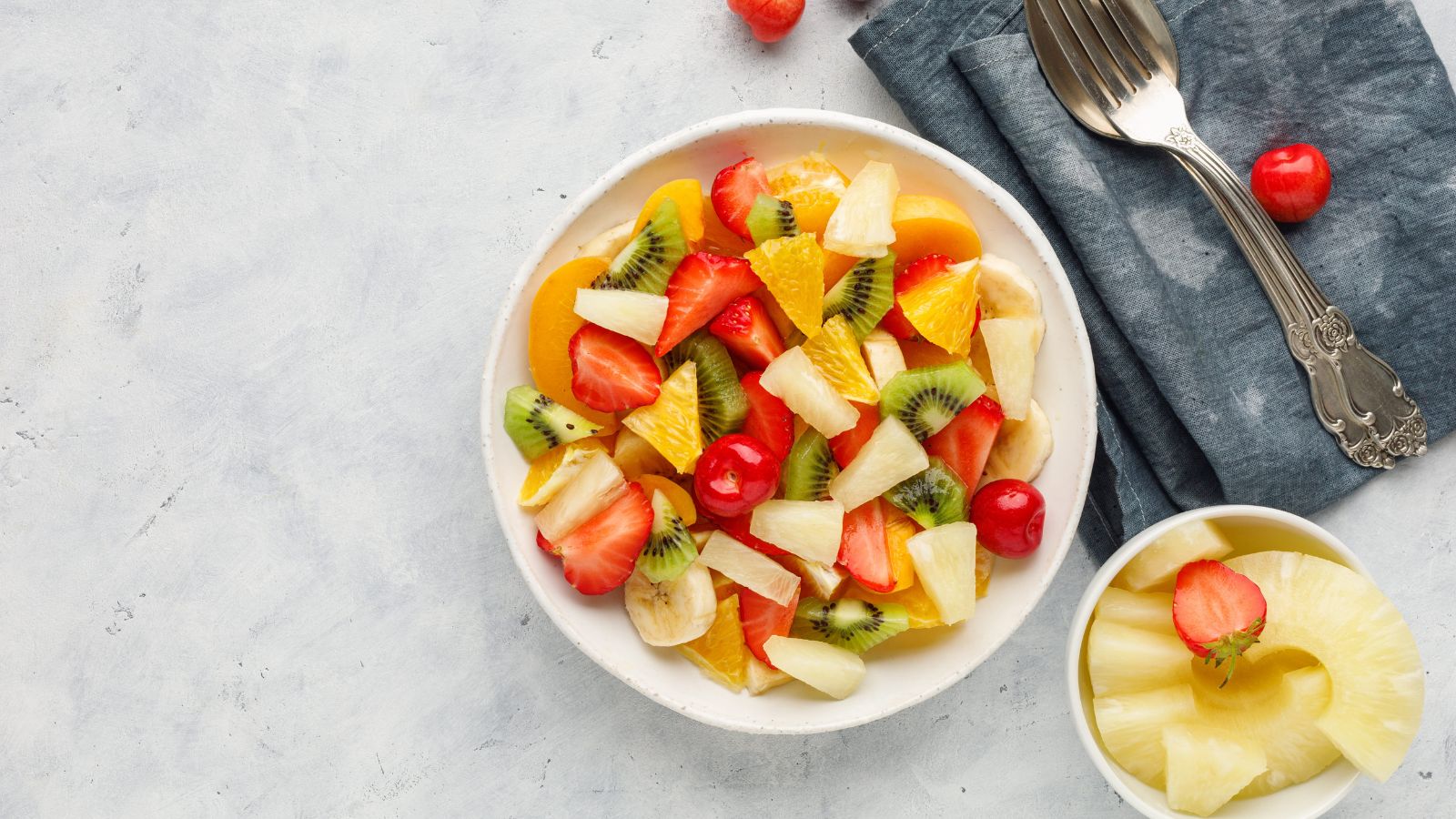
Some foreign visitors are surprised that American “salads” can contain almost everything except vegetables.
In many countries, the word salad immediately suggests fresh ingredients, vegetables, herbs, and a light dressing. American-style fruit salads can sometimes follow a completely different formula.
Traditional versions may include canned fruit, whipped topping, marshmallows, gelatin, or sweet creamy mixtures. Dishes such as ambrosia salad became popular during the mid-20th century when convenience foods transformed American home cooking.
For many Americans, these recipes are connected to holidays, family reunions, and childhood memories. They are not viewed as strange but as comforting traditions passed through generations.
Visitors from other countries often struggle with the idea that something containing marshmallows and whipped cream can still be called a salad.
The confusion comes from a cultural difference: in America, “salad” can describe a mixture of ingredients rather than a specific healthy category.
Related: 9 Bizarre 1960s Food Trends That Deserve to Stay Buried
Corn Dogs
The corn dog is proof that Americans can turn almost anything into festival food.
A hot dog covered in cornmeal batter and deep-fried on a stick might seem like a novelty from another planet to outsiders. Yet across America, corn dogs are closely connected to fairs, amusement parks, sporting events, and childhood memories.
Unlike everyday meals, corn dogs belong to a special category of American food: indulgent fair food designed to be fun.
They are not meant to represent healthy eating or culinary sophistication. Their purpose is simple: convenience, nostalgia, and enjoyment.
Visitors often question why a hot dog needs to be transformed into a fried handheld snack. Americans might answer with another question: why not?
Why Foreigners Find American Food So Surprising
American cuisine is not defined only by burgers, fries, and barbecue. It is shaped by immigration, regional traditions, industrial innovation, and a willingness to experiment.
Many foods that seem strange to outsiders make perfect sense within their original cultural context. They carry memories, history, and emotional connections that cannot always be understood from a single bite.
The global reaction to American food reveals something fascinating: every country has dishes that appear unusual when viewed from the outside.
French cuisine has foods that surprise Americans. Asian cuisines contain ingredients unfamiliar to Western visitors. European traditions often include combinations that seem unusual elsewhere.
Food is ultimately a reflection of culture. What looks strange today may become someone else’s favorite tomorrow.
And that may be the most American thing about these dishes: they were never afraid to be different.
Other Posts You Might Like:
- The Dark Side of 10 Historical Food Fads That Changed Society
- Retro Foods That Only Baby Boomers Still Love
- Never Buy These 8 Foods Again, They’re Cheaper to Make at Home
The post 7 Worst American Foods That Leave International Visitors Horrified appeared on Crafting Your Home.
If you like what you just read, then subscribe to our newsletter and follow us on social media.


