

This article was originally published on Crafting Your Home. A human contributor also wrote and edited the post.
The way we behave at a restaurant often communicates more than we realize. From how we order food to how we treat servers, small habits can reveal how comfortable we feel in different dining environments.
Dining out is about more than simply paying for a meal. Restaurants are social spaces where manners, confidence, and awareness shape the entire experience. While nobody should be judged by their income or background, certain behaviors can make someone seem unfamiliar with restaurant culture, especially in settings where expectations differ from casual dining.
The good news is that these habits are easy to recognize and improve. Understanding dining etiquette is not about pretending to be someone else. It is about feeling comfortable anywhere, whether we are grabbing lunch at a neighborhood café, attending a business dinner, or celebrating a special occasion at an upscale restaurant.
Here are restaurant habits that can unintentionally make someone appear inexperienced with dining culture, and how to replace them with more confident choices.
Focusing on prices before understanding the menu
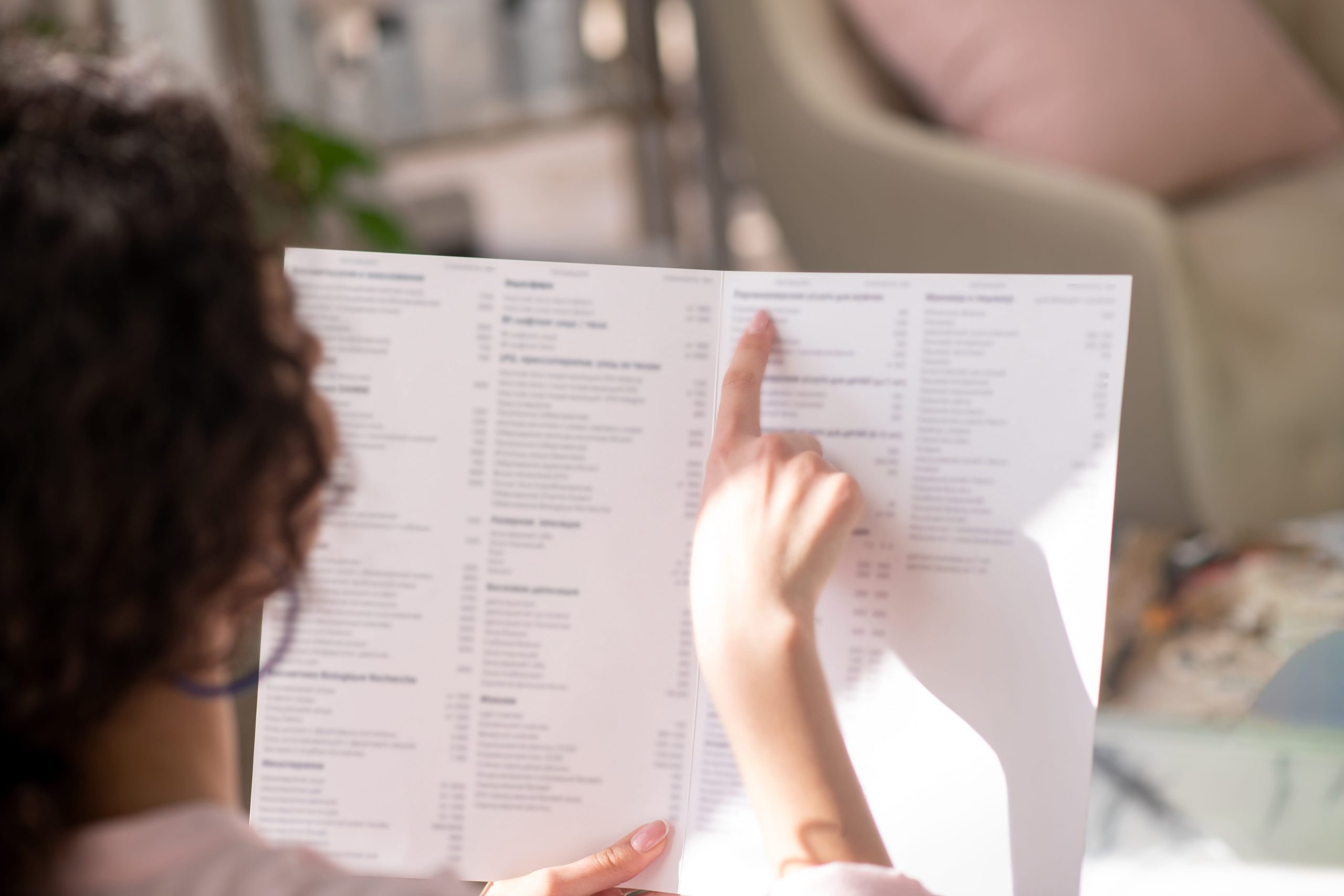
One of the first signs of discomfort in a restaurant setting is immediately treating the menu like a price list rather than a guide to the dining experience. Everyone has a budget, and being financially responsible is a positive habit. However, constantly pointing out prices, asking how to make every dish cheaper, or comparing every item to less expensive alternatives can shift attention away from enjoying the meal.
Experienced diners usually decide where they want to eat before arriving. They understand the restaurant’s general price range and choose something that fits their budget without making cost the center of the conversation.
There is nothing wrong with selecting an affordable dish or asking about portions. The difference comes from confidence. Instead of analyzing every dollar spent, comfortable diners focus on value, quality, and whether the meal matches what they want.
A simple approach works best: know your budget, choose wisely, and enjoy the experience.
Treating tipping like a mathematical challenge
Few restaurant habits reveal discomfort faster than turning the tip into a complicated calculation at the end of the meal. Carefully counting coins, leaving an outdated percentage, or trying to avoid adding a few extra dollars can create an awkward moment for everyone at the table. Tipping customs vary by country and region, but understanding local expectations helps you feel comfortable in restaurant settings.
Servers often rely heavily on gratuities, especially in places where wages are structured around customer tips. A thoughtful tip reflects appreciation for the service provided, from taking orders and answering questions to managing unexpected requests.
This does not mean spending beyond our means. If a restaurant’s pricing plus expected tip feels uncomfortable, choosing a different restaurant is often the better option. Confidence comes from understanding the full cost of the experience before sitting down.
Splitting the bill down to every last cent

Few moments at a restaurant create more tension than a group turning the bill into an accounting project. When friends start calculating who ate three extra fries, who ordered the second drink, or who owes exactly $7.43 more, the focus quickly moves away from the shared experience.
There are situations where separate checks make sense. If people order dramatically different meals or everyone prefers paying individually, that is perfectly reasonable. The issue is not splitting bills. The issue is creating unnecessary stress over tiny differences.
Many experienced diners understand that relationships often matter more than perfect financial balance. Sometimes one person pays today, another pays next time, and everything naturally evens out. A relaxed approach to money often reflects comfort and confidence.
Ignoring the restaurant’s atmosphere and dress expectations
Clothing does not determine someone’s value, but dressing appropriately for a setting shows awareness. Modern restaurants have become more casual, and many upscale locations no longer require formal clothing. Still, showing up to an elegant restaurant in gym clothes, worn-out clothing, or beachwear can make someone appear unfamiliar with the environment.
The easiest solution is preparation. Checking a restaurant’s website, social media pages, or customer photos can reveal whether the atmosphere is relaxed, business casual, or more formal.
A confident diner understands that dressing appropriately is not about impressing strangers. It is about respecting the occasion and feeling comfortable in the environment. When unsure, slightly overdressing is usually safer than appearing underprepared.
Being too familiar or too demanding with servers

The way we treat restaurant staff often reveals our understanding of social etiquette more than anything else. Some guests become overly casual, calling servers “honey,” “sweetheart,” or “buddy” as if they are talking to a close friend. Others go in the opposite direction, snapping fingers, speaking disrespectfully, or acting as though mistakes are unacceptable. Both behaviors can signal discomfort.
Professional diners understand that servers are skilled workers managing many responsibilities at once. They communicate clearly, make reasonable requests, and show appreciation without unnecessary performance. A simple “excuse me,” “could we please,” and “thank you” creates a respectful interaction.
True confidence does not require acting superior. It shows through kindness and self-control.
Showing uncertainty about basic dining etiquette
Formal dining etiquette may seem complicated, but most restaurant situations require only a few simple habits. Holding utensils correctly, understanding basic table signals, and knowing how to interact with servers can make any dining experience smoother.
Nobody expects perfection. Restaurants are meant to be enjoyed, not treated like exams. However, repeated uncertainty with basic manners can reveal limited exposure to certain dining environments.
Simple rules help:
- Follow the host’s lead when you’re unsure.
- Start with the outside utensils and move inward.
- Place napkins appropriately rather than randomly on the table.
- Avoid stacking plates unless restaurant staff requests it.
Good manners are less about memorizing rules and more about making everyone around us comfortable.
Always ordering the safest possible meal
Comfort food has a place at every restaurant. There is nothing wrong with ordering a favorite dish. However, choosing the same basic meal everywhere, especially at restaurants known for unique dishes, can suggest limited curiosity about dining experiences.
Many experienced diners view restaurants as opportunities to explore. They try seasonal specials, chef recommendations, regional dishes, or unfamiliar ingredients. Trying something new does not mean forcing ourselves to enjoy something we dislike. It simply means being open.
A balanced approach works well: choose something familiar, then occasionally experiment with new flavors. Curiosity often separates someone who simply eats out from someone who enjoys dining.
Final thoughts: good dining habits are about awareness, not wealth
Restaurant behavior does not determine someone’s intelligence, success, or worth. People from every financial background can display excellent manners, and people with significant wealth can still behave poorly. The difference between an uncomfortable diner and a confident one often comes down to awareness.
Understanding restaurant culture allows us to enjoy more experiences, connect better with others, and move through different social settings with ease. The most respected diners are rarely the ones trying hardest to appear sophisticated. They are the ones who are relaxed, respectful, curious, and considerate.
If you like what you just read, then subscribe to our newsletter and follow us on social media.


