


This article was originally published on Crafting Your Home. A human contributor also wrote and edited the post.
A home can look spotless and still smell bad. The biggest culprits are often not the obvious messes, but small daily habits that quietly let odors build up.
You wipe the counters, vacuum the floors, and maybe even light a candle before guests arrive. Yet sometimes a strange smell still hangs in the air. The reason? Odors often hide in places people forget to check, from damp towels and washing machines to forgotten food containers and poor airflow.
A fresh-smelling home is rarely about expensive sprays or covering smells with fragrance. It usually comes down to simple routines that prevent bad odors before they start. People whose homes always smell clean tend to avoid a handful of habits that allow bacteria, moisture, and trapped smells to take over.
Leaving wet towels and laundry sitting around
Few things make a home smell stale faster than damp fabric that never gets the chance to fully dry.
A towel hanging in a poorly ventilated bathroom can become a breeding ground for musty odors because moisture creates the perfect environment for bacteria and mildew. The same problem happens when wet clothes sit forgotten inside a washing machine or laundry basket.
Many people assume laundry smells bad only when it is visibly dirty, but moisture alone can create unpleasant odors. Keeping towels spread out to dry properly and moving washed clothes into the dryer or onto a line quickly can make a noticeable difference.
The washing machine itself can also become a hidden source of smells. Front-loading washers especially can trap moisture around the door seal, creating a damp odor if the door stays closed immediately after a cycle.
Ignoring the refrigerator

The refrigerator is one of the biggest odor traps in the home because small spills and forgotten foods can create powerful smells over time.
A container of leftovers pushed to the back of a shelf, a leaking package, or aging vegetables in the produce drawer may not seem like a big deal. But once those smells mix together inside a closed space, they can spread every time the refrigerator door opens.
Many people clean the visible shelves but forget the smaller areas where odors hide, including drawer corners, door seals, and the space underneath containers.
A quick weekly check of expired food and an occasional wipe-down with a mild cleaner can prevent the refrigerator from becoming the source of a mysterious kitchen smell.
Letting trash sit too long
The kitchen trash can is designed to hold waste, but it is also one of the fastest ways for bad smells to spread.
Food scraps begin breaking down quickly, especially in warm environments. Even if the trash bag isn’t overflowing, old food residue inside the bin can leave behind unpleasant odors.
Many people remember to replace the bag but forget to clean the trash can itself. Over time, leaks from food packaging and liquids can collect at the bottom, creating a smell that doesn’t disappear when you put in a new bag.
Taking out trash regularly and occasionally washing the bin can help keep the entire kitchen smelling fresher.
Covering odors instead of removing the source
A scented candle can make a room feel cozy, but it cannot solve the reason a room smells bad.
Many homeowners rely on air fresheners, sprays, and strong fragrances to hide odors. The problem is that the original smell remains. Instead of eliminating the cause, the home ends up with a combination of perfume and unpleasant odors.
The better approach is to find the source first. Cleaning fabrics, removing old food, improving airflow, and reducing moisture usually create a naturally fresher environment.
Fragrance works best as the finishing touch, not as a replacement for cleaning.
Forgetting about drains
A clean sink does not always mean a clean-smelling drain.
Food particles, grease, soap residue, and bacteria can build up inside pipes and create unpleasant smells that slowly spread through the kitchen or bathroom.
Garbage disposals can also collect tiny pieces of food that continue breaking down after dishes are washed. Bathroom sinks and showers can develop similar problems because moisture allows buildup to grow.
Regularly flushing drains and keeping food scraps out of pipes can prevent many of these hidden odors.
Keeping windows closed all the time
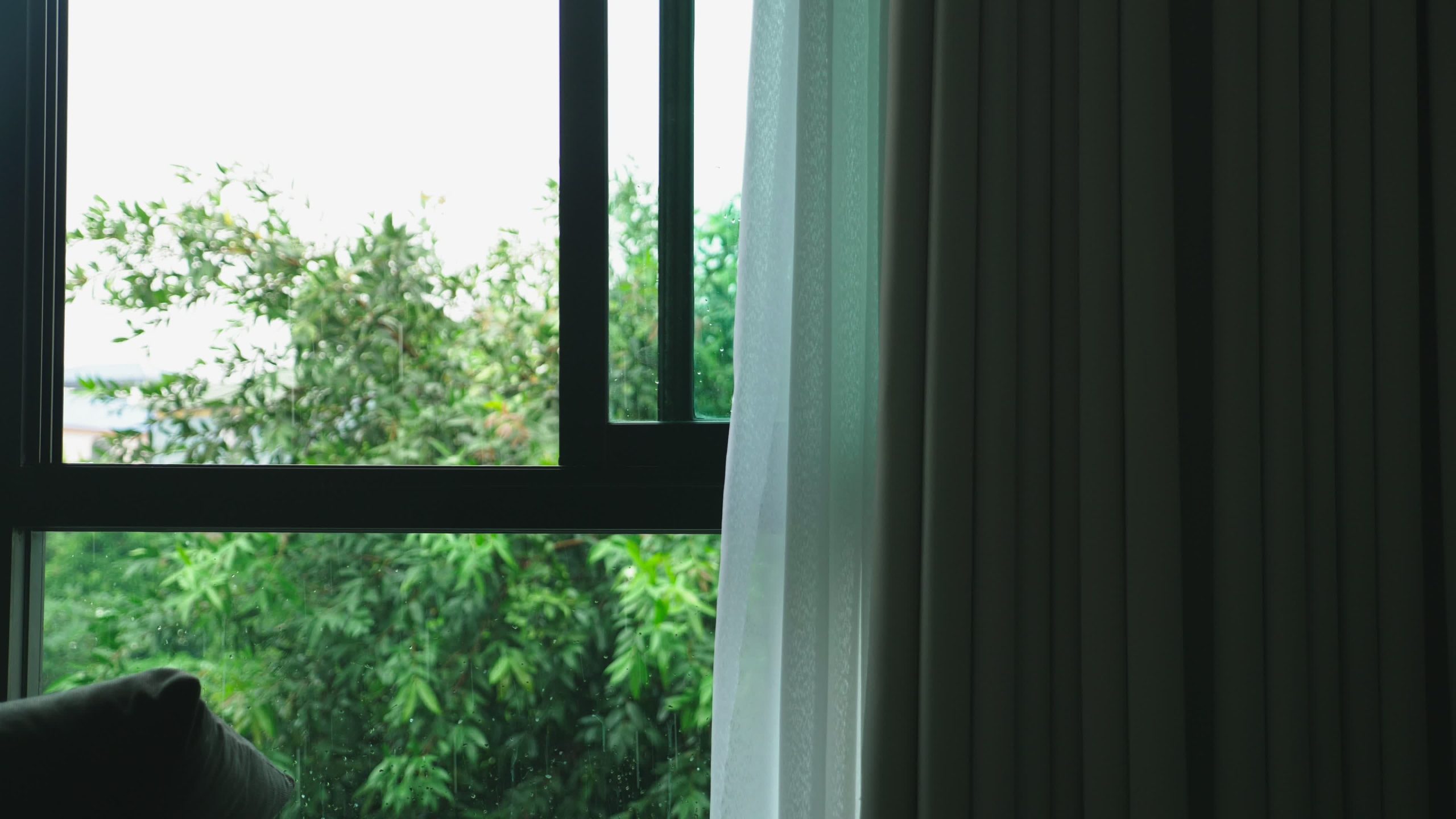
Modern homes are built to keep temperatures comfortable, but sealed spaces can also trap smells.
Cooking odors, cleaning products, pet smells, and everyday living scents can accumulate when air movement is limited. Even a clean home can begin to smell stale if fresh air rarely enters.
Opening windows briefly can help clear trapped odors and improve circulation. Using fans can also help prevent stagnant air.
People with consistently fresh-smelling homes often make ventilation part of their routine rather than waiting until a room smells unpleasant.
Neglecting carpets, rugs, and upholstery
Soft surfaces quietly collect everything that floats through a home.
Carpets, curtains, couches, and rugs absorb cooking smells, pet odors, dust, and moisture. Unlike hard surfaces, these materials can hold onto smells for weeks or even months.
Vacuuming regularly helps, but deeper cleaning is sometimes necessary to remove odors trapped below the surface.
This is especially important for homes with pets, children, or heavy foot traffic.
Leaving shoes scattered around

Shoes carry more than just dirt inside.
Sweat, moisture, and bacteria trapped inside footwear can create strong odors that spread through entryways, closets, and bedrooms.
Leaving shoes in open areas can make an entire room smell unpleasant. Let shoes air out and store them in a ventilated space to help control the problem.
If you like what you just read, then subscribe to our newsletter and follow us on social media.


