


This article was originally published on Crafting Your Home. A human contributor also wrote and edited the post.
A home is more than a place where we sleep, eat, and store our belongings. It is a quiet reflection of our experiences, interests, memories, and the way we interact with the world around us. When a space feels empty, overly predictable, or disconnected from the person living inside it, it can create the impression of a life that has become stuck on repeat.
A fascinating home does not need expensive furniture, luxury finishes, or designer decorations. The most memorable spaces usually contain small signs of personality: a shelf filled with favorite books, photographs from meaningful moments, artwork collected over time, objects connected to hobbies, or furniture arranged in a way that encourages conversation. Interior designers often emphasize that personal touches and thoughtful choices create warmth because they make a home feel lived-in rather than staged.
A boring home does not necessarily mean a boring person lives there. Sometimes people simply have not taken the time to shape their surroundings. However, certain features can make a space appear disconnected, repetitive, or lacking in character.
Completely empty walls create a lifeless atmosphere
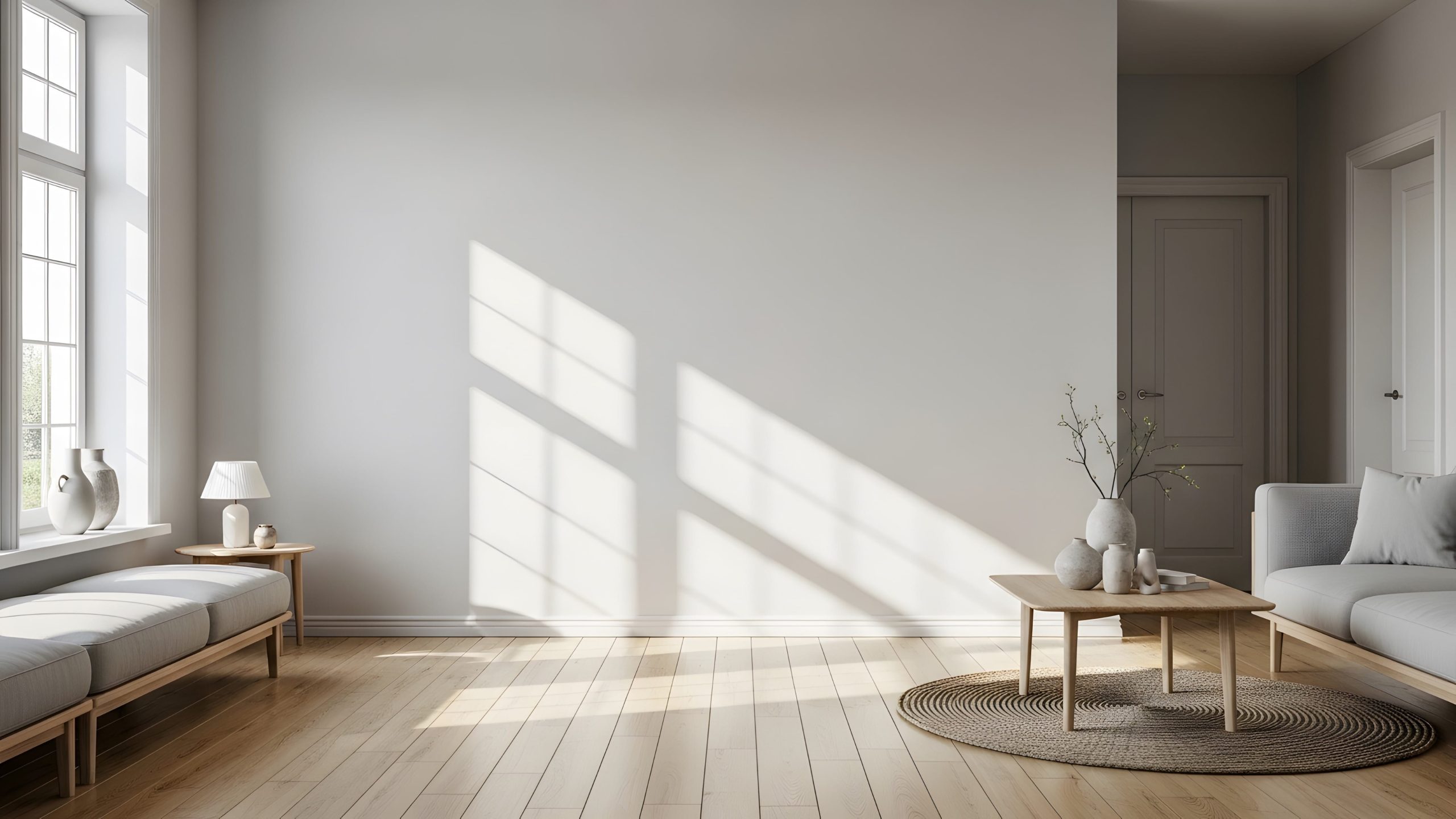
Walls are some of the largest storytelling spaces inside a home. When every wall remains completely empty, a room can feel unfinished, temporary, or disconnected from the people who live there.
A blank wall is not automatically a problem. Minimalist homes can look elegant and peaceful when the emptiness is intentional. The difference is that thoughtful minimalism usually includes carefully chosen elements that create balance, while completely empty walls may suggest that the space has never truly been personalized.
Artwork, photographs, travel memories, handmade pieces, or even a simple collection of meaningful objects can transform a room. These additions do not need to be expensive. A framed family recipe, a painting from a local artist, or photographs from important moments can create a sense of identity.
A home becomes memorable when visitors can look around and discover small pieces of the person who lives there. Without those details, a space may feel like a hotel room rather than a personal environment.
A home without books may lack signs of curiosity
Books are more than objects placed on shelves. They represent ideas, questions, imagination, learning, and personal interests.
A home does not need a giant library to feel thoughtful. Even a small collection of books can reveal something about the person inside. A few novels, travel guides, cookbooks, biographies, or hobby-related books can instantly add depth to a room.
When a home contains no signs of reading, learning, creating, or exploring, it may appear visually empty. The absence of books does not mean someone lacks intelligence or curiosity, but a complete absence of intellectual or creative materials can make a space feel less personal.
Books also create atmosphere. A bookshelf filled with different titles suggests experiences, opinions, memories, and interests. It gives visitors a glimpse into the homeowner’s mind.
A home becomes more interesting when it shows evidence that the person living there continues to discover new ideas.
Only basic furniture can make a home feel unfinished
Furniture exists for comfort and function, but it also shapes the personality of a room. A sofa, table, chair, or bed tells a story about how people spend their time and what kind of atmosphere they want to create.
A home containing only the absolute necessities may work perfectly well, especially for people who prefer simplicity. However, when every item serves only one practical purpose, the space can lose opportunities for warmth and expression.
A room with a basic sofa, plain table, and empty surfaces may feel more like a waiting area than a place where life happens. Small additions such as textured blankets, plants, lamps, unique chairs, or meaningful decorations can make a major difference.
Interior designers often warn that spaces filled with identical furniture sets can appear generic because they lack visual variety and personal character. Mixing different textures, materials, and styles often creates a more collected and authentic feeling.
The goal is not to fill every corner. The goal is to create a home that feels intentionally designed around the person living there.
No personal photos can make a home feel emotionally empty
Photographs capture moments that cannot be replaced. They remind people of friendships, family connections, adventures, achievements, and important chapters of life. A home without any personal photos may feel colder because there are no visible reminders of the experiences that shaped the person living there.
This does not mean every wall needs to become a photo gallery. Too many pictures can overwhelm a space. A few carefully chosen images are often enough to create warmth.
A photograph from a memorable trip, a family celebration, or a meaningful achievement can change the entire feeling of a room. It tells visitors that the home belongs to someone with a history.
Objects become more powerful when they carry memories. A simple photo frame can communicate more personality than an expensive decoration with no emotional connection.
When everything looks untouched, the home may feel disconnected
A perfect home can look beautiful, but a home that looks like nobody actually lives there may feel strangely empty. Small signs of daily life create warmth. A book left beside a chair, a favorite mug in the kitchen, a blanket on the sofa, or a collection of items connected to hobbies can make a room feel active.
A space where everything remains perfectly arranged at all times can sometimes appear more like a display room than a place where people relax.
Comfort requires permission for life to happen. Homes are not museums. They are places where people create memories, make mistakes, celebrate moments, and enjoy ordinary routines.
The goal is not disorder. A meaningful home balances organization with evidence of real living.
No visible hobbies can make a space feel empty
Hobbies reveal personality. They show what someone enjoys when they are not working, completing responsibilities, or following daily routines.
A home often naturally reflects hobbies. An artist may have supplies nearby. A musician may display instruments. A gardener may have plants throughout the space. A traveler may keep souvenirs from different places.
When there are no signs of interests, passions, or creative activities, a home can appear as though it exists only for basic functions. Hobbies add stories to a space. They create conversation starters and remind people that life involves more than work and responsibilities.
Even small signs matter. A chessboard, camera, collection, craft project, or fitness equipment can reveal a completely different side of someone’s personality.
An overly neutral color scheme can make rooms feel flat
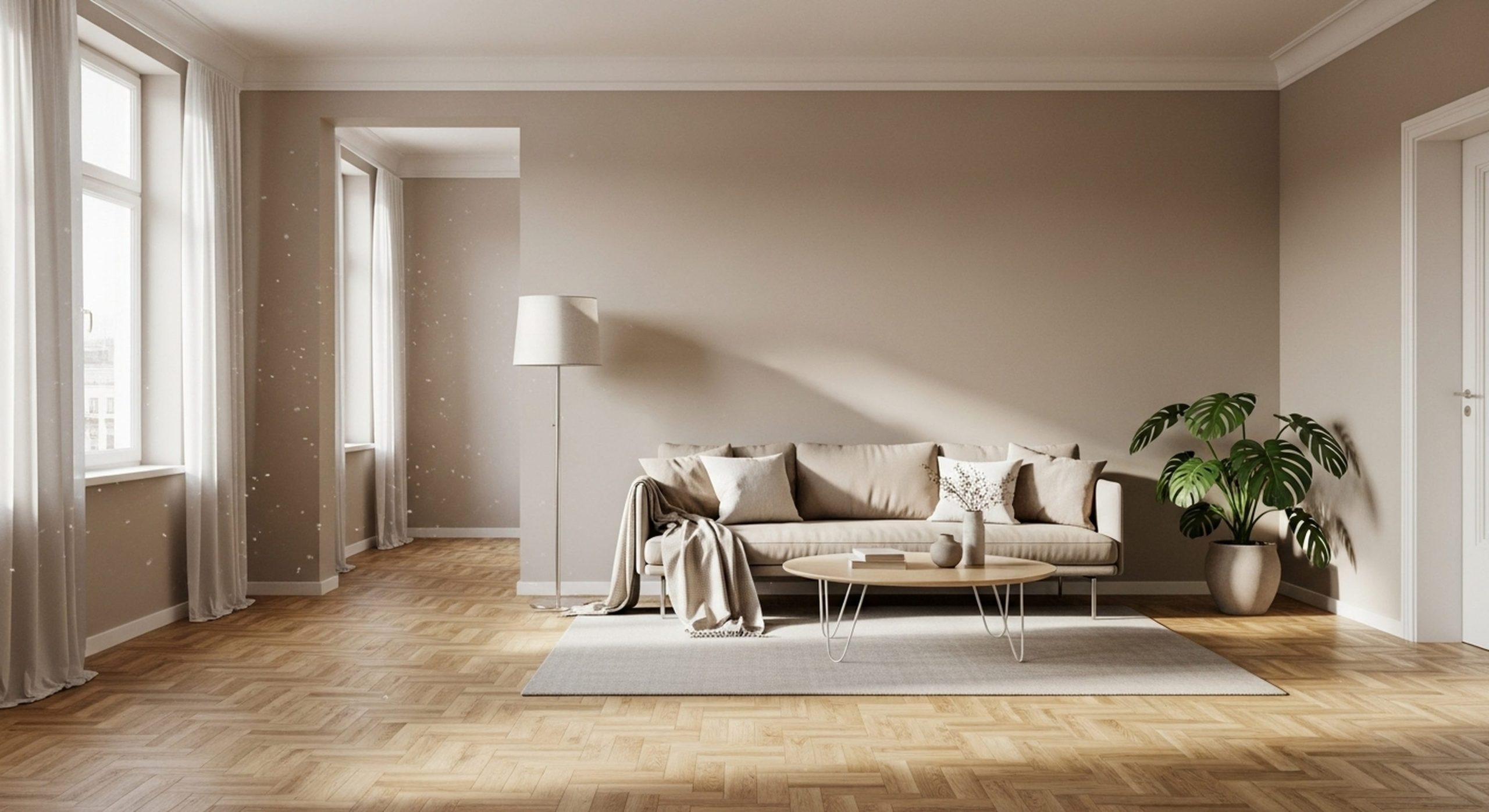
Neutral colors can create calm and sophistication, but using only safe shades throughout an entire home can sometimes remove energy and personality. A room filled entirely with beige, gray, white, or muted tones may feel peaceful, but without contrast it can also appear predictable.
Color does not need to mean bright walls or dramatic choices. Small details can introduce personality: colorful artwork, cushions, flowers, books, rugs, or decorative objects.
Modern design increasingly focuses on creating spaces that feel personal rather than simply following trends. Designers often encourage homeowners to use color, texture, and meaningful objects to prevent rooms from feeling sterile.
A home should reflect the mood and identity of the people living there. Color is one of the easiest ways to communicate that.
Identical decorations everywhere remove personality
Consistency can make a home look polished, but too much matching can make it feel artificial.
When every room uses the same colors, patterns, and decorative style, the result can resemble a furniture showroom instead of a lived-in home. Designers often note that spaces with too many matching elements can lose character because nothing stands out.
A home with personality usually contains variety. A modern lamp beside a vintage table, a colorful painting against a neutral wall, or a handmade object next to a store-bought piece creates visual interest.
The most memorable homes often develop naturally over time. They contain items collected during different stages of life rather than decorations purchased all at once. A perfectly coordinated home may look impressive, but a slightly imperfect home often feels more authentic because it tells a story.
A meaningful home tells the story of the person living there
A home does not become interesting because it follows every design trend. It becomes interesting because it reflects a real person. The most inviting spaces usually contain evidence of life: memories on the walls, hobbies in corners, books on shelves, colors that inspire, and objects with personal meaning.
A boring-looking home is not a permanent label. Any space can become warmer and more expressive through small changes.
The goal is not perfection. The goal is connection.
When a home reflects curiosity, creativity, and personal experiences, it becomes more than a place to live. It becomes a visual story of the life happening inside it.
If you like what you just read, then subscribe to our newsletter and follow us on social media.


