
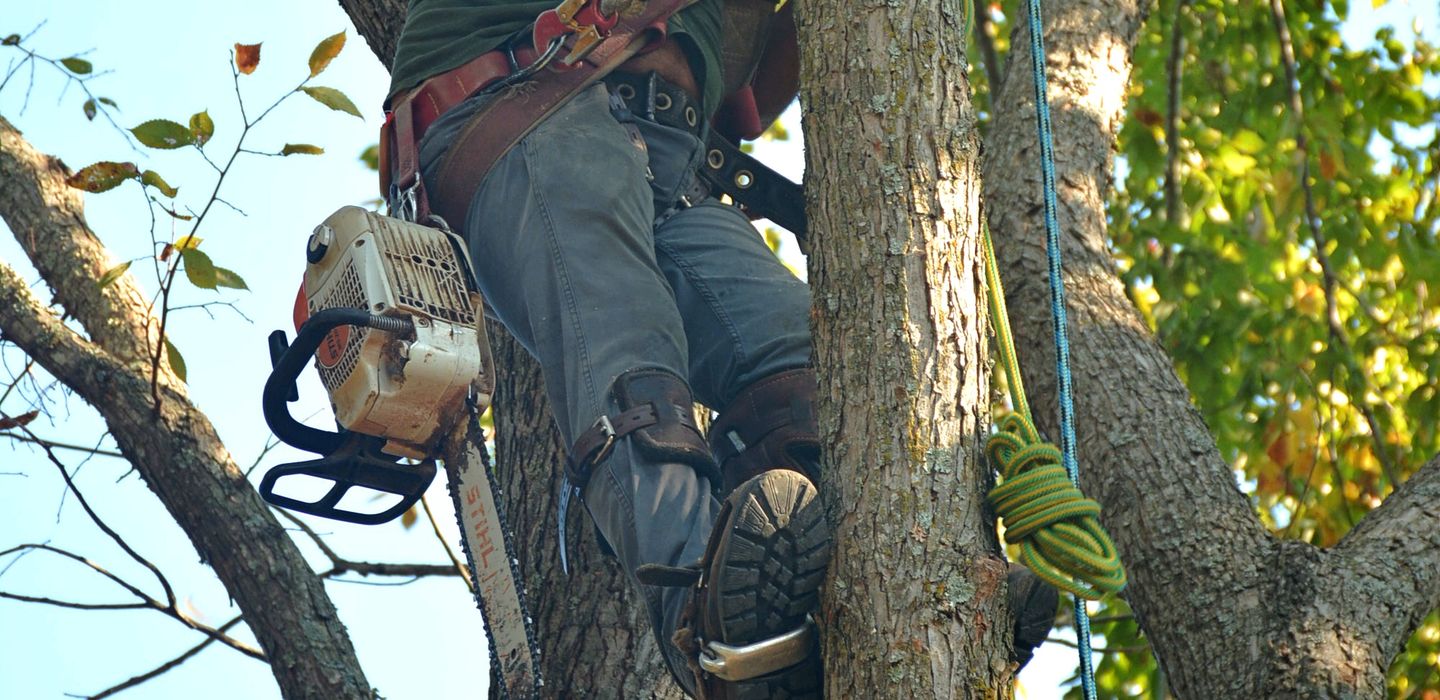

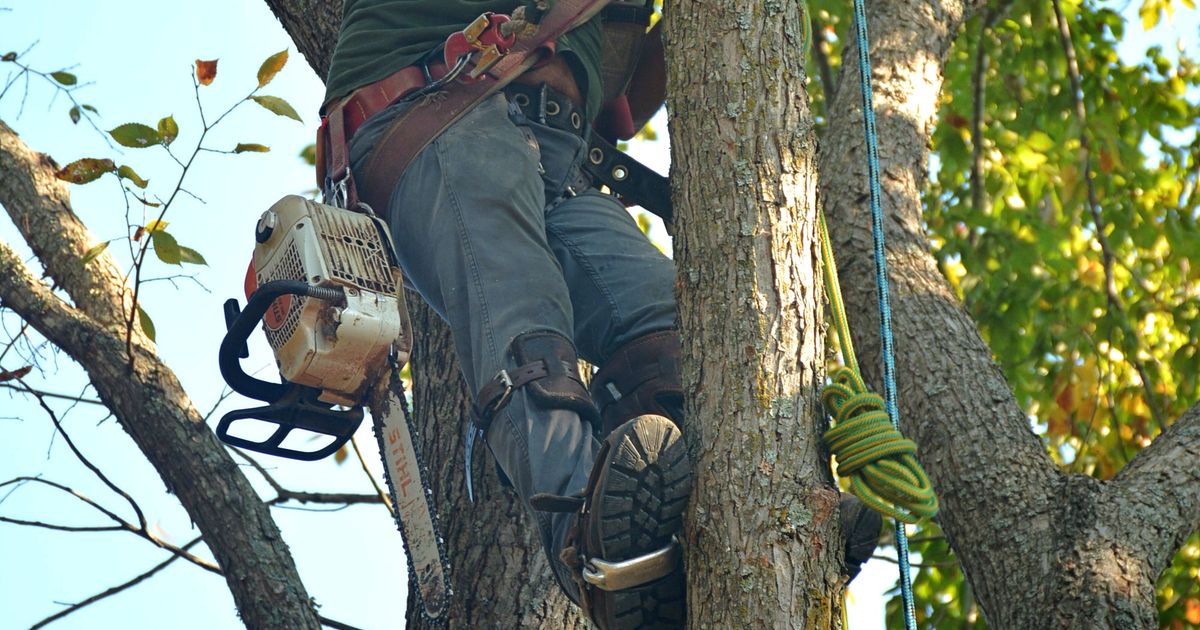
This article was originally published on Crafting Your Home. A human contributor also wrote and edited the post.
Trees can look strong and healthy from the ground, but hidden problems inside branches, roots, or trunks can turn a beautiful tree into a serious safety risk. That is where arborists come in.
Many homeowners think tree care is simply about trimming branches or removing dead limbs. While pruning is part of the job, professional arborists do much more. They study tree health, diagnose problems, prevent damage, and help trees survive for decades.
A healthy tree can increase property value, improve outdoor spaces, provide shade, and support local ecosystems. But like any living thing, trees need proper care.
Knowing when to call an arborist can make the difference between saving a tree and dealing with costly damage later.
What an Arborist Actually Does
An arborist is a trained professional who specializes in the care, maintenance, and management of trees and woody plants.
Unlike general landscapers, arborists focus specifically on tree biology, safety, and long-term health.
Their work can include inspecting trees for diseases, identifying pests, recommending treatments, pruning branches correctly, and evaluating whether a tree has become dangerous.
One of the biggest parts of an arborist’s job is tree assessment.
A tree may appear healthy on the outside while experiencing problems internally. Cracks, root damage, fungal growth, or structural weaknesses can develop without obvious warning signs.
Professional arborists use their knowledge of tree structure and growth patterns to identify risks before they become emergencies.
The International Society of Arboriculture (ISA), one of the leading organizations for tree care professionals, emphasizes that proper tree care requires specialized knowledge and training rather than simple cutting techniques.
Arborists also help homeowners understand what their trees need throughout different stages of growth.
A young tree may need proper shaping to develop a strong structure. An older tree may require careful maintenance to reduce hazards while preserving its health.
Signs Your Trees May Need an Arborist
Dead or falling branches
One of the clearest warning signs is dead wood in the canopy.
Dead branches can fall unexpectedly, especially during storms or strong winds. They can damage property, vehicles, or injure people nearby.
An arborist can determine whether pruning is enough or whether deeper problems are affecting the tree.
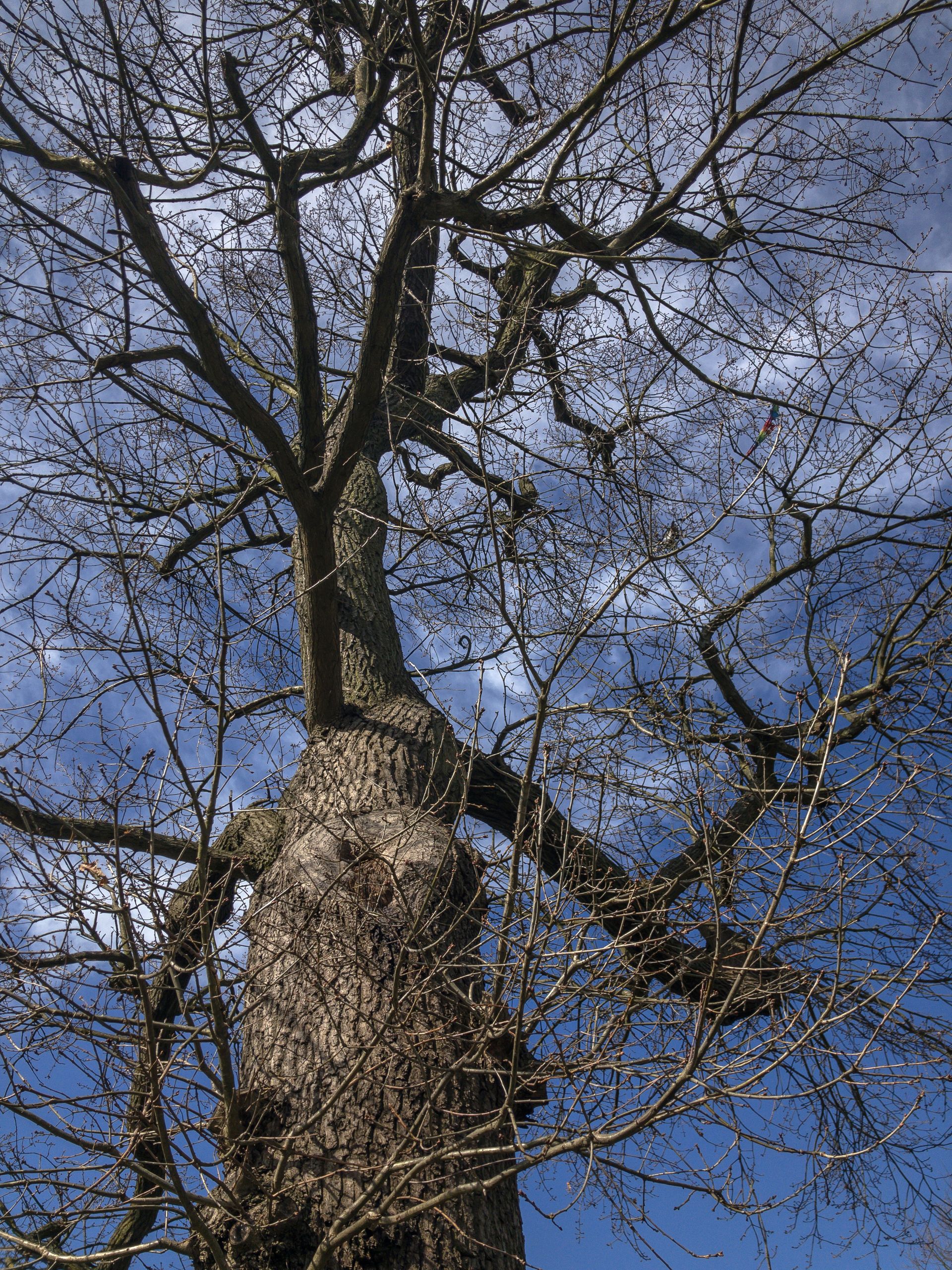
Cracks in the trunk or major branches
Large cracks are not just cosmetic problems.
They may indicate structural weakness that could cause a branch or entire tree section to fail.
A professional inspection can help determine whether the tree can be stabilized or whether removal may be necessary.
Leaning trees
A tree that suddenly begins learning deserves attention.
While some trees naturally grow at an angle, a new lean can signal problems with roots, soil stability, or storm damage.
Trees with compromised root systems may become dangerous because they can fall without much warning.
Unusual growth or fungal activity
Mushrooms growing around the base of a tree or unusual growth on the trunk can indicate decay.