This article was originally published on Crafting Your Home. A human contributor also wrote and edited the post.
A growing number of Americans are expressing concerns about President Donald Trump’s age and ability to serve, reopening a debate that shaped the 2024 election and continues to influence how voters view presidential leadership.
Age has once again become a major factor in discussions surrounding the presidency, with voters weighing experience against concerns about stamina, health and the demands of holding the nation’s highest office.
The issue is not unique to Trump. During the 2024 election cycle, age became one of the biggest political questions facing both major-party candidates, with many voters expressing concerns about whether older leaders could meet the physical and mental demands of the presidency.
Now, as Trump continues his second term, the question is shifting from campaign debates to questions about governing capacity and public confidence.
Age Concerns Follow Trump Into His Second Term

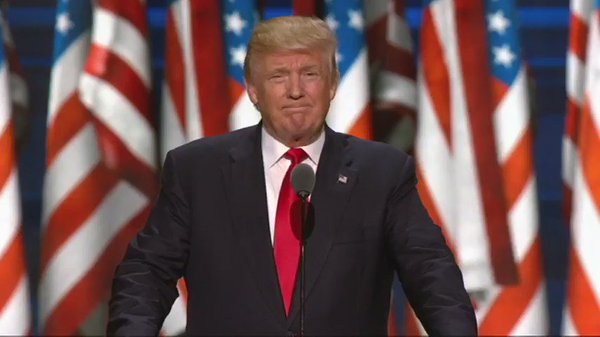
Daniel Torok, Public domain, via Wikimedia Commons
Donald Trump became the oldest person elected president when he won the 2024 election at age 78. Concerns about his age existed before the election, with several polls showing significant numbers of Americans questioning whether he was too old to serve another term.
Those concerns have not disappeared.
Recent polling and political analysis indicate that voters continue to evaluate Trump not only on policies and performance but also on whether they believe he has the energy and focus required for the presidency.
For critics, age concerns are connected to questions about communication style, public appearances and the ability to manage the responsibilities of a demanding executive role.
Supporters, however, argue that experience can be an advantage and point to Trump’s long political career, decision-making experience and ability to maintain a demanding schedule.
The debate reflects a broader question facing American politics: whether voters prioritize age and generational change or value experience and familiarity.
The Biden Factor Changed the Age Conversation
Age became a central issue during the 2024 presidential race, particularly after concerns about President Joe Biden’s age and public performances intensified.
Before Biden withdrew from the race, polls showed many Americans worried about his age and ability to complete another term. Those concerns affected public perception of the Democratic ticket and influenced broader conversations about presidential fitness.
After Biden exited the race, attention shifted more heavily toward Trump.
Several surveys during the campaign found that many voters also viewed Trump as too old for the job, creating a rare situation where both major candidates faced age-related criticism.
The issue demonstrated that age concerns were not limited to one political party.
Why Age Has Become Such a Powerful Political Issue
The presidency is one of the most physically and mentally demanding jobs in the world. Presidents face long working hours, international crises, national security decisions and constant public attention.
Because of this, voters often consider more than political experience when evaluating candidates. They also look at energy, communication skills and the ability to handle pressure over several years.
For older candidates, every public appearance can become part of a larger debate about health and capability.
Supporters often argue that age does not automatically determine effectiveness. Many older leaders have continued performing important roles successfully.
Critics counter that the presidency requires exceptional stamina and that voters deserve transparency about a candidate’s health.
Trump’s Supporters Point to Experience
Trump’s supporters have rejected arguments that his age should disqualify him from serving. They argue that leadership ability depends on judgment, decision-making and experience rather than a person’s birth year.
Many supporters view Trump’s age as an asset because it represents decades of business experience, political knowledge and familiarity with government.
They also argue that age-related criticism has sometimes been politically motivated rather than based on genuine concerns.
The debate reflects a long-running disagreement in American politics about whether older leaders bring valuable wisdom or whether younger generations should take a larger role.
Critics Raise Questions About Stamina and Longevity
Those concerned about Trump’s age argue that the presidency requires a level of endurance that becomes increasingly challenging as people grow older.
Critics have pointed to moments when Trump appeared tired, made verbal mistakes or gave lengthy speeches that they say raise questions about his ability to maintain the pace of the presidency.
Some voters also express concerns about whether Trump would be able to complete a full term.
Age-related concerns are often difficult politically because they involve both legitimate questions about leadership capacity and the risk of unfair assumptions based solely on age.
The Issue Could Influence Future Elections
Age is likely to remain a major issue in American politics. The United States has an aging political leadership class, with many prominent lawmakers and officials serving well into their seventies and eighties.
This has created a broader debate about generational change, retirement ages and whether political institutions adequately represent younger Americans.
The conversation extends beyond Trump and raises questions about the future of political leadership in both parties.
Public Opinion Is About More Than Age Alone
Although polls may show concerns about Trump’s age, voters typically evaluate presidents through several factors. Economic conditions, foreign policy decisions, domestic issues and personal leadership style often influence approval ratings more than age alone.
Recent polling has shown Trump facing challenges on several fronts, including public perceptions of his handling of major issues such as the economy and national priorities.
This means age concerns are often connected to a larger evaluation of presidential performance. A voter who already supports Trump may view age as irrelevant, while a voter who is dissatisfied with his leadership may see age as another reason for concern.
The Debate Over Age Is Not Going Away
The question of whether Trump is too old for the presidency reflects a larger national conversation about leadership, experience and generational transition.
For supporters, age represents decades of knowledge and political experience. For critics, it raises questions about energy, health and the future direction of the country.
As Trump continues his presidency, voters will continue judging his performance through many lenses, including the one that has become increasingly important in modern elections: whether the person in the Oval Office can meet the extraordinary demands of the job.
The age debate is no longer just about numbers. It has become a broader discussion about what Americans expect from their leaders and what qualities matter most when choosing the person responsible for guiding the nation.
If you like what you just read, then subscribe to our newsletter and follow us on social media.