


This article was originally published on Crafting Your Home. A human contributor wrote and edited the post.
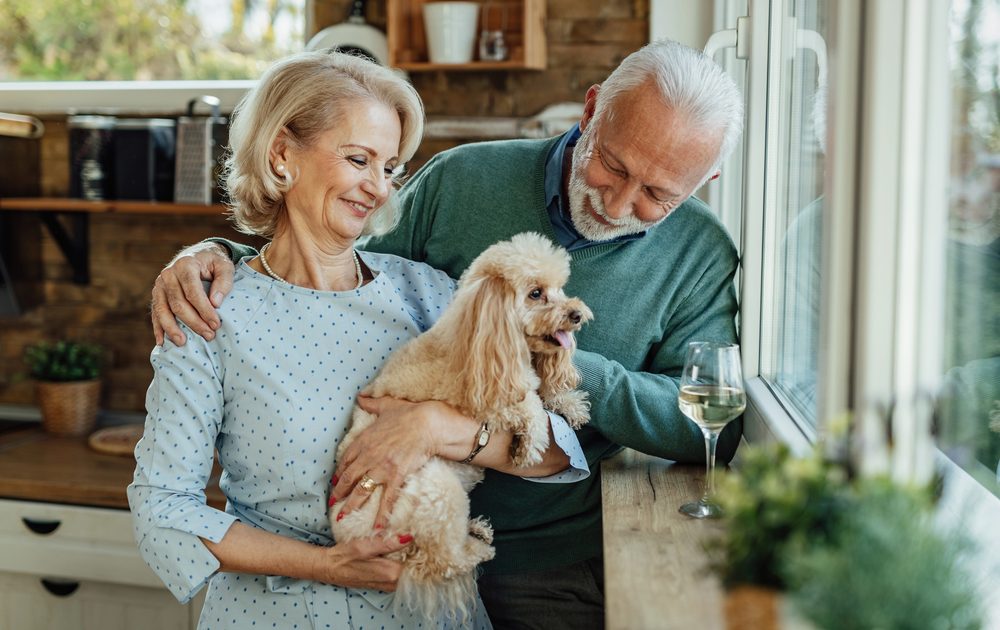
A dog can be one of the most powerful companions a person has during retirement, offering more than loyalty and affection. For many baby boomers, life with a dog brings movement, purpose, emotional support, and daily moments of happiness that can make aging feel more fulfilling.
As millions of older adults move into a new chapter of life, they are discovering that their pets are not simply animals living in their homes. They are walking partners, trusted companions, social connectors, and sources of comfort during times of change. From encouraging daily exercise to reducing feelings of loneliness, dogs often create healthy habits without their owners even realizing it.
While owning a dog is not a replacement for medical care, a balanced diet, or regular exercise, research continues to show that pet ownership can be linked with several aspects of healthy aging. The simple routines that come with caring for a dog may help older adults stay active, engaged, and emotionally connected.
Dogs Make People Laugh More Often
One of the simplest benefits of living with a dog is the happiness they bring to ordinary moments. Dogs have a way of turning everyday situations into memorable experiences. Their excitement when an owner returns home, their funny habits, and their playful personalities create moments of joy. For older adults, those small moments matter.
A happy life is not always created by major events. Sometimes it comes from simple experiences, such as watching a dog chase a toy, enjoying a walk on a sunny afternoon, or feeling a pet resting beside them. These positive interactions can improve mood and make daily life feel more enjoyable.
Dogs Help Boomers Fight the Growing Problem of Loneliness

For many older adults, loneliness becomes one of the hardest challenges after retirement, and dogs provide constant companionship when daily social contact decreases. A person may spend decades surrounded by coworkers, friends, and family members. Then retirement arrives, children move away, and social interactions may happen less frequently. The quietness that follows can feel overwhelming.
A dog brings life back into the home. There is always someone waiting at the door, someone needing attention, and someone ready to provide affection without judgment. Unlike many human relationships, the bond between a person and a dog is built around consistency. Dogs do not care about age, career status, or past achievements. They respond to the person in front of them. That unconditional connection can be especially meaningful during major life changes, including moving to a new home, adjusting after losing a spouse, or learning to live alone.
A Dog Creates a Daily Reason to Move
One of the biggest advantages of having a dog during retirement is that it naturally encourages physical activity every single day. After leaving the workforce, many older adults find that their schedules become less structured. Without a daily commute, workplace responsibilities, or regular meetings, it can become easier to spend more time sitting at home. A dog changes that pattern by creating a reason to get up and move. A morning walk, a trip outside for fresh air, or a few minutes of playing in the backyard can add movement throughout the day. These activities may seem small, but they can help maintain strength, balance, and mobility as people grow older.
For many boomers, walking the dog does not feel like traditional exercise. It feels like spending time with a friend. That emotional connection can make it easier to stay consistent compared with activities that feel like a chore. A dog also adapts exercise to the owner’s lifestyle. Someone who prefers gentle walks can enjoy a slower pace, while someone with more energy can take longer routes or explore local parks. The important part is that the dog creates a reason to stay physically engaged.
Dogs Support a Healthier Heart Through Lifestyle Changes
The heart-health benefits of dog ownership often come from the healthier lifestyle that develops around caring for a pet. Many dog owners walk more frequently than people without pets. Regular walking supports cardiovascular health by improving circulation, helping maintain a healthy weight, and keeping the body active. Beyond physical movement, dogs can also help reduce stress. Spending time with a pet may create feelings of calm and comfort, which can be valuable because long-term stress can negatively affect overall health.
Retirement can sometimes bring unexpected stress. Financial decisions, changing family roles, health concerns, and adjustments to a slower lifestyle can create emotional pressure. A dog provides a steady presence during those transitions. The simple act of sitting with a dog after a difficult day can create a sense of peace. That emotional support may become an important part of maintaining overall well-being.
Dogs Encourage People to Spend More Time Outdoors
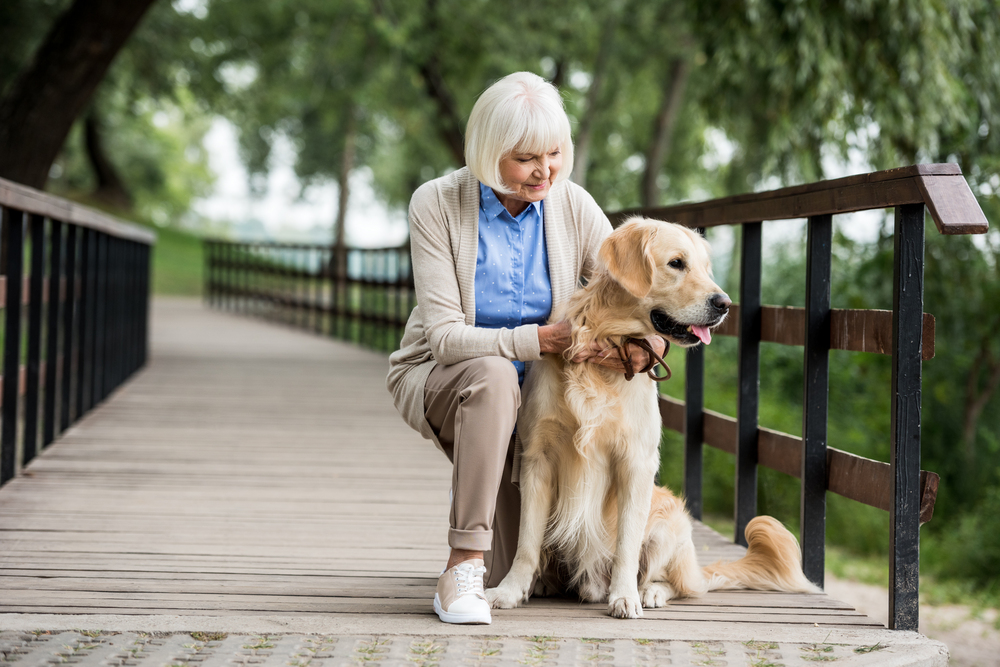
A dog often becomes the motivation that gets older adults outside and connected with the world around them. Spending time outdoors has many benefits, including exposure to natural light, fresh air, and gentle physical activity. A daily walk can become a peaceful routine rather than just a responsibility.
Outdoor time can also improve mental well-being. Seeing neighbors, visiting parks, and experiencing changing seasons can help people feel more connected to their surroundings. For retirees who spend more time at home, a dog can prevent life from becoming too isolated.
A Dog Can Bring New Friendships Into an Older Adult’s Life
Walking a dog often creates unexpected social opportunities that help older adults stay connected with their communities. Dogs naturally attract conversations. A simple walk around the neighborhood can lead to friendly exchanges with neighbors, other pet owners, or people who simply want to say hello. These small interactions may seem insignificant, but regular social contact plays an important role in emotional health. A brief conversation during a walk can brighten someone’s day and create familiarity within a community.
Many older adults also join dog parks, training classes, rescue groups, or local pet events. These activities create opportunities to meet people with similar interests and build new friendships. For boomers who move after retirement, a dog can make building a new social circle easier. Instead of starting conversations from nothing, the dog becomes a natural introduction.
Dogs Give Retirement a Stronger Sense of Purpose
One of the most overlooked benefits of dog ownership is the feeling of being needed. For many retirees, the transition away from work can create a loss of identity. A career often provides goals, responsibilities, and daily challenges. When that disappears, some people struggle to find a new source of meaning. A dog fills part of that space.
Dogs depend on their owners for food, care, attention, and affection. Their needs create structure and responsibility. Even simple tasks, such as preparing breakfast or taking a walk, can provide a sense of accomplishment. That daily responsibility can make mornings feel more meaningful. Instead of waking up with no plans, many dog owners have a reason to start the day. The emotional benefit comes from knowing that another living creature depends on them. That connection can create confidence, motivation, and a stronger sense of belonging.
Caring for a Dog Keeps the Brain Engaged
Dog ownership involves mental activity that can help older adults stay engaged and alert. Taking care of a dog requires attention and problem-solving. Owners must remember feeding schedules, monitor changes in behavior, learn training techniques, and respond to their pet’s needs. These everyday decisions keep the mind active.
Teaching a dog a new command requires patience and communication. Understanding why a dog behaves a certain way requires observation and curiosity. Even deciding on a new walking route or adjusting care routines involves small moments of planning. While a dog cannot prevent cognitive decline, maintaining an active lifestyle with meaningful responsibilities can support overall brain health.
Key Takeaways

Dogs do not simply add years to life. They can add more life to those years.
Healthy aging is not only about avoiding illness. It is also about staying connected, finding meaning, maintaining independence, and enjoying everyday experiences.
For many boomers, a dog represents a companion through every stage of retirement. It provides motivation on quiet days, comfort during difficult moments, and happiness during ordinary ones.
A dog cannot replace family, friends, or professional healthcare, but it can become an important part of a balanced and fulfilling life.
As more older adults discover the benefits of pet companionship, the relationship between humans and dogs continues to prove something simple: sometimes the best support system comes with four paws, a wagging tail, and a daily reminder that someone is happy to see you.
If you like what you just read, then subscribe to our newsletter and follow us on social media.


