


This article was originally published on Crafting Your Home. A human contributor also wrote and edited the post.
President Donald Trump’s tariff strategy was built around a simple promise: make foreign goods more expensive, encourage companies to manufacture in the United States, and rebuild American industry. But for some businesses, the new trade barriers are producing an unexpected result. Instead of leaving China, some companies are returning to Chinese suppliers because the cost of avoiding tariffs has become too high.
The shift highlights a complicated reality of global manufacturing. Moving production is not as simple as opening a factory in another country or bringing jobs back home. Companies must consider supply chains, skilled workers, production costs, transportation networks, and access to specialized suppliers.
For businesses that spent years building relationships with Chinese manufacturers, tariffs can create a difficult choice: absorb higher costs, pass those costs to consumers, or return to a supply chain they already understand.
The Tariff Strategy Was Meant to Reduce Reliance on China

Trump has long argued that tariffs are a tool to pressure foreign competitors and encourage domestic production.
During both of his administrations, tariffs became a central part of his economic approach toward China, to reduce dependence on Chinese manufacturing and encourage companies to build factories inside the United States.
The idea behind the policy was straightforward. If importing goods from China became more expensive, companies would have a stronger reason to shift production elsewhere.
Some businesses did respond by moving portions of their supply chains to countries such as Vietnam, Mexico, and India.
However, not every company found those alternatives practical.
Manufacturing decisions are often based on decades of investment, supplier relationships, and specialized knowledge that cannot easily be recreated in a new location.
Companies Find That Leaving China Is More Difficult Than Expected
For many businesses, China remains attractive because of its massive manufacturing ecosystem.
The country has built networks of suppliers that can produce everything from raw materials to finished products within a short distance.
A company making electronics, machinery, clothing, or consumer goods may rely on hundreds of suppliers that have developed around existing factories.
Moving production away can mean finding new suppliers, retraining workers, adjusting equipment, and dealing with slower production timelines.
Some businesses that initially moved away from China are now reconsidering those decisions because the alternatives created new challenges.
The result is a situation where tariffs designed to weaken China’s manufacturing role can sometimes make Chinese production attractive again for certain companies.
Higher Costs Force Businesses to Recalculate Supply Chains
Companies do not make manufacturing decisions based only on politics.
They also have to consider whether customers will accept higher prices and whether production remains profitable.
When tariffs increase the cost of imported goods, businesses often face difficult choices.
They can absorb the additional expense and accept lower profits. They can increase prices and risk losing customers. Or they can adjust their supply chain to reduce costs.
For some companies, returning to Chinese suppliers may become the most practical option.
China’s manufacturing advantage is not only about cheaper labor. It also comes from infrastructure, logistics networks, engineering expertise, and supplier availability.
Those advantages are difficult for other countries to replicate quickly.
The “Made in America” Goal Faces Real-World Challenges
The push to rebuild American manufacturing has received support from many policymakers who argue that domestic production creates jobs and strengthens national security.
Supporters say the United States became too dependent on foreign supply chains, especially for critical goods such as technology components, medical supplies, and industrial materials.
However, rebuilding manufacturing capacity takes time.
A factory requires investment, workers, equipment, and suppliers. Even when companies want to move production back to America, they may struggle to find enough skilled workers or affordable production capacity.
Some industries have made progress in reshoring, but others continue relying on global networks because domestic alternatives remain limited.
The challenge is not simply convincing companies to leave China. It is creating a competitive environment where staying in the United States makes economic sense.
China’s Manufacturing Advantage Remains Difficult to Replace
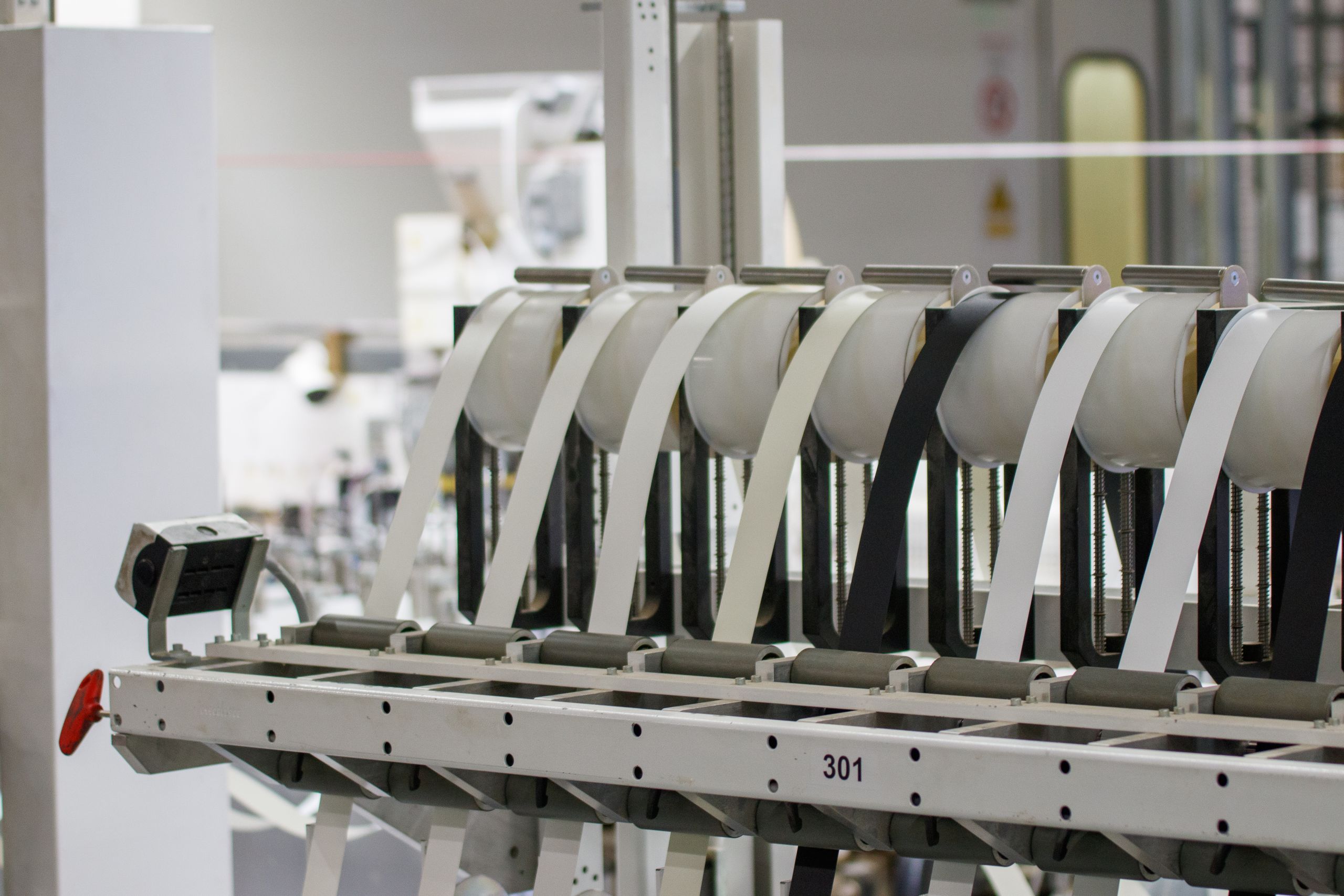
China’s strength in manufacturing comes from decades of development.
The country has invested heavily in industrial infrastructure, ports, transportation systems, and specialized production clusters.
For many companies, China offers an entire ecosystem rather than just a factory.
A business producing a complex product may need access to hundreds of smaller suppliers that provide components, packaging, machinery, and technical support.
Replacing that network can take years.
This is why some companies that moved production to other countries have struggled with delays, higher costs, or quality issues.
Rather than completely abandoning China, some businesses have chosen a hybrid approach by maintaining Chinese suppliers while diversifying production elsewhere.
Tariffs Create Winners and Losers Across Industries
Tariffs do not affect every company in the same way.
Some American manufacturers benefit because foreign competitors face higher costs.
Domestic companies that produce similar goods may gain an advantage when imported products become more expensive.
However, companies that rely on imported materials or components can face higher expenses.
Manufacturers that depend on global supply chains may see their costs rise even if their final products are assembled in the United States.
The impact can eventually reach consumers through higher prices.
The debate over tariffs often centers on whether the long-term benefits of stronger domestic manufacturing outweigh the short-term costs.
Businesses Look for a Balance Between Cost and Security
Many companies are now trying to create supply chains that are less dependent on one country.
The pandemic exposed vulnerabilities in global trade networks when shortages affected everything from electronics to household products.
Since then, companies have focused on building more flexible supply chains.
Some have adopted a “China plus one” strategy, keeping some production in China while adding factories or suppliers in other countries.
Others have explored reshoring production closer to American customers.
However, cost remains one of the biggest factors influencing these decisions.
A company may support domestic manufacturing goals but still choose the option that keeps its products affordable.
The Trade Debate Moves Beyond Tariffs Alone
The debate over tariffs is part of a larger discussion about America’s economic future.
Supporters argue that tariffs are necessary to challenge unfair trade practices and protect American workers.
Critics argue that tariffs can create unintended consequences by increasing costs and encouraging companies to make decisions that do not always benefit domestic manufacturing.
The reality is more complicated than simply choosing between American factories and foreign factories.
Modern manufacturing depends on global networks that have developed over decades.
Changing those networks requires more than raising import costs.
A Complicated Outcome for Trump’s Manufacturing Vision

Trump’s tariff strategy aimed to push companies away from China and toward American production.
For some industries, that goal has influenced investment decisions and encouraged new domestic projects.
But for other companies, the higher costs and complexity of shifting supply chains have created an unexpected response: returning to suppliers in China.
The situation demonstrates how difficult it is to reshape global manufacturing through tariffs alone.
Companies ultimately make decisions based on economics, reliability, and long-term survival.
As trade policies continue evolving, the biggest question is whether tariffs will create a stronger American manufacturing base or push some businesses back toward the very supply chains they were meant to leave behind.
If you like what you just read, then subscribe to our newsletter and follow us on social media.


