


This article was originally published on Crafting Your Home. A human contributor also wrote and edited the post.
A sightseeing trip above one of Peru’s most mysterious landmarks ended in devastation after a tourist plane crashed near the ancient Nazca Lines, killing all 13 people aboard and sending shockwaves through the country’s tourism industry.
The small aircraft went down in the desert near the city of Nazca shortly after beginning a flight designed to give visitors a bird’s-eye view of the massive ancient drawings etched into the landscape. Among those killed were 11 international tourists and two pilots, according to local authorities.
The crash has triggered an urgent investigation into what caused the aircraft to lose communication with air traffic controllers just minutes after takeoff. Officials are examining every possibility, including mechanical failure, operational issues, and other factors that may have contributed to the deadly accident.
For families waiting for answers and a nation mourning another aviation tragedy, the question remains the same: what went wrong during a flight that was supposed to showcase one of Peru’s greatest cultural treasures?
Deadly Flight Ends in Desert Crash Near Peru’s Famous Nazca Lines
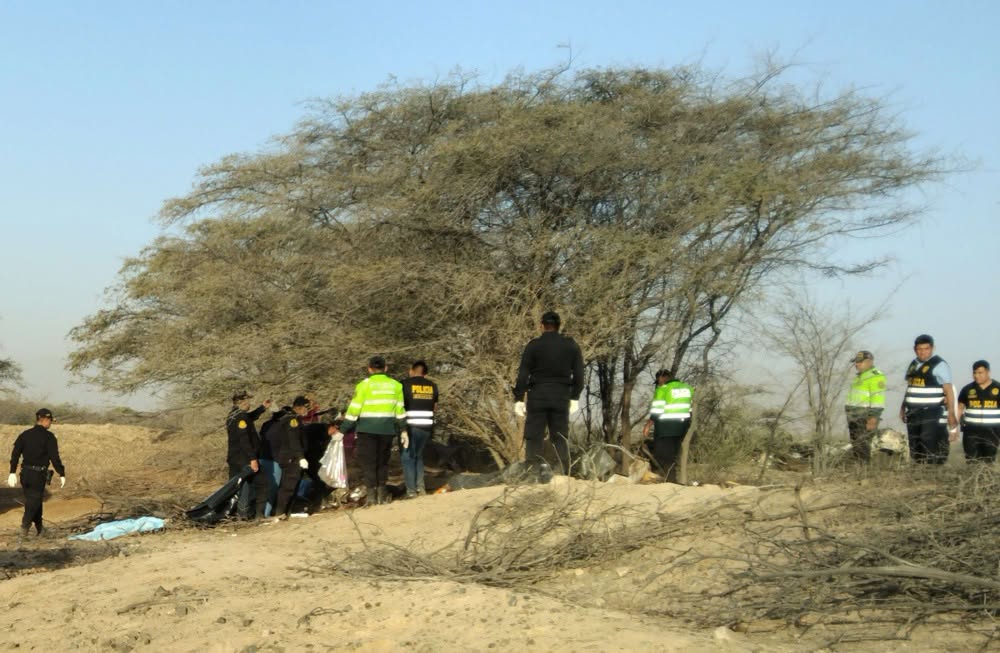
The aircraft involved in the accident was a Cessna Grand Caravan, a type of small aircraft frequently used for tourism flights because of its ability to carry passengers over remote landscapes.
Authorities said the plane departed from Pisco, a coastal city located several hours from Lima, at approximately 1 p.m. local time. The flight was intended to take tourists over the Nazca Lines, allowing them to view the enormous shapes that have fascinated historians and travelers for decades.
However, the journey quickly turned into a disaster. Officials reported that the aircraft lost contact with the control tower before crashing in the Pueblo Viejo area, approximately 6 kilometers from Nazca and around 12 kilometers from the famous archaeological site.
Emergency responders rushed to the scene after the crash. Police officers and firefighters worked through the desert terrain as they searched the wreckage and attempted to recover victims.
Police Major Jorge Andrade confirmed that the accident was so severe that there were no survivors.
“We have information that 11 passengers and two crew members have died,” Andrade said while speaking near the crash site.
The confirmation brought a wave of grief to Peru and the countries connected to the victims.
Foreign Visitors Among Victims of Nazca Sightseeing Plane Crash
The passengers were international travelers who had come to Peru to experience one of South America’s most recognizable attractions.
Authorities identified seven Italian tourists among those killed. Two German nationals, believed to have been traveling together as a couple, were also among the victims. Two Spanish tourists were also on the aircraft.
The pilots were identified as Americo Salazar Cuellar and Irenka Del Carpio. Both crew members died alongside the passengers.
The deaths have affected communities far beyond Peru, with families across Europe now facing the devastating loss of loved ones during what was expected to be a memorable holiday experience.
Tourism officials expressed sorrow following the crash and recognized the tragedy faced by the victims’ families.
The accident also raised immediate concerns about the safety of small aircraft operations around the Nazca Lines, where thousands of visitors take aerial tours every year.
Authorities Launch Investigation Into Cause of Peru Plane Crash
Investigators have begun examining the circumstances surrounding the crash. The cause remains unknown, and officials have not confirmed whether the aircraft experienced technical problems before going down.
Aviation investigators are expected to analyze the plane’s maintenance records, flight history, communication systems, and the aircraft’s condition before the crash.
The final moments of the flight will also be reviewed through available records from air traffic control and aviation authorities.
Understanding what happened will be critical not only for the victims’ families but also for Peru’s aviation industry. Small sightseeing flights operate in unique conditions, often flying over remote areas where emergency response can be challenging.
The investigation will likely focus on whether proper safety procedures were followed and whether any warning signs appeared before the aircraft lost communication.
Peru’s transportation and aviation authorities are expected to provide updates as more evidence becomes available.
Nazca Lines Tourism Faces New Safety Questions After Multiple Crashes
The deadly crash is not the first aviation disaster connected to flights over the Nazca Lines.
The UNESCO World Heritage Site attracts hundreds of thousands of visitors every year, with many choosing aerial tours because the enormous designs are difficult to understand from the ground.
The ancient geoglyphs include images of animals such as hummingbirds, monkeys, spiders, and whales, along with geometric shapes stretching across the desert.
Their size and mystery have made them one of Peru’s biggest tourist attractions. However, repeated aviation accidents have raised concerns about the safety standards surrounding flights in the region.
In 2022, another small aircraft crash near the Nazca Lines killed seven people, including foreign tourists.
Earlier tragedies also occurred in 2010. One crash killed four British tourists and two Peruvian crew members, while another accident that same year claimed the lives of Chilean and Peruvian passengers.
In 2008, five French tourists died in a separate crash involving a sightseeing aircraft.
These incidents have led to repeated calls for stronger oversight, improved maintenance standards, and stricter monitoring of operators offering flights over the archaeological site.
Why Tourists Continue Flying Over the Ancient Nazca Desert Drawings
Despite previous accidents, flights over the Nazca Lines remain one of Peru’s most popular tourist experiences.
The Nazca civilization created the mysterious designs between approximately AD 200 and 700. The figures cover a vast area of desert and remain one of the world’s most impressive archaeological mysteries.
Researchers continue debating their purpose. Some believe the lines had religious importance, while others suggest they were connected to astronomy, ceremonies, or ancient cultural practices.
The desert climate helped preserve the drawings for centuries. With very little rainfall and limited erosion, the enormous figures remained visible long after the civilization that created them disappeared.
For many visitors, seeing the Nazca Lines from the air is the only way to understand their scale truly.
The flights provide a rare perspective of designs that include massive animals and symbols stretching across the desert floor.
However, the latest tragedy has forced Peru to confront the difficult balance between protecting tourism and ensuring passenger safety.
Families Await Answers as Peru Responds to Aviation Tragedy
The aftermath of the crash has left families searching for information and communities mourning the loss of visitors and local aviation workers.
For Peru, the accident represents another painful moment involving one of its most important tourist destinations.
Officials now face pressure to determine exactly what happened and whether additional safety measures are needed to prevent future disasters.
The investigation could lead to changes in how sightseeing flights operate around the Nazca Lines, including stricter aircraft inspections, improved pilot requirements, or stronger government oversight.
While the ancient drawings continue to attract travelers from around the world, the tragedy has reminded authorities that preserving Peru’s tourism reputation depends not only on protecting historical sites but also on protecting the people who come to experience them.
The Nazca Lines have survived for more than a thousand years, carrying stories from a civilization long gone. Now, investigators must uncover the story behind a modern tragedy that unfolded above those same mysterious desert landscapes.
If you like what you just read, then subscribe to our newsletter and follow us on social media.


