


This article was originally published on Crafting Your Home. A human contributor also wrote and edited the post.
The 1960s were a decade of rebellion, cultural change, and shifting social rules. For many Baby Boomers who came of age during that era, everyday life looked completely different from what people experience today. Activities that were considered normal at the time, from smoking indoors to unsupervised childhood adventures, would now seem surprising, risky, or even impossible to imagine.
The decade brought major transformations in politics, entertainment, family life, workplaces, and personal freedom. Many practices that were widely accepted in the 1960s eventually changed because of new research, social movements, safety concerns, and evolving ideas about responsibility.
Looking back, these moments reveal just how dramatically American culture has changed in only a few generations.
Smoking Was Allowed Almost Everywhere

One of the biggest cultural differences between the 1960s and today was the widespread acceptance of smoking.
During that period, cigarettes were common in restaurants, offices, airplanes, and social gatherings. Many adults smoked during work meetings, while traveling, or even inside public buildings.
At the time, the health risks of smoking were not understood by the general public in the same way they are today. Cigarette advertising was widespread, and smoking was often presented as glamorous, sophisticated, or even a symbol of success.
Over the following decades, medical research and public health campaigns changed how society viewed tobacco use. Smoking restrictions became common, and many public spaces introduced strict policies to protect people from secondhand smoke.
What was once considered ordinary behavior became one of the clearest examples of how public attitudes can change.
Drug Laws Were Much Less Strict
The 1960s became closely associated with experimentation and counterculture movements.
Some young people explored substances such as marijuana and LSD as part of broader social movements involving music, personal freedom, and challenges to traditional authority.
Drug laws and enforcement policies were different during parts of the decade compared with later years. The cultural conversation around drugs was also changing as government agencies, medical professionals, and activists debated their effects.
The period became known for questioning established rules and exploring alternative lifestyles.
Over time, many governments introduced stricter regulations and stronger enforcement approaches toward controlled substances.
Environmental Concerns Were Not a Daily Priority
Environmental awareness was much less prominent in everyday life during the 1960s.
Industrial growth, chemical use, and waste production continued with fewer environmental regulations than exist today.
Many communities did not have the same level of awareness about pollution, conservation, recycling, or climate-related concerns.
The rise of environmental movements during the late 1960s and early 1970s helped change public attitudes. Growing concerns about pollution pushed governments and communities to consider stronger protections.
Today, environmental responsibility is a major part of public discussions, business practices, and household decisions.
Children Played Without Today’s Safety Concerns
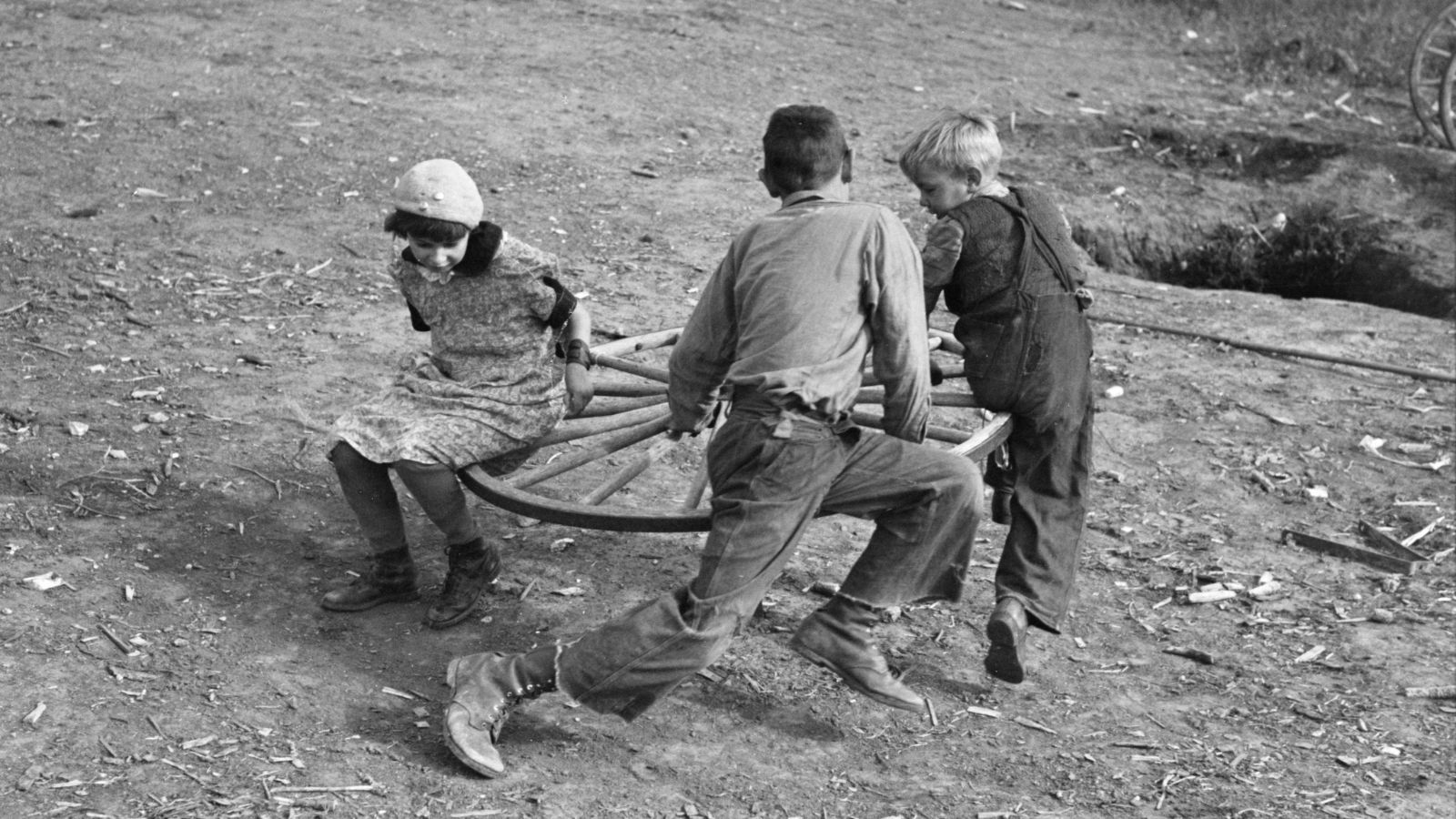
Childhood in the 1960s often involved a level of independence that many parents today would find surprising.
Children commonly played outside for hours without constant supervision. Neighborhoods became playgrounds where kids rode bikes, explored, and created their own games.
Playground equipment was also very different. Metal jungle gyms, tall slides, swings, and spinning structures were common despite safety concerns that would later lead to many changes.
Today’s playgrounds are designed with softer surfaces, improved safety standards, and closer attention to injury prevention.
The freedom children experienced in the 1960s created memorable childhood experiences, but it also came with risks that modern parents often try to reduce.
Workplace Behavior Was Far Different
Office culture in the 1960s reflected social attitudes that have changed significantly.
Many workplaces had fewer protections against discrimination and harassment than they do today. Behaviors that would now lead to serious complaints or investigations were sometimes ignored or treated as normal.
Women and minority workers often faced barriers to advancement, unequal treatment, and limited opportunities in many industries.
The growth of workplace protections, civil rights laws, and awareness campaigns transformed professional environments over the following decades.
Modern workplaces continue to address these issues, but the changes highlight how much expectations around respect and equality have evolved.
Advertising Had Far Fewer Restrictions
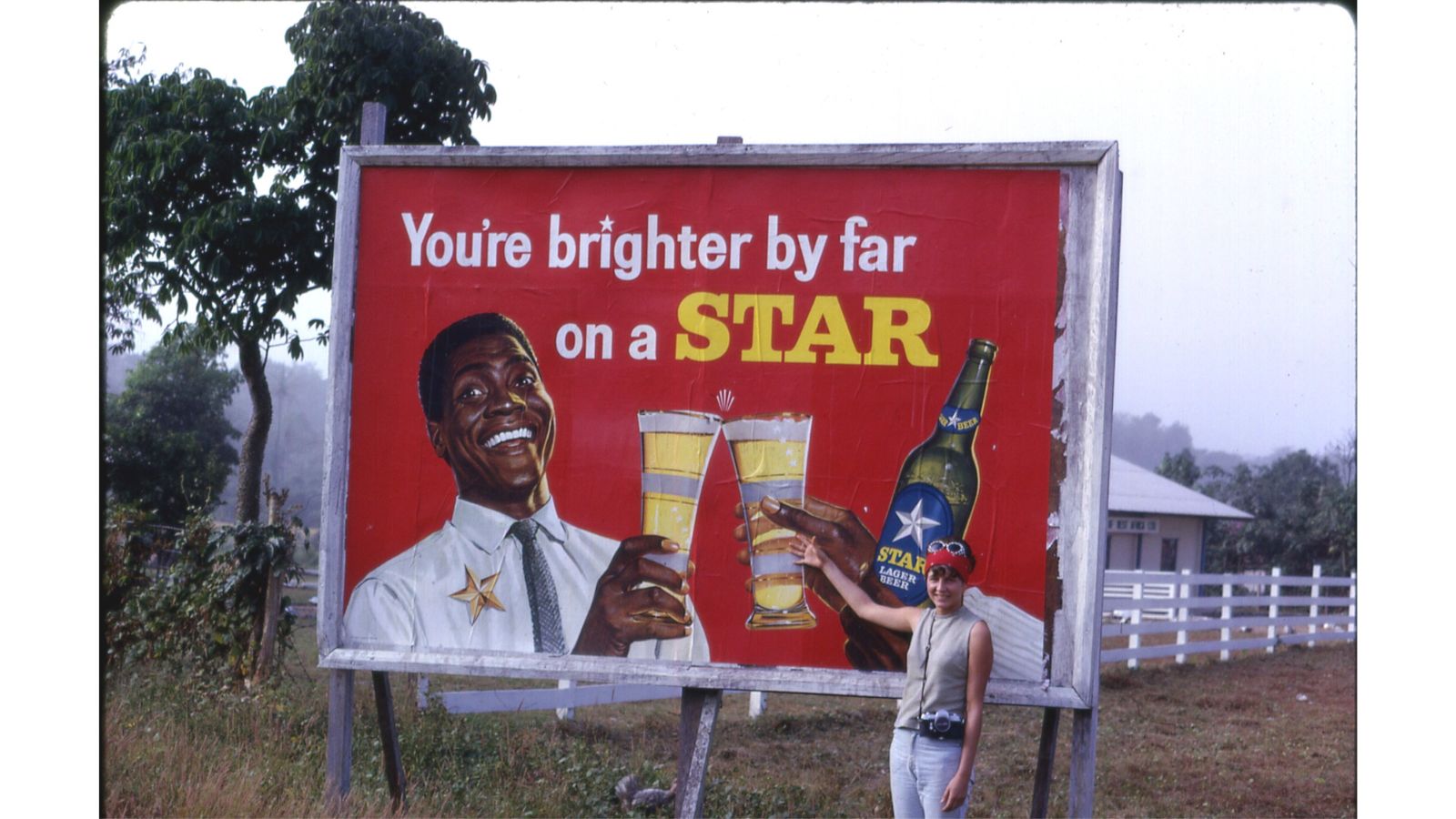
Advertising in the 1960s operated under very different rules compared with modern standards.
Companies promoted cigarettes, alcohol, household products, and even some medical products with fewer warnings and limitations than advertisers face today.
Television commercials and magazine advertisements often relied on traditional stereotypes and idealized images of family life. Some advertisements reflected social attitudes that later generations would consider outdated or inappropriate.
Consumer protection laws and advertising standards gradually became stricter as concerns grew about misleading claims and harmful messaging.
The advertisements of the 1960s provide a clear look at how marketing reflected the values and assumptions of the era.
Fashion Borrowed From Other Cultures Without Today’s Conversations
The 1960s were a creative period for fashion. Bright colors, experimental designs, and international influences shaped clothing trends.
However, some styles borrowed heavily from cultural traditions without much discussion about respect, history, or meaning.
Items inspired by Native American designs, Asian clothing styles, and other cultural symbols were sometimes used mainly as fashion statements.
Today, conversations around cultural appreciation and cultural appropriation have changed how designers and consumers think about using elements from different communities.
Modern fashion often involves more awareness of the importance behind cultural symbols rather than simply focusing on appearance.
Conclusion
The experiences of Baby Boomers during the 1960s reveal a world that feels both familiar and surprisingly different.
Many everyday habits from that decade disappeared because of advances in science, changing social values, stronger regulations, and new ideas about safety and responsibility.
The decade was not simply a time of old-fashioned traditions. It was a period of major transformation that shaped modern America.
Looking back at these differences helps explain how quickly cultural expectations can evolve and how each generation creates a different version of normal life.
If you like what you just read, then subscribe to our newsletter and follow us on social media.


