


This article was originally published on Crafting Your Home. A human contributor also wrote and edited the post
A new Democratic Socialists of America platform has ignited a national debate over the future direction of the United States government, with proposals ranging from expanded social programs to major constitutional changes that could reshape elections, Congress, and America’s role in global affairs.
The Democratic Socialists of America (DSA) has released a policy platform called “Workers Deserve More,” outlining an ambitious vision centered on economic security, expanded public services, and a fundamental restructuring of several government institutions.
The proposal has quickly become a flashpoint in American politics. Supporters argue it addresses long-standing concerns about healthcare costs, housing affordability, wages, and inequality.
Critics argue that some of the organization’s ideas represent a dramatic departure from traditional U.S. political structures.
The debate highlights a growing divide within American politics as progressive movements gain influence while facing strong opposition from conservative leaders.
A platform built around economic transformation
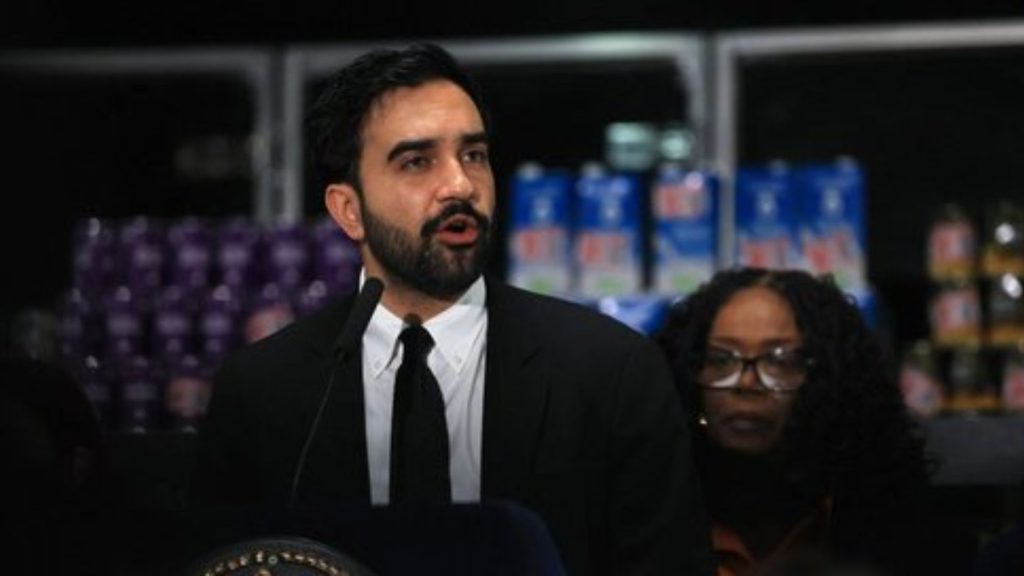
At the center of the DSA’s proposal is a broader vision of what government should provide for working-class Americans. The organization argues that basic needs such as healthcare, housing, education, and financial stability should be treated as fundamental rights rather than services tied primarily to income.
The platform promotes universal healthcare, free early childhood education, affordable housing initiatives, paid family leave, and shorter workweeks. One proposal calls for moving toward a 32-hour workweek while maintaining strong worker protections and improving quality of life.
Supporters of these ideas say rising living costs have created pressure on millions of households. They point to concerns over medical expenses, housing prices, student debt, and stagnant wages as reasons for expanding government support.
However, opponents question the financial cost of such programs and argue that expanding federal involvement could create higher taxes, greater government control, and economic uncertainty.
Constitutional changes become the center of controversy.
The most debated section of the DSA platform focuses on changes to America’s political system. The organization calls for reforms that would require major constitutional amendments, including eliminating the U.S. Senate and Electoral College.
The DSA argues that the current structure gives disproportionate influence to smaller states and limits direct representation based on population. Supporters of the proposal believe a different system could create a government that more closely reflects the national popular vote.
Critics strongly disagree, arguing that the Senate was intentionally designed to balance the interests of states with different populations. They say removing it would erase an important part of the country’s constitutional framework.
The platform also supports expanding the House of Representatives, introducing ranked-choice voting nationwide, and moving toward a multi-party political system rather than the current Democratic-Republican dominance.
These proposals have placed the DSA at the center of a larger national conversation about whether America’s political institutions need modernization or protection.
Growing influence on the Democratic Party’s left wing
Although the DSA is not part of the Democratic Party structure, the organization has gained visibility through several elected officials who have identified with or received support from the group.
Among its most recognized figures are Democratic lawmakers such as Alexandria Ocasio-Cortez and Rashida Tlaib. Other progressive politicians, including Zohran Mamdani, have also been associated with the movement.
The organization has grown beyond a small activist network and now plays a visible role in local and national political discussions. Its membership and influence reflect broader shifts among younger voters and progressive activists seeking changes to economic and social policies.
Recent polling suggests that many Americans are familiar with the term “democratic socialism,” but fewer understand the specific policies associated with the movement. That gap has created space for competing interpretations of what the ideology represents.
Supporters often describe democratic socialism as an expansion of democracy into economic life, while critics frequently compare its proposals to government systems they view as incompatible with American traditions.
Foreign policy proposals create another political divide.
The DSA platform also challenges long-standing U.S. foreign policy approaches. The organization calls for reducing military spending, closing overseas military bases, and ending what it describes as unnecessary foreign intervention.
One of the most controversial recommendations involves reducing the role of the U.S. military globally and redirecting resources toward domestic programs.
The platform also supports major immigration changes, including creating pathways to citizenship for undocumented immigrants and eliminating Immigration and Customs Enforcement (ICE) detention and deportation operations.
Supporters argue these policies would create a more humanitarian approach to immigration and reduce government spending on enforcement.
Critics argue such measures could weaken border security and create challenges for immigration management.
The organization’s positions on international conflicts, including its criticism of U.S. military aid policies, have also generated intense political debate.
The battle over what government should look like
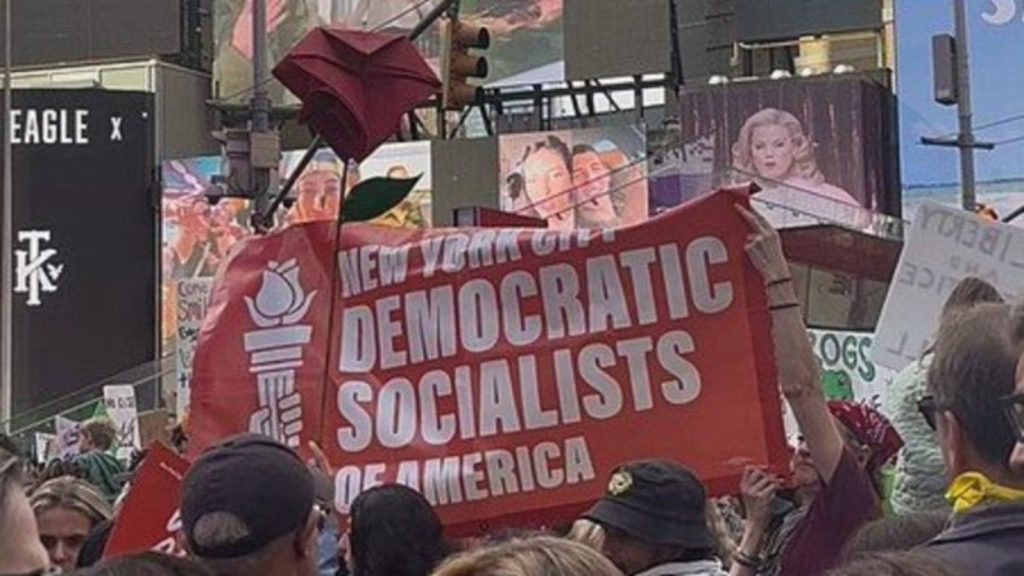
The reaction to the DSA platform reflects a larger struggle over America’s political identity. Conservatives have described the proposals as an attempt to fundamentally transform the country’s institutions, while progressives argue that existing systems have failed many working Americans.
Republican leaders have strongly criticized the platform, with some calling its proposals extreme.
Progressive supporters counter that many ideas included in the document, such as affordable healthcare and paid family leave, are already common policies in other developed nations.
The disagreement is not only about individual policies but about the role of government itself. The DSA vision emphasizes a larger public role in protecting economic security, while opponents argue that individual freedom and limited government should remain central principles.
As debates over affordability, inequality, and political representation continue, the platform has become a symbol of the broader ideological battle shaping America’s future.
The growing attention around the Democratic Socialists of America shows that debates over government reform are no longer limited to policy discussions in Washington. They have become part of a much larger national conversation about what Americans expect from their institutions and how the country should respond to changing economic and social realities.
If you like what you just read, then subscribe to our newsletter and follow us on social media.


