


This article was originally published on Crafting Your Home. A human contributor wrote and edited the post.
Retirement often arrives with the promise of freedom, adventure, and finally having time to explore long-delayed interests. After decades of working, saving, and managing responsibilities, many retirees feel ready to reward themselves with new hobbies, upgraded homes, and equipment designed for their next chapter.
However, some retirement purchases that appear exciting at first can quickly become expensive reminders that enthusiasm does not always match reality. From oversized recreational vehicles and complicated hobby equipment to unnecessary technology and costly subscriptions, many retirees discover that the items they once imagined transforming their lifestyle often end up collecting dust.
Understanding common retirement buying mistakes can help future retirees make smarter decisions, protect their savings, and focus their money on experiences and activities that genuinely improve their quality of life.
Retirement Clothing Purchased for a Lifestyle That Never Happens
Retirement marketing often sells a fantasy: cruises, elegant dinners, tropical vacations, and endless social events. This can lead some retirees to purchase specialty clothing for imagined occasions, including formal cruise outfits, themed vacation clothing, and expensive seasonal wardrobes.
The issue is that many retirees discover their actual lifestyle becomes more casual. Daily routines may involve spending time with family, gardening, walking, volunteering, or relaxing at home. A practical retirement wardrobe usually focuses on comfortable, versatile clothing rather than outfits designed for rare occasions.
Metal Detectors Bought in Search of Hidden Treasure
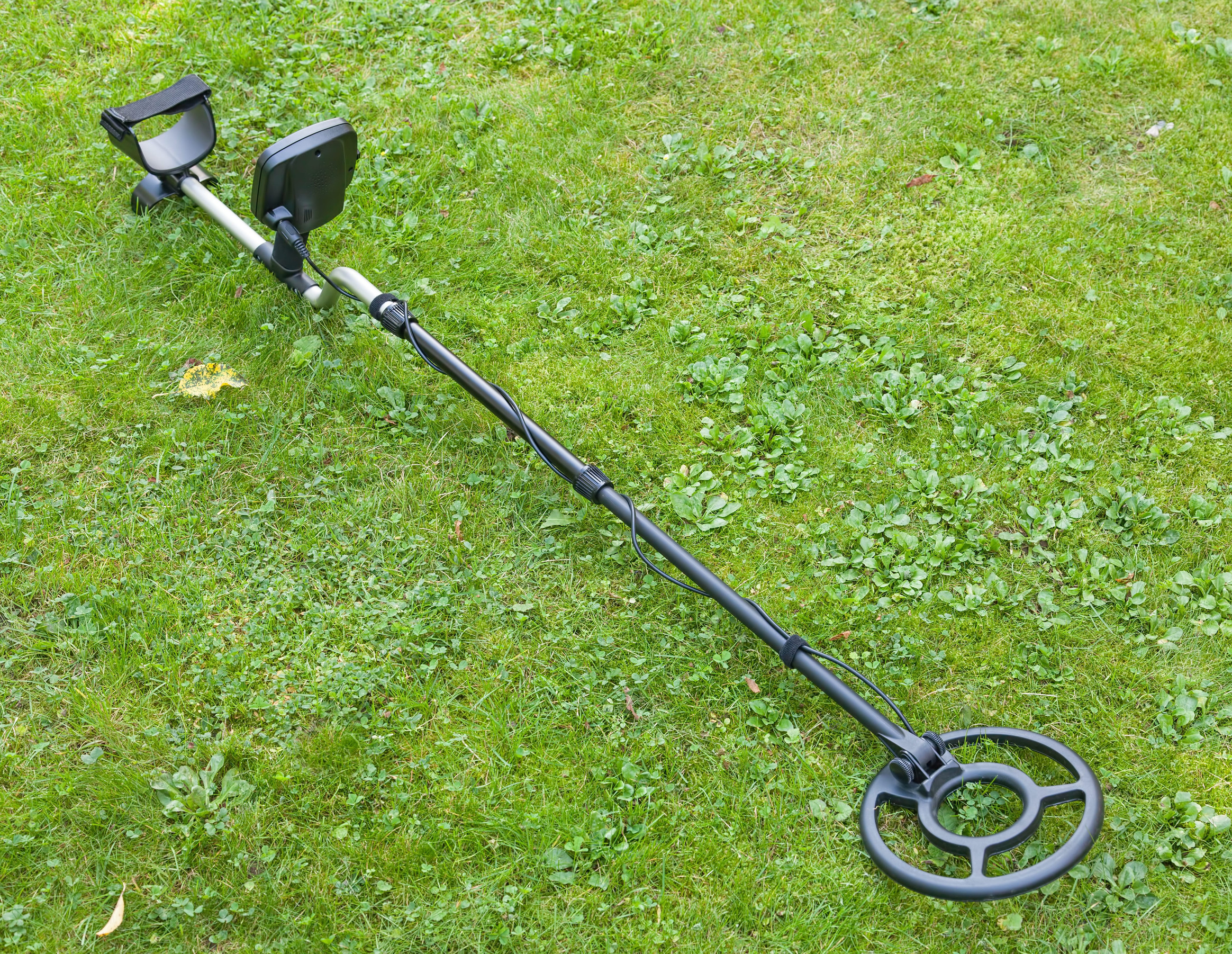
The idea of discovering valuable coins, historic artifacts, or lost treasures can make metal detecting an appealing retirement hobby. High-end metal detectors can cost hundreds or even thousands of dollars and often include advanced features designed for serious enthusiasts.
The reality is that many beginners spend hours finding ordinary objects such as bottle caps, nails, and discarded metal pieces. While the hobby can still be enjoyable, expectations should remain realistic. The experience, outdoor activity, and exploration often provide more value than the possibility of finding something valuable.
High-Tech Photo Scanning Equipment That Creates More Work Than Memories
Retirement often inspires people to organize decades of family photographs. Old albums, slides, and printed pictures can feel like unfinished projects waiting for attention. Many retirees invest in professional scanning services or expensive scanners hoping to preserve every image. The idea sounds simple: digitize the collection, organize the files, and create a family archive.
The reality can involve hundreds or thousands of hours of sorting, cleaning, labeling, and organizing. Some people discover that many photos are unclear, duplicates, or images of places and events that are difficult to identify years later. Digital preservation can be rewarding, but smaller projects are often more realistic. Choosing the most meaningful photographs instead of attempting to scan every image can save both money and time.
Oversized Massage Chairs That Dominate the Living Space
After years of work, many retirees dream about creating a comfortable home environment. Luxury furniture and relaxation equipment often become attractive purchases. Large massage chairs are a common example. These high-end machines can cost thousands of dollars and promise features such as zero-gravity positioning, heat therapy, and automated massage programs.
Although they can provide comfort, many buyers underestimate their size and maintenance needs. These chairs often become permanent pieces of furniture that occupy significant living space while being used less frequently than expected. For many retirees, a comfortable traditional recliner, occasional professional massage appointments, or simple relaxation routines may provide better value.
Large Recreational Vehicles That Become Financial Burdens
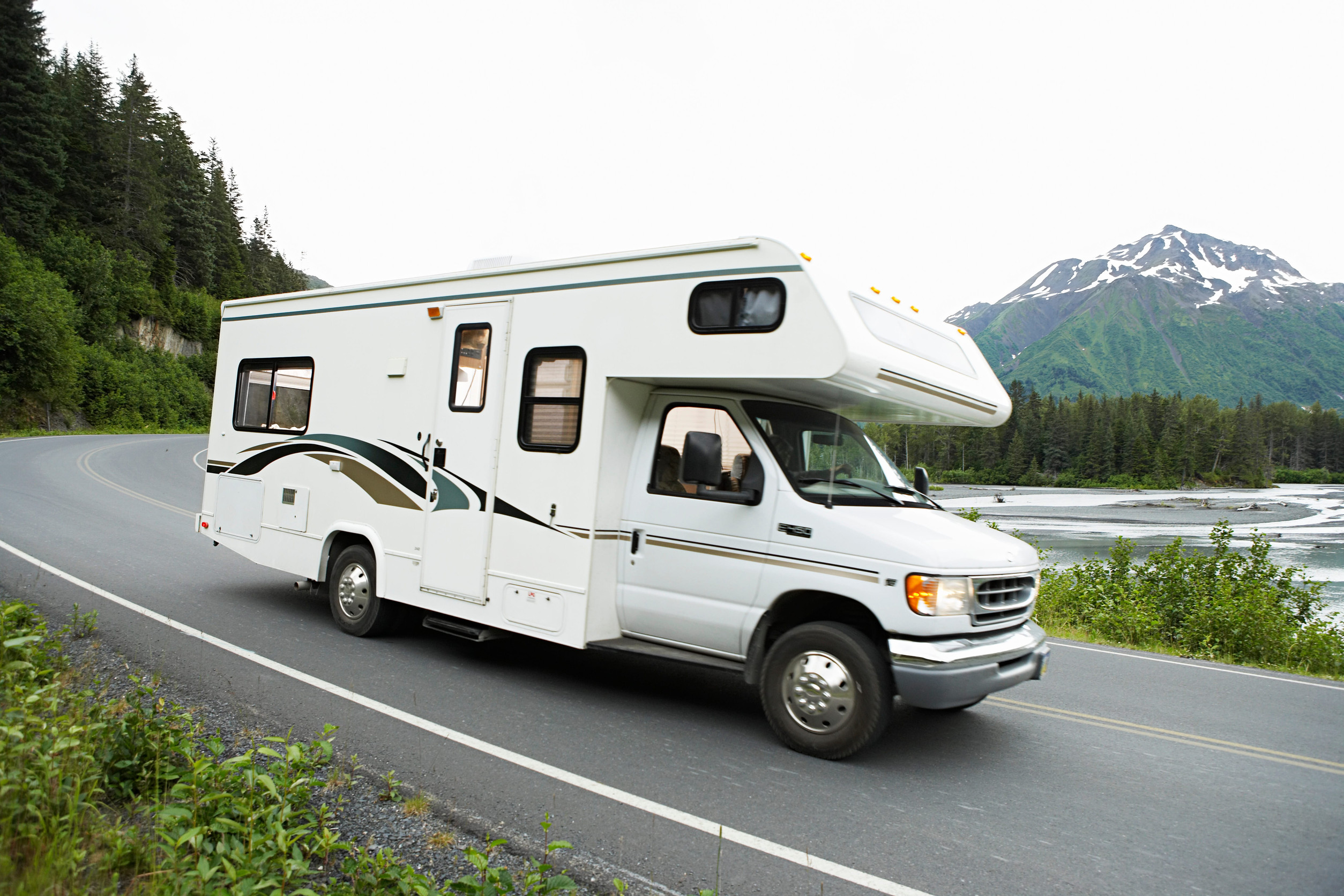
Few retirement dreams are as common as traveling across the country in a recreational vehicle. The idea of waking up beside national parks, exploring new towns, and enjoying complete freedom has enormous appeal. However, owning a large RV comes with significant responsibilities. Fuel costs, insurance, maintenance, storage fees, repairs, and campground limitations can quickly change the experience.
A massive motorhome may also create driving challenges, especially when navigating narrow roads, crowded areas, or unfamiliar locations. Many retirees discover that renting an RV for occasional trips provides the adventure without the long-term financial commitment.
Expensive Genealogy Subscriptions That Become Digital Clutter
Family history research has become one of the most popular retirement hobbies. With more free time available, many retirees become fascinated by tracing ancestors, discovering relatives, and building detailed family trees. The problem begins when curiosity turns into expensive long-term subscriptions. Premium genealogy platforms often offer access to additional records, international databases, and advanced research tools. While these features can be valuable for serious researchers, casual users may find that they rarely use the extra services after the initial excitement fades.
Some retirees eventually accumulate thousands of names, distant relatives, and digital records that family members may never explore. What begins as a meaningful connection to the past can become another monthly expense competing for attention. A better approach is starting with free public records, local libraries, historical societies, and basic subscription plans before committing to premium packages.
Expensive Bird-Watching Equipment That Goes Unused
Bird watching can become a relaxing retirement hobby. Many people enjoy spending time outdoors and observing wildlife. However, beginners sometimes purchase advanced equipment before developing the hobby. Professional spotting scopes, heavy tripods, and specialized cameras can be expensive and difficult to use.
A simple pair of quality binoculars is often enough for most casual bird watchers. Starting small allows retirees to discover whether the hobby truly fits their lifestyle.
Subscription Hobby Boxes That Create Unfinished Projects
Retirement is a perfect time to explore new interests. Subscription boxes for crafts, woodworking, cooking, art, and other hobbies often attract people looking for structured activities. The problem occurs when multiple subscriptions accumulate faster than projects can be completed.
Boxes begin stacking up, supplies fill storage areas, and monthly charges continue even when enthusiasm declines. A better strategy is to choose one hobby at a time and invest in experiences rather than collecting unused materials.
Oversized Kitchen Appliances That Rarely Get Used

Retirement often creates dreams of cooking more elaborate meals. A person may imagine preparing homemade bread, large family dinners, or restaurant-quality recipes. This can lead to purchases of professional-grade kitchen equipment, including large stand mixers, specialty cooking machines, and expensive appliances.
The problem is that many of these devices require storage space, cleaning, and preparation time. After the initial excitement disappears, they often remain unused on countertops or inside cabinets. Smaller, frequently used tools generally provide more satisfaction than large appliances purchased for occasional projects.
Golf Technology That Promises Unrealistic Improvements
Golf becomes a popular retirement activity because it combines exercise, competition, and social interaction. The industry offers countless gadgets promising better performance, including swing analyzers, laser rangefinders, training equipment, and advanced accessories.
While some technology can genuinely help players improve, no device can replace practice, coaching, or physical conditioning. Many retirees discover that expensive gadgets provide temporary excitement but do not dramatically change their game. Investing in lessons, playing regularly, and maintaining fitness may offer better results than collecting equipment.
Emergency Food Supplies Purchased from Fear
Retirement can sometimes increase awareness about emergencies, leading some people to purchase large quantities of long-term survival food. Emergency preparedness has value, but extreme purchases can create unnecessary expenses. Large food storage kits may take up valuable space and contain products that households may never actually use.
A practical emergency plan usually focuses on reasonable supplies, water storage, medications, and essential items rather than years of specialized packaged meals.
Elaborate Model-Building Projects That Never Get Completed
Detailed hobbies such as model trains attract retirees who enjoy creativity, engineering, and craftsmanship. Large-scale model train setups can require significant investments in equipment, materials, electronics, and dedicated space.
The challenge is that these projects often become much larger than expected. What begins as a small hobby can eventually occupy an entire room and require years of work. Many retirees find that smaller creative projects provide enjoyment without becoming overwhelming commitments.
Key Takeaways

The best retirement spending decisions usually come from understanding personal habits rather than following advertising promises.
Before making a major purchase, retirees can ask:
- Will this item be used regularly?
- Does it support an activity already enjoyed?
- Can the experience be tested before buying?
- Will maintenance costs create stress?
- Does this purchase improve daily life?
Retirement is not about collecting possessions. It is about creating a lifestyle that feels meaningful, comfortable, and sustainable.
The most valuable investments are often experiences, relationships, health, and activities that continue bringing satisfaction long after the excitement of a new purchase disappears.
If you like what you just read, then subscribe to our newsletter and follow us on social media.


