


This article was originally published on Crafting Your Home. A human contributor also wrote and edited the post.
Crime rates across the United States have shifted significantly in recent years, with many cities reporting declines in violent offenses and other major crime categories.
However, some urban areas continue to face serious public safety challenges, including higher rates of violent crime, property crime, and ongoing struggles with law enforcement resources and community safety.
New crime data reveals that the gap between cities with lower crime rates and those facing persistent challenges remains significant in 2026.
These differences are influenced by many factors, including population size, economic conditions, policing strategies, social issues, and reporting methods.
The cities featured on this list are based on available crime statistics, including FBI data, local law enforcement reports, and comparisons of violent and overall crime rates per 100,000 residents.
While rankings provide a broader picture, crime levels can vary widely within individual cities, and one neighborhood may have a very different experience from another.
Understanding these trends helps highlight where public safety concerns remain most urgent and why local leaders continue searching for long-term solutions.
Memphis, Tennessee
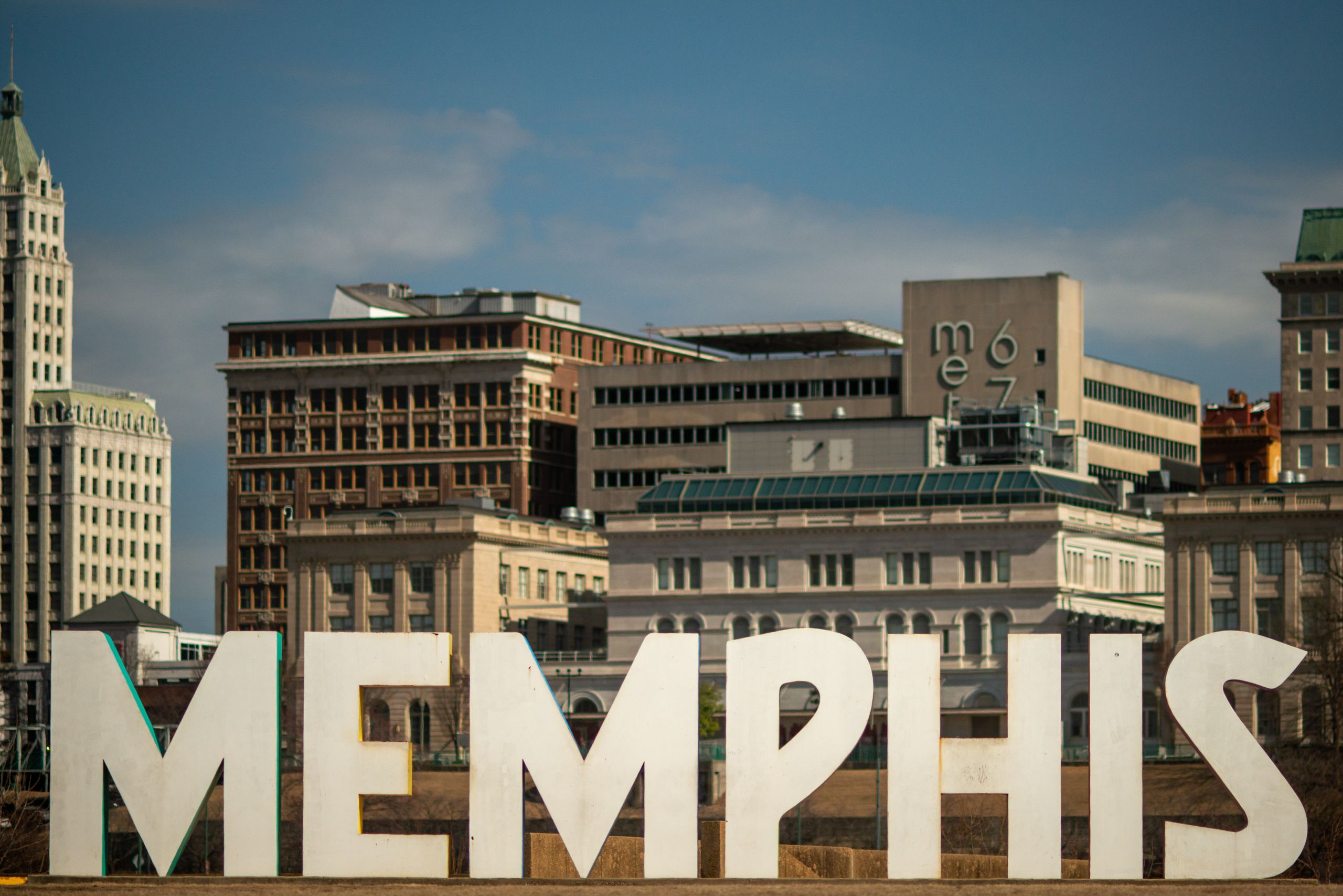
Memphis remains one of the cities most frequently identified as having some of the highest crime rates in the country, especially for violent crime.
Recent crime comparisons place Memphis near the top of national danger rankings, with violent crime rates far above the national average.
Data analysis using FBI figures shows the city recording one of the highest violent crime rates among major U.S. cities, with problems involving aggravated assaults, robberies, and homicides.
The city has invested in additional policing strategies, community programs, and violence prevention efforts, but officials continue to face challenges connected to repeat offenders, illegal firearms, and concentrated areas of violent activity.
Memphis also illustrates a broader reality in crime reporting: a city can experience serious public safety problems while many neighborhoods remain stable and safe for residents, businesses, and visitors.
Detroit, Michigan
Detroit has made progress from its worst crime years, but it remains one of the major U.S. cities where violent crime rates continue to draw national attention.
Crime rankings based on FBI data have consistently placed Detroit among cities with elevated rates of violent offenses, including homicide, robbery, and aggravated assault.
One analysis ranked Detroit among the highest major cities for total crime, with rates significantly above the national average.
The city has experienced economic changes, population shifts, and neighborhood revitalization projects, but some communities continue to deal with poverty, vacant properties, and limited resources that can create conditions where crime takes hold.
Detroit’s leaders have focused heavily on technology upgrades, targeted policing, and neighborhood investment as part of a long-term effort to improve safety.
Baltimore, Maryland
Baltimore continues to face one of the most difficult public safety battles among America’s large cities, particularly because of its homicide rate.
For years, Baltimore has ranked among cities with some of the highest violent crime rates in the nation. Recent comparisons show the city remains near the top of dangerous city lists, driven largely by serious violent offenses.
Although Baltimore has recorded periods of declining violence, officials continue to confront challenges involving gun violence, illegal weapons, and neighborhood-level crime patterns.
The city has expanded violence prevention programs and police reforms, but residents remain concerned about whether improvements can be sustained over time.
St. Louis, Missouri
St. Louis remains one of the cities most associated with high violent crime rates, especially homicide. Crime researchers have repeatedly highlighted St. Louis because of its unusually high murder rate compared with many other American cities.
While the city’s population is smaller than some major metropolitan areas, its violent crime rate per resident has remained a major concern.
Officials have worked on community violence intervention programs, police recruitment, and neighborhood improvements. However, issues involving gun violence and repeat criminal activity continue to challenge efforts to create long-term safety.
The city’s experience shows why experts often examine crime rates per capita rather than only total crime numbers.
Oakland, California
Oakland remains one of California’s cities facing serious concerns over crime, particularly robbery, theft, and violent offenses.
Crime data comparisons have placed Oakland among cities with some of the highest violent crime rates in the country. One ranking based on FBI data placed Oakland near the top nationally for violent crime rates.
The city has faced years of debate over policing levels, staffing shortages, public safety funding, and how to balance enforcement with prevention.
While some areas of Oakland have experienced economic growth and redevelopment, other neighborhoods continue to report concerns about street crime and safety.
Little Rock, Arkansas
Little Rock often receives less national attention than larger cities, but its crime statistics have placed it among America’s most challenging cities for public safety.
Crime rankings based on violent crime rates have shown Little Rock reporting levels significantly higher than the national average. The city has dealt with concerns involving assaults, gun violence, and property crime.
Local officials have emphasized community policing, youth programs, and efforts to address underlying economic issues connected to crime. The city’s experience highlights that crime problems are not limited to America’s largest urban centers.
Philadelphia, Pennsylvania
Philadelphia’s size makes crime reduction a complicated challenge, with millions of residents and many different neighborhoods experiencing different safety realities.
Crime comparisons have placed Philadelphia among large U.S. cities with elevated total crime rates. Recent rankings showed the city recording higher crime levels than many other major metropolitan areas.
Philadelphia has seen periods of improvement, especially in some violent crime categories, but officials continue working to reduce gun violence, robberies, and repeat offenses. The city’s leaders have expanded prevention programs while also focusing on improving police response and community trust.
New Orleans, Louisiana
New Orleans continues to attract attention because of its high violent crime rates and ongoing struggle with homicide.
The city has historically ranked among the highest in the nation for violent crime, with homicide rates often exceeding those of much larger cities. Crime analysts have identified New Orleans as a place where violent crime remains a significant challenge.
Officials have increased efforts to strengthen policing, improve emergency response, and invest in communities affected by violence. However, challenges involving illegal firearms, economic inequality, and repeat criminal activity continue to shape the city’s public safety conversation.
Why Crime Rankings Tell Only Part of the Story
Crime statistics reveal important warning signs, but they do not define every neighborhood, business district, or resident experience. The FBI’s crime reporting system has expanded in recent years, providing more detailed information from thousands of law enforcement agencies across the country.
The latest early crime data release included information from more than 17,000 agencies covering about 96% of the U.S. population.
Experts caution that crime rankings should be viewed alongside factors such as population size, economic conditions, policing strategies, and neighborhood differences.
For many cities on this list, the central question is not whether crime can be reduced, but whether communities can maintain progress long enough for residents to feel a lasting change.
As America moves through 2026, the crime debate remains focused on one challenge: turning improving national trends into safer streets in the places that need it most.
If you like what you just read, then subscribe to our newsletter and follow us on social media.


