This article was originally published on Crafting Your Home. A human contributor also wrote and edited the post.
Virginia Beach ranked first among 83 major cities. Memphis ranked last. Crime rates, traffic safety, and disaster risks are changing where Americans feel safe.
VIRGINIA BEACH, Va. A city known for its oceanfront beaches, military presence, and family tourism has earned a new distinction: Virginia Beach has been ranked the safest large city in America in a 2026 national study examining crime, traffic deaths, and disaster risks across the country’s biggest urban areas.
The ranking highlights that safety involves more than just crime rates, also considering traffic deaths and disaster risks. The results show a sharp contrast between cities. Memphis, Tennessee, ranked last, showing a wide gap in safety challenges.
Virginia Beach Takes the Top Spot With Low Crime and Lower Risk
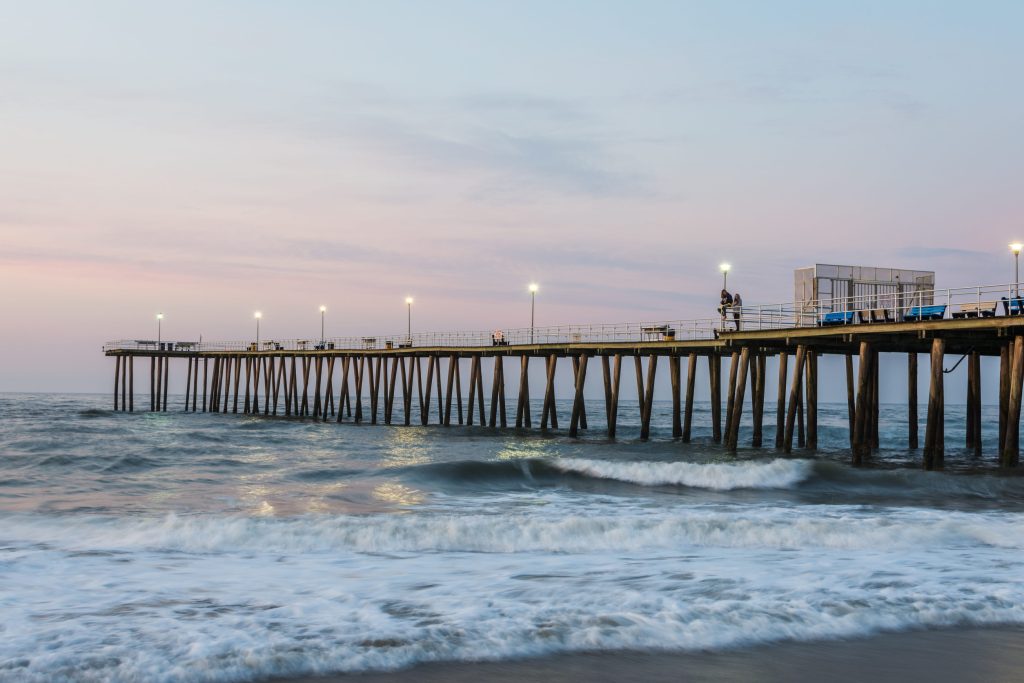
SmartAsset’s 2026 study analyzed 83 U.S. cities with at least 250,000 people, ranking them by violent crime, property crime, traffic fatalities, and disaster risk. Virginia Beach earned the highest overall ranking after performing strongly across several categories.
The city recorded a violent crime rate of about 0.9 incidents per 1,000 residents and a property crime rate of approximately 16.4 per 1,000 residents. Those numbers placed Virginia Beach far below many other major cities included in the study.
Researchers also considered traffic fatality rates and FEMA disaster risk assessments, giving the coastal Virginia community another advantage. The city’s position is notable because large coastal communities often face unique safety concerns.
Virginia Beach must manage hurricane risks, flooding concerns, and the challenges that come with being a major tourist destination. Despite those factors, the study found the city’s overall risk profile remained lower than other major U.S. cities.
The Ranking Shows Safety Is More Than Just Crime Numbers
The study’s biggest takeaway may be that safety is becoming a broader measurement than traditional crime statistics alone. For years, Americans have often judged cities mainly by crime headlines. However, the SmartAsset ranking combines several factors that affect daily life, including whether residents face dangerous roads or live in areas exposed to major disasters.
Traffic safety played a significant role in separating cities near the top and bottom of the ranking. A city can have moderate crime rates but still face serious safety concerns if traffic deaths are high.
Disaster exposure also changed the rankings. Some California cities, including Irvine and Santa Ana, performed well in crime categories but dropped because of high disaster risk linked to earthquakes and wildfires. The findings highlight an important reality: safety depends on multiple factors that influence residents differently depending on where they live.
Memphis Falls to Last Place as Safety Challenges Continue
At the opposite end of the ranking, Memphis, Tennessee, placed 83rd among the cities studied.
The city recorded a violent crime rate of approximately 25 incidents per 1,000 residents, significantly higher than Virginia Beach’s rate. Its property crime rate reached about 69 incidents per 1,000 residents, while traffic fatalities also ranked among the highest measured.
The ranking does not represent every neighborhood or resident experience in Memphis. Like many major American cities, Memphis contains communities with different levels of safety, investment, and resources. However, the study points to ongoing challenges facing city leaders, including violent crime prevention, public safety resources, and infrastructure improvements.
The ranking arrives as cities across the country continue debating how to balance policing, community programs, economic development, and investments designed to improve quality of life.
Texas Creates One of the Most Surprising Safety Stories
One of the most unexpected findings from the study was Texas’ appearance on both sides of the ranking. Plano and Laredo ranked among the safest large cities in America, while Houston appeared among the least safe cities included in the study.
The contrast demonstrates how statewide trends can hide major differences between individual communities. Population growth, economic conditions, infrastructure, local policies, and neighborhood characteristics all influence safety outcomes.
Plano, a growing Dallas suburb, has long attracted families and businesses because of its strong economy and suburban environment. Houston, meanwhile, faces the challenges of being one of the largest and most diverse cities in the country. The comparison shows why city-by-city analysis often provides a clearer picture than state-level comparisons.
Full List Reveals America’s Safety Winners and Struggling Cities
The study’s top 10 safest large cities were:
- Virginia Beach, Virginia
- Plano, Texas
- Madison, Wisconsin
- Honolulu, Hawaii
- Chesapeake, Virginia
- Laredo, Texas
- Lexington, Kentucky
- Boston, Massachusetts
- Lincoln, Nebraska
- Pittsburgh, Pennsylvania
The 10 cities ranked lowest were:
- Memphis, Tennessee
- Houston, Texas
- St. Louis, Missouri
- San Francisco, California
- Kansas City, Missouri
- Albuquerque, New Mexico
- Oakland, California
- Nashville, Tennessee
- Philadelphia, Pennsylvania
- Detroit, Michigan
The rankings show that safety outcomes vary widely among major American cities, even among places with similar population sizes.
Why Residents and Movers Are Paying Attention
Safety rankings often attract attention because they influence real decisions. Families choosing where to raise children, workers considering relocation, and retirees looking for a new community frequently examine crime and risk data before moving.
Virginia Beach’s ranking could strengthen its reputation as a desirable place for people seeking a balance between urban amenities and a lower-risk environment. The city’s economy also benefits from major employers connected to the military, tourism, healthcare, and technology sectors. A strong safety reputation can become another factor influencing businesses and residents deciding where to invest.
However, experts often caution that citywide rankings should not replace personal research. Conditions can change dramatically from one neighborhood to another, even within the same city.
The Data Behind the Study
SmartAsset’s analysis relied on crime data from the FBI’s Crime in the United States reporting, traffic fatality information from federal health data sources, and disaster risk measurements from FEMA’s National Risk Index. The researchers combined those measurements into a single safety score designed to compare large cities nationwide.
Because the study uses multiple data sources, some limitations remain. Crime statistics depend on reporting practices, while disaster and traffic measurements may rely on county-level information rather than exact city boundaries. Still, the ranking provides one of the broadest snapshots of how America’s largest cities compare across multiple safety concerns.
What Virginia Beach’s Win Means Beyond the Ranking
Virginia Beach’s first-place finish represents more than a headline for a coastal tourist destination. It reflects a larger shift in how Americans think about safety. A city’s security is no longer measured only by crime reports. Residents are increasingly considering road safety, disaster preparedness, emergency response, and overall community stability.
The 2026 ranking offers a clear message: the safest cities are often those that manage multiple risks at the same time. Virginia Beach’s achievement highlights how investment, planning, and community conditions can combine to create a safer environment.
Meanwhile, the differences between cities at the top and bottom of the list show that public safety remains one of America’s most important local challenges.
If you like what you just read, then subscribe to our newsletter and follow us on social media.