



This article was originally published on Crafting Your Home. A human contributor also wrote and edited the post.
Tampa’s Small Businesses Are Getting a New Employee That Never Takes a Lunch Break: AI Moves Behind the Front Desk
TAMPA, Fla. The first call comes at 7:42 p.m., long after the receptionist has gone home. A patient wants to know whether a dental office accepts their insurance. Another customer wants to reschedule an appointment. A homeowner needs to know if a plumber can come out the next morning.
For years, those questions waited until someone returned to work.
Now, across Tampa Bay, more small business owners are turning to artificial intelligence tools that can answer routine questions, organize appointments, and keep customer conversations moving around the clock.
The change is not happening with flashy robots walking through stores or replacing entire teams. It is happening quietly, through software sitting behind a computer screen, answering the everyday questions that once consumed hours of human time.
The AI Shift Is Reaching Main Street, Not Just Silicon Valley
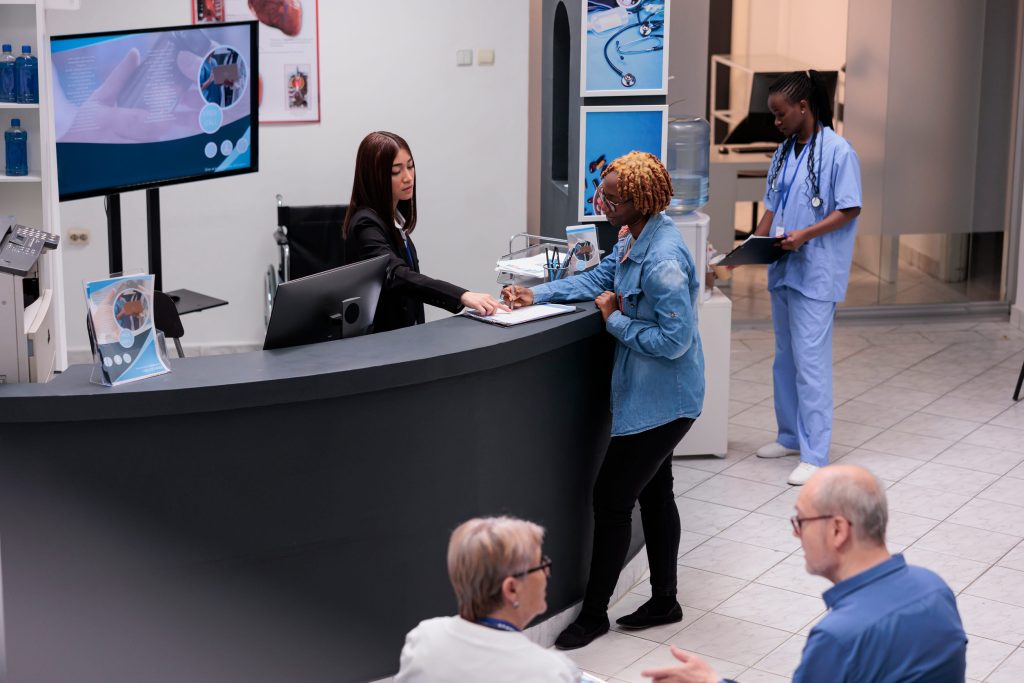
Artificial intelligence was once viewed as something reserved for large technology companies with massive budgets. That perception is changing as smaller businesses discover affordable tools designed for everyday operations.
National surveys show small business owners are increasingly experimenting with AI for tasks such as marketing, customer communication, scheduling, bookkeeping assistance, and administrative work. Many owners say the biggest attraction is not replacing employees, but reducing the repetitive tasks that keep workers away from more important responsibilities.
For a small dental practice, that could mean fewer interruptions during patient appointments. For a local contractor, it could mean automatically responding to quote requests while crews are working on job sites.
For a neighborhood retailer, it could mean answering common questions outside normal business hours. The technology is becoming less about replacing people and more about extending what small teams can accomplish.
Tampa’s Small Businesses Face a Problem AI Happens to Solve
The reason AI is gaining attention among small businesses is simple: owners are often stretched thin.
Unlike large corporations, many local businesses operate with limited staff. A handful of employees may handle sales, customer service, scheduling, billing, and daily operations at the same time.
In Tampa Bay, where thousands of small businesses compete in industries ranging from healthcare and home services to restaurants and retail, every lost hour can matter. A business owner who spends several hours each week answering the same customer questions may see AI as a practical assistant rather than a futuristic experiment.
For dental offices, one of the clearest uses is customer communication. Appointment reminders, basic scheduling questions, and general information requests are often handled through automated systems while employees focus on patients who need personal attention.
The same concept applies across other industries. A plumbing company can use automated responses to collect customer details before sending a technician. A salon can manage appointment requests. A small retailer can provide product information after closing time.
The technology works best when it handles predictable tasks and leaves complicated decisions to people.
The Biggest Question: Will AI Replace Workers or Help Them?
The arrival of AI has created understandable concerns among employees and business owners alike.
Whenever automation enters the workplace, one question follows quickly: what happens to the people who used to perform those tasks?
Technology experts say the answer depends heavily on how businesses use the tools. A front-desk employee who spends much of the day answering repetitive questions could potentially spend more time helping customers face-to-face, solving problems, or managing more complex requests.
But critics warn that businesses must be careful not to remove human support entirely. A chatbot may answer a basic question quickly, but it cannot always understand frustration, handle sensitive situations, or replace personal relationships built over years. For local businesses, that human connection remains one of their biggest advantages over large companies.
Trust and Accuracy Remain the Biggest Challenges
Despite the excitement around AI, adoption has not come without concerns. Many small business owners worry about data security, incorrect answers, and losing control over customer interactions. A mistake made by an automated system can damage trust, especially in industries involving healthcare, finances, or personal services.
That is why many businesses are taking a cautious approach. Instead of handing over every customer interaction to AI, owners are often starting with limited tasks. They may use technology to answer frequently asked questions while keeping employees involved in decisions that require judgment.
The businesses seeing the most success are often those treating AI as a tool rather than a replacement for human expertise.
Why Tampa Could Become a Testing Ground for the Next Small Business Era
Tampa’s growing economy makes it a natural place for small businesses to experiment with new technology. The region has experienced rapid population growth, an expanding healthcare sector, and a large community of independent businesses competing for customers.
For these companies, AI offers something valuable: the ability to operate with the efficiency of a larger organization without hiring a large staff. A small dental office with an automated scheduling system can respond faster.
A local service company can respond to leads while employees are working. A family-owned business can stay competitive against larger rivals. That does not mean every business will adopt AI immediately. Some owners will prefer traditional methods, while others will experiment slowly. But the direction is clear: automation is moving closer to everyday business operations.
The Bottom Line
The biggest AI story in Tampa is not about machines replacing people. It is about small businesses searching for ways to survive, compete, and serve customers in an increasingly demanding economy.
The new “employee” sitting behind the front desk may not have a name, a desk, or a lunch break.
But for many Tampa businesses, artificial intelligence is becoming another tool in the fight to save time and keep customers satisfied. The technology is still evolving, and the long-term effects remain uncertain. But one thing is already happening: the future of small business is becoming more automated, one customer question at a time.
If you like what you just read, then subscribe to our newsletter and follow us on social media.


