

This article was originally published on Crafting Your Home. A human contributor also wrote and edited the post.
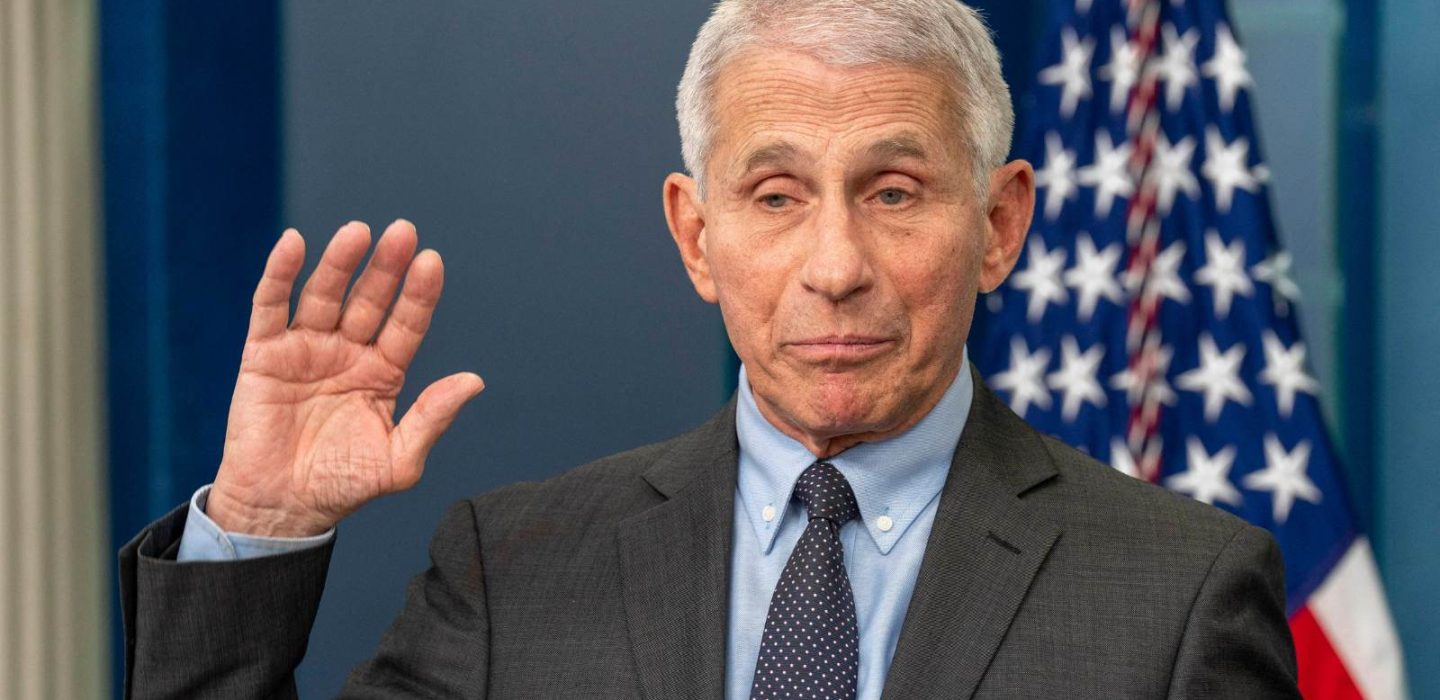
Dr. Anthony Fauci returned to Capitol Hill, but the review of the nation’s COVID-19 response quickly became a constitutional standoff. The former health official invoked the Fifth Amendment and declined to answer senators. His decision turned the hearing into a fight over accountability and legal risk.
The confrontation placed Fauci opposite Republican Sen. Rand Paul after years of clashes. Paul sought answers about Fauci’s journals, research funding and the virus’s origins. Fauci argued that the proceeding was meant to expose him to prosecution, not uncover new facts.
Fauci Says the Hearing Was Designed to Trap Him

Fauci appeared before the Senate Homeland Security and Governmental Affairs Committee after Paul, its chairman, subpoenaed him. In his opening statement, the former federal health official said he was following his lawyers’ advice by invoking his constitutional protection against self-incrimination. He described the decision as painful because of his long record of cooperating with lawmakers.
The former director of the National Institute of Allergy and Infectious Diseases said he had testified or briefed congressional committees more than 200 times during his 38 years leading the agency. He argued that Wednesday’s hearing was different because Paul had repeatedly called for his prosecution and publicly discussed sending him “behind bars.” Fauci said those statements convinced him that answering questions could create fresh legal danger.
Fauci did not attempt to answer selected questions while avoiding others. He maintained the same position as senators raised issues involving pandemic policy, federal research grants and his communications during the crisis. The result was a hearing in which lawmakers presented accusations and competing interpretations without receiving substantive responses from the only witness.
Private Journals Become the Central Battleground
Paul focused much of the session on personal journal entries Fauci kept between December 2019 and December 2022. More than 1,000 pages were released shortly before the hearing, offering a detailed record of Fauci’s observations during the pandemic. Paul has argued that some passages conflict with Fauci’s public statements and reveal a different version of important events.
Fauci accused Paul of releasing an unredacted private diary to embarrass and intimidate him. The material was taken down and later reposted with redactions before the hearing. The journals include notes about early uncertainty surrounding the virus, rising case numbers and Fauci’s sudden emergence as a nationally recognized public figure.
Republican Sen. Ron Johnson focused on an entry concerning a March 2020 reopening plan sent to governors by then-President Donald Trump. Johnson asked whether Fauci knew about the plan despite recording that it had not been shown to him. Fauci again declined to respond, leaving the senator’s allegation unanswered rather than resolved.
Fauci’s Attorney Is Escorted From the Room
The tension intensified when Fauci’s attorney, David Schertler, tried to speak after Paul completed a round of questioning. Paul said Schertler had not been recognized and was not invited to provide testimony. He warned that continued interruptions would lead to the lawyer’s removal from the hearing room.
Schertler remained beside Fauci and continued attempting to respond, prompting Paul to call for security. Capitol Police then escorted the attorney from the room while Fauci stayed at the witness table. The episode underscored how quickly the proceeding had shifted from an examination of policy into a bitter fight over procedure and control.
Republican senators continued asking about Fauci’s journals, the federal pandemic response and the possibility that COVID-19 emerged from a laboratory. Sen. James Lankford raised the laboratory origin theory, while other members returned to research involving bat coronaviruses and work conducted with partners in China. Fauci invoked the Fifth Amendment rather than address those questions.
The confrontation also sharpened the dispute over federally supported research involving EcoHealth Alliance and scientists at the Wuhan Institute of Virology. Republicans have accused Fauci of allegedly misleading Congress about whether the work qualified as gain-of-function research. Fauci has previously rejected that accusation and argued that the viruses studied through those grants could not have produced SARS-CoV-2.
Partisan Divisions Deepen as Answers Remain Elusive

Democrats defended Fauci’s constitutional right to remain silent and accused Republicans of staging a political fishing expedition. Ranking member Gary Peters said the hearing risked making one official the scapegoat for decisions involving hundreds of people across the Trump and Biden administrations. He warned that attacks on career health officials could discourage qualified experts from serving during future emergencies.
Sen. Richard Blumenthal argued that Republicans were trying to recast Fauci as the villain of one of the country’s darkest periods. He connected the hearing to a wider campaign against scientific institutions and pointed to threats Fauci has faced since becoming the public face of the pandemic response. Democratic members used much of their allotted time to thank Fauci for his decades of government service.
Republicans framed the hearing as a long-delayed effort to obtain accountability for decisions that affected nearly every American household. Their questions returned to school closures, masking disputes, virus research and whether officials presented uncertain scientific judgments with too much confidence. For them, Fauci’s refusal to answer added urgency to concerns that have remained unresolved since the emergency phase of the pandemic ended.
Paul said the committee would move toward a vote on whether to hold Fauci in contempt for refusing to answer. Any further action would add another legal and political battle to a dispute already shaped by a presidential pardon, congressional investigations and years of public accusations. Fauci’s lawyers maintain that the hearing was structured to create legal jeopardy rather than establish facts.
The scientific debate over the pandemic’s origin also remains unsettled, although many researchers continue to view animal-to-human transmission as the explanation best supported by available evidence. U.S. agencies have examined both a natural spillover and a possible laboratory-related incident without producing a single government-wide conclusion. Wednesday’s hearing did not present evidence proving that Fauci caused, concealed, or knowingly misrepresented the origin of the virus.
The session ended without the answers Republican senators demanded and without any retreat from Fauci’s legal position. Instead, it showed how deeply the pandemic still divides Washington more than six years after the first U.S. cases. For Americans seeking a clear account of what happened, the hearing delivered confrontation, constitutional silence and another round of unanswered questions.
If you like what you just read, then subscribe to our newsletter and follow us on social media.


