

This article was originally published on Crafting Your Home. A human contributor also wrote and edited the post.
Resentment rarely storms into a marriage with a dramatic announcement. It usually develops quietly through repeated disappointments, unresolved arguments, and moments when one partner feels ignored or unappreciated. A husband may continue smiling, paying bills, handling responsibilities, and saying everything is fine while frustration slowly builds beneath the surface.
That does not mean the wife deserves all the blame when a marriage becomes tense. Both partners influence the emotional health of the relationship. Still, certain habits can make a husband feel dismissed, controlled, embarrassed, or emotionally abandoned. Recognizing these behaviors early can help couples address problems before resentment replaces affection.
Constantly criticizing everything he does

Constructive feedback can improve a relationship, but constant criticism slowly damages it. When every decision, chore, purchase, or parenting choice becomes an opportunity to point out what he did wrong, a husband may begin feeling that nothing he does will ever be enough.
Eventually, he may stop trying because effort no longer feels rewarding. He might withdraw from household responsibilities, avoid conversations, or become defensive over small issues. Appreciation does not require pretending everything is perfect, but criticism should not become the primary language of the marriage.
Ignoring his efforts
Many husbands express love through actions rather than speeches. They may work long hours, repair things, help with children, manage errands, or quietly solve problems. When those efforts go unnoticed, a husband may feel taken for granted.
Recognition does not need to involve dramatic praise. A sincere thank-you can reassure him that his contribution matters. When appreciation disappears, but complaints remain constant, he may begin wondering why he continues making sacrifices that nobody seems to notice.
Comparing him to other men
Comparisons can make a husband feel as though he is competing for his wife’s approval. Statements about another man’s salary, appearance, parenting skills, romantic gestures, or professional success may sound harmless, but repeated comparisons can attack his confidence.
The problem becomes worse when the comparison involves an ex-partner, a friend’s husband, or someone he already feels insecure around. A healthier approach focuses on the specific need that is not being met. Asking for more quality time is far more productive than explaining how another woman’s husband plans better dates.
Dismissing his emotions
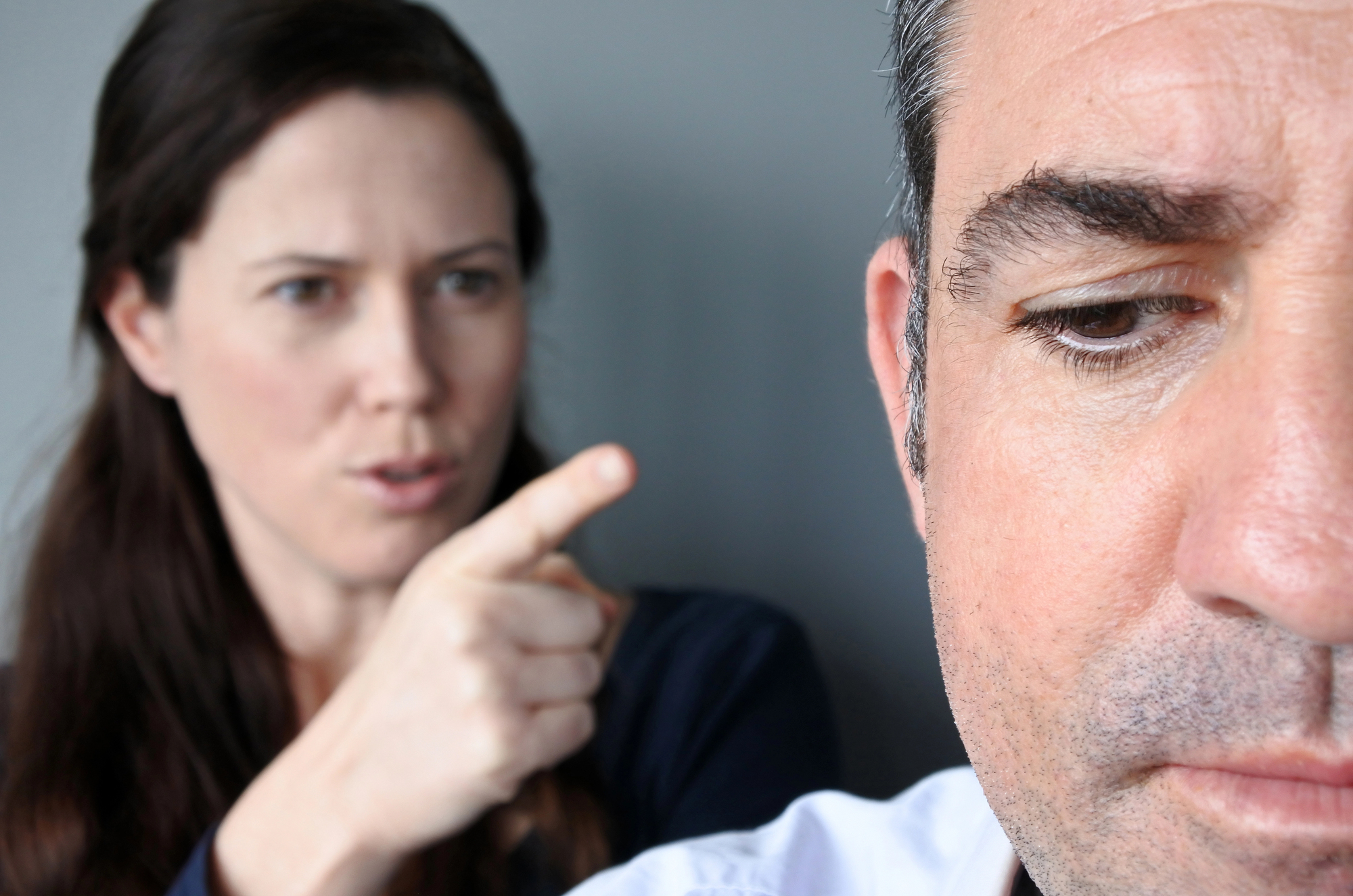
Men do not always express sadness, fear, insecurity, or disappointment openly. When a husband finally shares something personal, laughing at him, interrupting him, or telling him to “get over it” may teach him that emotional honesty is unsafe.
After enough dismissive reactions, he may stop opening up entirely. His silence can then be mistaken for coldness or lack of communication, even though it developed as a form of self-protection. Listening without immediately correcting, judging, or minimizing his feelings can strengthen emotional trust.
Using affection as a weapon
Affection should reflect emotional connection, not become a bargaining tool. Consistently withdrawing warmth, touch, kindness, or intimacy to punish a husband can leave him feeling manipulated rather than loved.
Every partner has the right to establish physical and emotional boundaries. However, deliberately withholding affection until he apologizes, spends money, completes a task, or agrees with an opinion creates an unhealthy power struggle. Resentment grows when affection feels conditional, and every disagreement threatens the closeness of the marriage.
Correcting or embarrassing him in public
Disagreements happen, but humiliating a spouse in front of relatives, friends, coworkers, or children can leave a lasting wound. Jokes about his income, intelligence, body, mistakes, or private habits may get a laugh from others while quietly damaging his dignity.
A husband may start avoiding social gatherings if he expects to become the punchline. He may also become angry when private issues are shared without his consent. Sensitive concerns should usually be discussed privately, where both partners can speak honestly without an audience influencing the conversation.
Making every decision without him
A marriage can become frustrating when one person controls the money, parenting choices, social plans, household rules, and major purchases. Even when the wife believes she is simply being organized, excluding her husband from decisions can make him feel more like an employee than an equal partner.
This does not mean every minor choice requires a formal meeting. It means decisions that affect both partners deserve mutual discussion. A husband who repeatedly discovers plans after they have already been finalized may eventually stop participating because he assumes his opinion does not matter.
Bringing up old mistakes during every argument

Past problems should be discussed and resolved, not stored as permanent ammunition. When a wife repeatedly brings up an old mistake during unrelated disagreements, the husband may feel that forgiveness was never genuine.
Prioritizing everyone else over the marriage
Children, careers, relatives, friendships, and personal responsibilities can consume enormous amounts of time. However, a husband may become resentful when he consistently receives whatever attention remains after everyone else has been served.
Refusing to take responsibility
Arguments become difficult to resolve when one spouse never admits fault. Blaming every conflict on the husband, changing the subject, denying obvious behavior, or offering apologies filled with excuses can make him feel unheard and powerless.
Resentment grows where honest communication disappears
No marriage is free from annoying habits, mistakes, or periods of emotional distance. A wife can display some of these behaviors without being a bad person, just as a husband can have habits that create resentment in his wife. What matters is whether both partners are willing to recognize the damage and make meaningful changes.
Resentment becomes dangerous when it remains hidden for too long. Couples can protect their relationship by speaking honestly, listening without becoming defensive, appreciating each other’s efforts, and addressing problems before they become permanent emotional walls. A strong marriage does not require perfection, but it does require respect, accountability, and consistent care from both people.
If you like what you just read, then subscribe to our newsletter and follow us on social media.