


This article was originally published on Crafting Your Home. A human contributor also wrote and edited the post.
The human cost of the Iran war has continued to rise as the Pentagon quietly updated its casualty accounting system, adding more than 140 wounded service members and restoring the names of four soldiers killed in Iranian attacks last week. The revision pushed the publicly recorded casualty count beyond 600, highlighting how battlefield numbers can change as military officials verify injuries, deaths, and operational details.
The updated figures have renewed questions about transparency during wartime, especially as governments often revise casualty reports after initial assessments. For families of service members, however, these numbers represent more than statistics. Each entry reflects a person who was injured, killed, or affected by a conflict that continues to reshape security calculations in the Middle East.
Pentagon Revises Casualty Records After Iranian Attacks

The Pentagon’s updated database reflects a significant adjustment to the official accounting of American military losses linked to the conflict with Iran. The revision included more than 140 additional wounded personnel and restored four previously removed deaths connected to Iranian strikes.
Military casualty reporting can change over time because initial battlefield information is often incomplete.
Officials may need additional time to confirm whether injuries occurred directly because of enemy action, whether medical conditions are related to combat, and whether deaths meet specific reporting classifications.
In previous conflicts, including operations in Iraq and Afghanistan, casualty numbers were frequently updated as investigations continued.
The process is intended to improve accuracy, but changes can also create confusion among the public and raise concerns about whether information was delayed or withheld.
The latest adjustment has placed renewed attention on how the Pentagon communicates wartime losses and how quickly families and the public receive verified information.
More Than 600 Casualties Highlight the Human Cost of Conflict
The updated casualty figures reveal the growing impact of the confrontation between the United States and Iran. While military operations are often discussed through the lens of strategy, weapons, and diplomacy, casualty numbers show the personal consequences behind those decisions.
A wounded service member may face months or years of rehabilitation, medical treatment, and emotional recovery.
Some injuries may not be immediately visible, including traumatic brain injuries and psychological effects linked to combat exposure.
The four restored deaths connected to Iranian strikes have also drawn attention because every military fatality carries consequences far beyond the battlefield. Families, communities, and fellow service members experience the effects long after the fighting stops.
Military analysts have repeatedly noted that modern conflicts can create complicated casualty patterns. Missile attacks, drone warfare, cyber operations, and long-range weapons allow adversaries to strike targets without traditional front lines, making it harder to predict where and when losses will occur.
Why Wartime Casualty Numbers Often Change
Casualty reporting during military conflicts is rarely a simple process. Early reports may rely on information gathered during active operations, when conditions remain dangerous, and details are still developing.
A soldier initially listed as missing may later be confirmed killed. A service member treated for injuries may later receive a different classification depending on the severity of the condition and official review procedures.
The Pentagon and other military organizations often update records after medical evaluations, investigations, and verification processes are completed.
These updates are common, but they can attract public attention when they involve significant increases or previously reported inconsistencies.
Transparency has become a major issue in modern conflicts because information spreads quickly through social media, independent journalists, and unofficial sources. Any delay between an event and official confirmation can lead to speculation.
Iranian Strikes Increase Pressure on U.S. Military Leadership
The casualty update comes as Iranian attacks have increased pressure on American military leaders and policymakers. Each strike raises questions about force protection, retaliation strategies, and the possibility of a wider regional conflict.
The United States and Iran have spent years involved in a tense geopolitical rivalry, with disagreements involving nuclear policy, regional influence, and military alliances.
Direct attacks between the two sides represent a major escalation compared with previous periods of indirect confrontation.
Security experts have warned that even limited military exchanges can create unpredictable consequences. A single strike causing significant casualties can influence political decisions, diplomatic negotiations, and public opinion.
For U.S. officials, protecting troops while responding to attacks remains one of the most difficult challenges during an active conflict.
Families Await Answers Beyond the Numbers
Behind every casualty report are families waiting for information about loved ones serving overseas. For many military families, official updates provide necessary confirmation, but revisions can also reopen painful moments.
The emotional impact of war extends beyond those directly injured. Parents, spouses, children, and communities often experience uncertainty while waiting for updates from military officials.
Veterans’ organizations have frequently emphasized that casualty statistics should never be viewed only as numbers. Each figure represents an individual with a personal story, career, and family.
As the Pentagon continues reviewing and updating its records, questions about accountability and communication are likely to remain part of the broader conversation surrounding the Iran conflict.
A Conflict Measured in Both Strategy and Human Loss
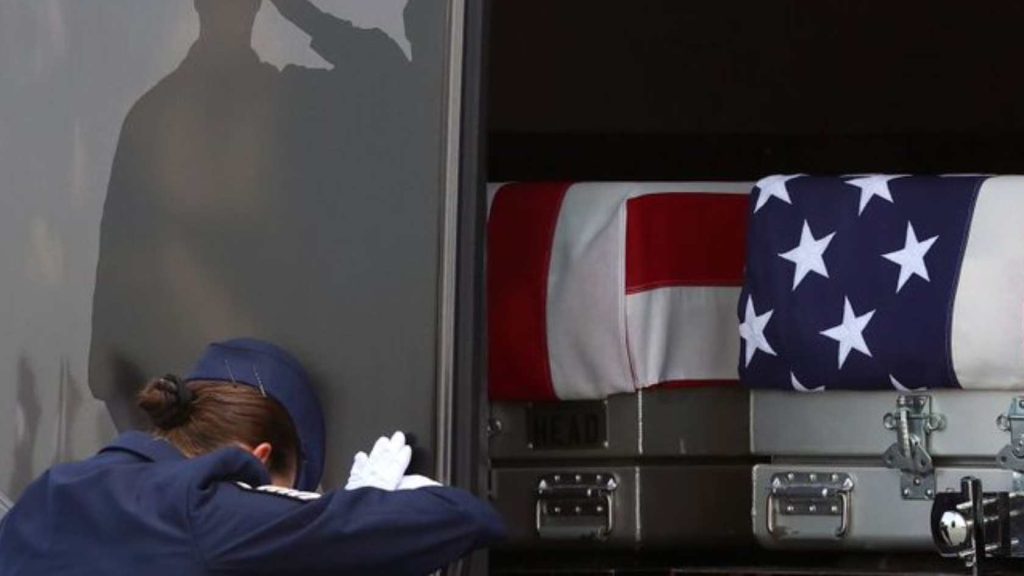
The Pentagon’s revised casualty figures provide a clearer picture of the toll of recent Iranian strikes, but they also demonstrate the difficulty of tracking losses during modern warfare.
More than 600 recorded casualties mark a significant moment in the conflict, yet the full impact may extend beyond official numbers.
Injuries, trauma, displacement, and long-term consequences often continue long after battlefield reports are finalized.
As tensions between Washington and Tehran continue, casualty updates will remain closely watched indicators of the conflict’s direction. For military officials, the priority is accurate reporting. For families, the priority is remembering the people behind the statistics.
If you like what you just read, then subscribe to our newsletter and follow us on social media.


