

This article was originally published on Crafting Your Home. A human contributor also wrote and edited the post.
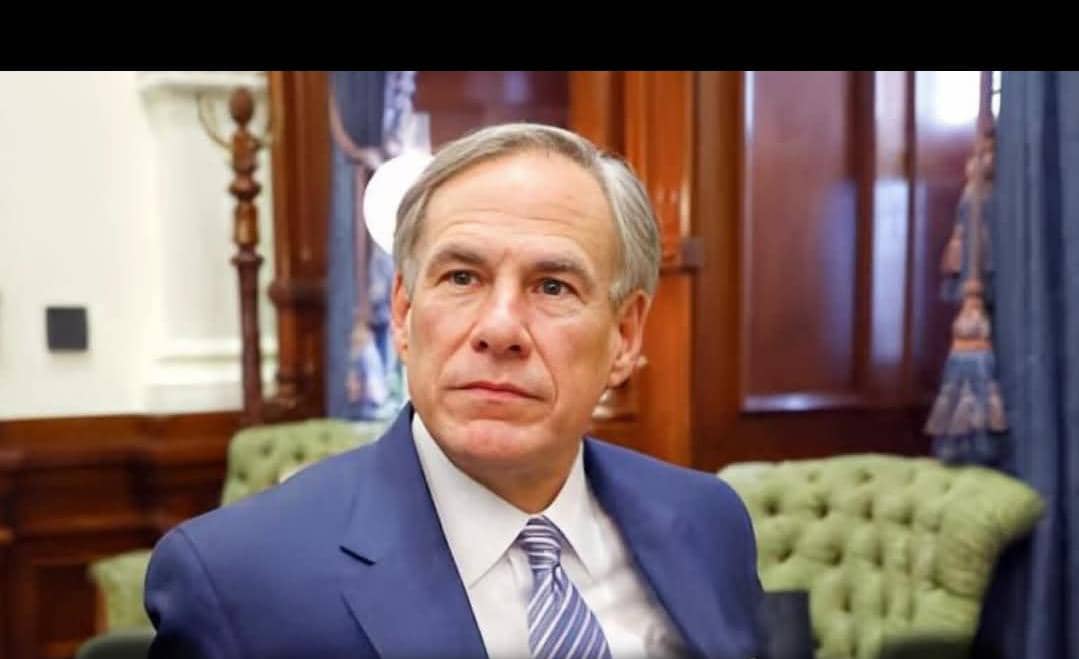
Texas Gov. Greg Abbott is taking a new step in the state’s battle over birthright citizenship, ordering state agencies to investigate what he describes as fraudulent schemes tied to “birth tourism.” The move comes shortly after the U.S. Supreme Court rejected an effort to limit birthright citizenship, keeping the constitutional guarantee in place for children born on U.S. soil.
Abbott’s executive order does not change who qualifies for U.S. citizenship. Instead, it directs Texas agencies to investigate businesses and individuals accused of helping foreign nationals travel to the United States to give birth and obtain citizenship for their children.
The announcement has reignited one of America’s longest-running immigration debates: how the country should protect the integrity of its immigration system while following constitutional rules that have existed for more than a century.
Abbott Targets What Texas Calls Birthright Citizenship Abuse
Abbott’s latest action focuses on what state officials call “birth tourism,” a practice where foreign nationals travel to another country, including the United States, to give birth with the expectation that their child will receive citizenship.
Texas officials say the executive order is aimed at preventing businesses and service providers from promoting or facilitating these arrangements. The order directs agencies, including the Texas Health and Human Services Commission, Department of State Health Services, Texas Medical Board, and Department of Licensing and Regulation, to investigate potential violations.
The order also allows agencies to coordinate with federal authorities and take action against providers found to be involved in illegal activity. Possible consequences could include professional license penalties, loss of state contracts, and other enforcement measures.
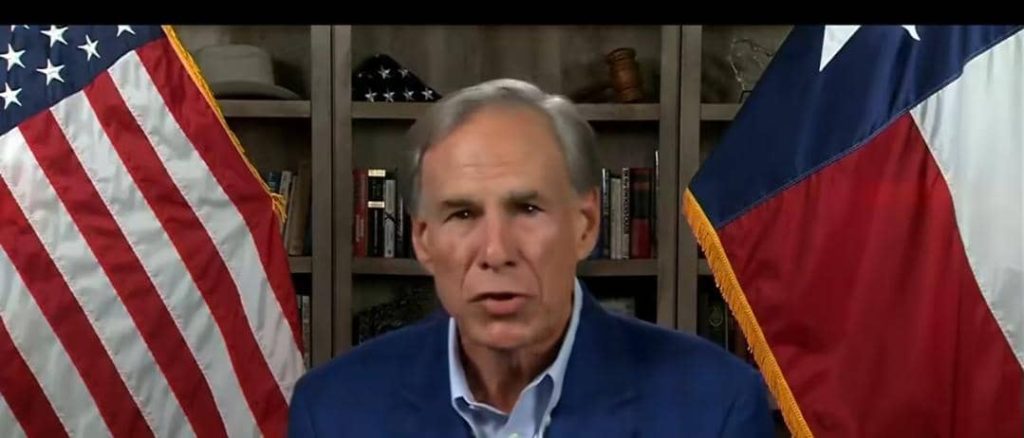
Abbott has repeatedly argued that birthright citizenship has created incentives for illegal immigration. After the Supreme Court ruling, he called the decision a “missed opportunity” and argued that birthright citizenship had become “a powerful magnet for illegal immigration.”
The governor also said, “Congress must clarify that American citizenship means something,” adding that “the American people and the sovereignty of our nation deserve nothing less.”
Supreme Court Decision Sets the Stage for Texas Action
The timing of Abbott’s order is closely connected to the Supreme Court’s recent decision involving birthright citizenship.
The court ruled that children born in the United States remain citizens under the 14th Amendment, rejecting an attempt by former President Donald Trump to restrict automatic citizenship for some U.S.-born children.
Chief Justice John Roberts wrote that the Constitution’s citizenship protections continue to apply to people born on American soil. The decision preserved a policy that has shaped U.S. citizenship law for generations.
The ruling limited what executive action alone could accomplish on the issue, leaving major changes to birthright citizenship dependent on constitutional and legislative processes.
For Abbott, however, the Supreme Court decision did not end the debate. Instead, Texas shifted its focus toward enforcement against alleged fraud and businesses that may be encouraging people to exploit immigration rules.
Supporters of Abbott’s approach say the state has a responsibility to investigate possible abuse. Critics argue that enforcement efforts must carefully distinguish between illegal activity and lawful use of a constitutional right.
Texas Pushes Forward as Immigration Debate Continues
Texas has been one of the most active states in challenging federal immigration policies, and Abbott’s latest order continues with that pattern.
The governor previously supported efforts aimed at discouraging birth tourism, including campaigns criticizing businesses that advertise services connected to giving birth in the United States. Texas Attorney General Ken Paxton has also pursued legal action against companies accused of helping facilitate such arrangements.
The new executive order focuses on investigations rather than changing citizenship rules. Children born in Texas remain covered by the same constitutional protections that apply nationwide unless federal law or the Constitution changes.
The debate highlights the complicated intersection between immigration policy, state authority, and constitutional rights. While some Americans believe stronger enforcement is needed to prevent abuse, others warn that aggressive policies could create confusion for families and businesses operating within existing laws.
As Texas agencies begin reviewing possible cases, the impact of Abbott’s order will likely depend on what investigators uncover and how enforcement actions are carried out.
For now, the fight over birthright citizenship remains far from settled. The Supreme Court has preserved the constitutional guarantee, but states like Texas are continuing to challenge what they view as loopholes surrounding the immigration system.
If you like what you just read, then subscribe to our newsletter and follow us on social media.


